
Calls are growing for urgent reforms to strengthen Ghana’s energy security as escalating tensions in the Middle East continue to disrupt global oil supply chains and trigger volatility in fuel prices.
The Petroleum Hub Development Corporation has warned that Ghana must draw critical lessons from the unfolding crisis by adopting long-term strategies aimed at reducing vulnerability to external shocks.
Deputy Chief Executive Officer for Operations and Technical, Onasis Kobby Rosely, emphasised that the country’s current fuel reserves fall short of international standards and expose the economy to supply disruptions.
“The lesson for Africa, Ghana in particular, is to look at fuel security. OPEC requires a country to hold at least 90 days of stock.”
Onasis Kobby Rosely, Deputy Chief Executive Officer for Operations and Technical of PHDC
Strategic Fuel Reserves Fall Below Global Standards

Mr Rosely noted that Ghana’s fuel reserves are currently far below the recommended threshold, raising concerns about the country’s preparedness in the event of prolonged supply disruptions.
According to him, the standard benchmark for energy security is the ability to maintain at least 90 days of fuel stock. However, Ghana’s current reserve levels appear to be significantly lower.
“When the NPA Chief Executive spoke two weeks ago, the indication was that we have six weeks. Now it is two weeks. If we haven’t restocked, that means we have four weeks.”
Onasis Kobby Rosely, Deputy Chief Executive Officer for Operations and Technical of PHDC
He cautioned that without adequate stockpiles, Ghana remains highly exposed to fluctuations in global oil markets, particularly during periods of geopolitical instability.
“For us to be fuel secure, that means we need a 90-day storage. Now we don’t have it yet,” he added, stressing the urgency of building strategic reserves.
Despite the challenges, Mr Rosely highlighted Ghana’s domestic oil production capacity as a key advantage that could support long-term energy security.
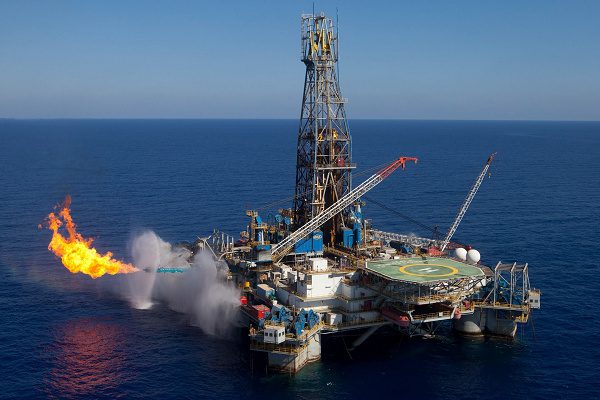
He pointed out that the country currently produces about 254,000 barrels of crude oil per day from major offshore fields, including the Jubilee Field, TEN Field, and Sankofa Field.
In addition to production, Ghana has existing refining capacity that could be expanded to process more crude locally. The Tema Oil Refinery has an optimal capacity of 45,000 barrels per day, while the Sentuo Refinery produces about 36,000 barrels daily, with potential to increase output.
Other modular refineries, including Akwaaba and Platon, contribute an additional 13,000 barrels per day.
Mr Rosely noted that increasing domestic refining capacity and utilising locally produced crude could significantly reduce dependence on imported fuel.
Petroleum Hub Project Gains Urgency
The ongoing Middle East crisis has also underscored the importance of accelerating Ghana’s petroleum hub initiative.
“What is happening in the Middle East gives rise to accelerated attention to the Petroleum Hub project.”
Onasis Kobby Rosely, Deputy Chief Executive Officer for Operations and Technical of PHDC
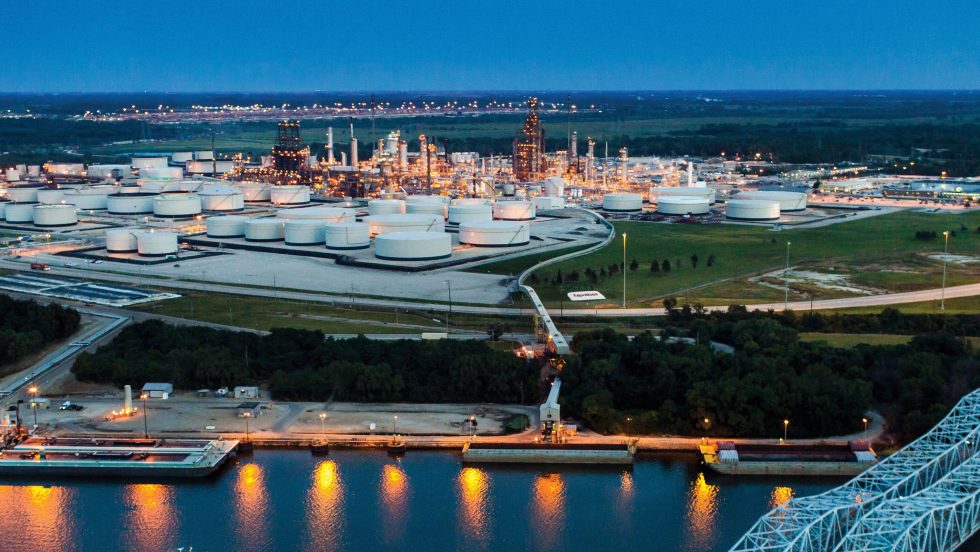
The petroleum hub is envisioned as a major infrastructure project that will enhance refining, storage, and distribution capacity, positioning Ghana as a regional energy hub.
By expanding local refining and storage capabilities, the project could help stabilise domestic fuel prices while generating revenue from exports to neighbouring countries.
Mr Rosely further highlighted the potential economic benefits of meeting regional fuel demand through increased domestic production and refining.
He noted that Ghana consumes nearly five million metric tons of fuel annually, while countries in the Sahel region, including Burkina Faso, Mali, and Benin, collectively consume about four million metric tons. “That amounts to like nine million metric tons, almost 10 million metric tons,” he said.
According to him, developing the capacity to refine and supply this volume could create significant economic opportunities for Ghana, particularly at a time when global crude prices are rising.
“If you have the capacity to refine such an amount… you are selling to these Sahels at the same rate and earning some revenues.”
Onasis Kobby Rosely, Deputy Chief Executive Officer for Operations and Technical of PHDC
Rising Global Oil Prices Impact Local Market
The urgency of strengthening Ghana energy security is being amplified by rising global oil prices driven by the Middle East conflict.
The disruption to supply chains has already led to increases in international crude prices, with direct implications for fuel-importing countries like Ghana.
This has been reflected in recent upward adjustments in local fuel prices during the second pricing window of March, with analysts warning that further increases could occur if the geopolitical situation persists.
Industry observers say that without adequate buffers such as strategic reserves and strong domestic refining capacity, Ghana will continue to feel the impact of global market volatility.
As global uncertainties persist, experts say Ghana must adopt a long-term approach to energy security that combines strategic stockpiling, expanded refining capacity, and investment in infrastructure.
Mr Rosely’s remarks reinforce the growing consensus that energy security is no longer just a sectoral issue but a national priority with direct implications for economic stability and growth.
The message from the Petroleum Hub Development Corporation is clear: building resilience in the energy sector will require decisive action, sustained investment, and a commitment to reducing dependence on external supply shocks.
READ ALSO: President Mahama Leads Ghana in Landmark UN Reparations Mission