The Ministry of Trade, Agribusiness and Industry (MoTAI) has convened a strategic stakeholder assembly to deliberate on the Private Sector and Innovation Promotion (PSinno) Programme, an initiative designed to catalyze Ghana’s industrial growth through technological advancement and localized economic development.
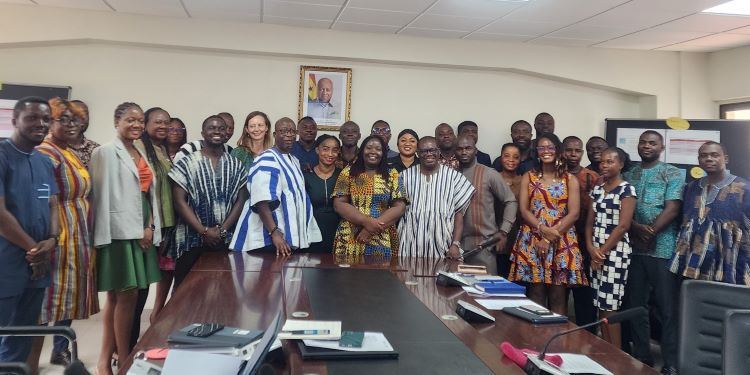
The meeting, held at the Ministry’s headquarters and chaired by Ms. Cynthia Djokoto, the Director of Micro, Small and Medium Enterprises (MSME) at MoTAI, served as the formal introductory platform for the programme, which is specifically engineered to bridge the gap between innovation and market-ready industrial application.
“MoTAI convened the high-level stakeholder meeting to introduce and deliberate on the PSinno Programme, aimed at strengthening Ghana’s economic development through innovation and strategic collaboration. The session brought together a diverse coalition of public and private sector leaders to align the programme’s technical frameworks with Ghana’s national economic priorities”
Ministry of Trade, Agribusiness and Industry
The PSinno Programme represents a significant diplomatic and economic collaboration, commissioned by the German Federal Ministry for Economic Cooperation and Development (BMZ) and implemented by the Deutsche Gesellschaft für Internationale Zusammenarbeit (GIZ) GmbH.
As the primary implementing partner, MoTAI is leveraging this partnership to inject modern innovation into the country’s most vital sectors. The meeting was not merely a ceremonial launch but a working session aimed at identifying the specific innovation challenges that prevent Ghanaian MSMEs from competing on the global stage.
To ensure that the PSinno Programme is grounded in the practical realities of the Ghanaian marketplace, the session utilized an “interactive marketplace board methodology.”
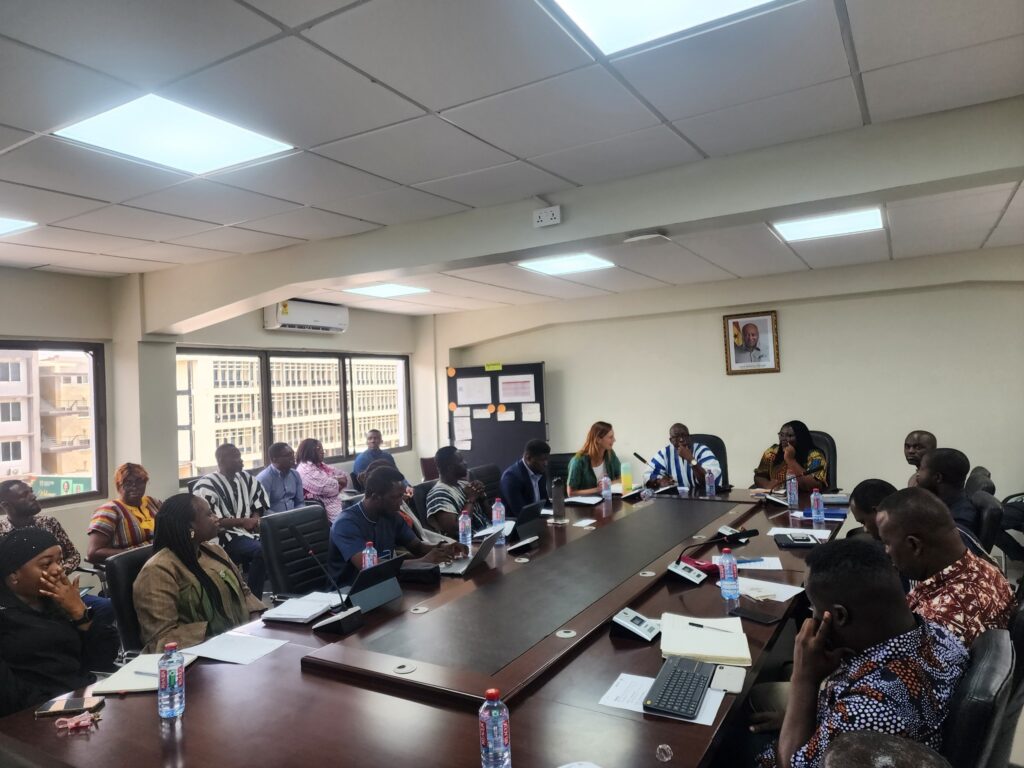
Participants were segmented into three thematic groups: Business Environment, Agribusiness, and the Digital Economy. This structure allowed for a granular analysis of each sector, with stakeholders identifying the specific regulatory, technical, and financial hurdles that stifle innovation.
In the Agribusiness group, the discussion centered on the “value-addition gap,” as stakeholders noted that while Ghana remains a powerhouse in raw material production, the innovation required to transition into high-value food processing is often hampered by a lack of specialized equipment and technical know-how.
The Digital Economy board, meanwhile, focused on the “digitalization of trade,” exploring how blockchain and AI can be used to improve supply chain transparency and lower the cost of doing business.
The Business Environment board addressed the “ease of doing business,” metrics, highlighting the need for a more streamlined regulatory framework that encourages, rather than penalizes, innovative startups.
Northern Ghana and Employment
MoTAI observed that a defining feature of the PSinno Programme is its deliberate geographic and social focus. Mr. John Duti, the Team Leader for “Invest for Jobs” at GIZ, revealed that the programme is specifically designed to promote “employment-driven economic development.”
While the programme has a national mandate, it maintains a strong focus on Northern Ghana, a region identified as having immense untapped potential in both agribusiness and digital services. The PSinno Programme aims to create a more inclusive economic growth model that reduces the developmental divide between the north and south by targeting these specific regions.
The emphasis on Northern Ghana is a strategic move to leverage the region’s vast arable land and growing youth population. The programme seeks to introduce innovation-led agribusiness that can withstand climate shifts and provide stable, year-round income for local farmers.
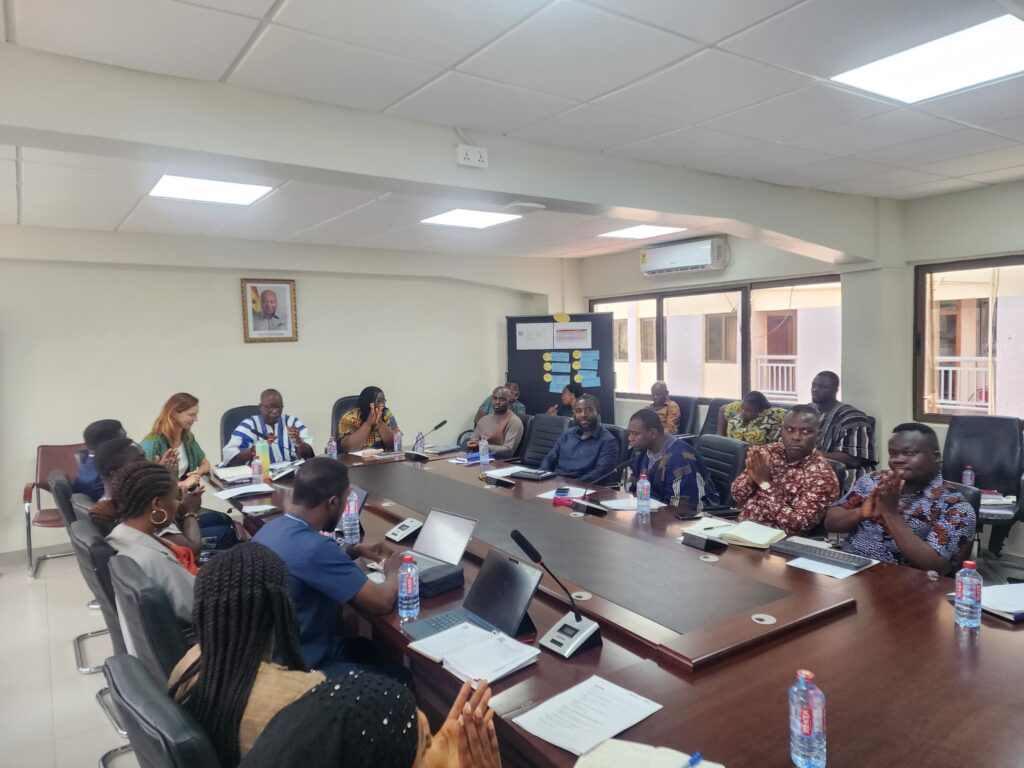
Mr. Duti emphasized that the ultimate metric of success for the PSinno Programme is not just the number of innovations developed, but the number of sustainable jobs created. In an era where youth unemployment remains a critical challenge, the “Invest for Jobs,” component ensures that every innovation supported by the programme has a direct link to the labor market.
The role of Ms. Cynthia Djokoto and the MSME Directorate is to ensure that the PSinno Programme does not operate in a vacuum. During the meeting, directors from across MoTAI and various Ministries, Departments, and Agencies (MDAs) provided updates on ongoing initiatives to ensure there is no duplication of effort.
“This alignment is critical for the sustainability of the programme,” MoTAI noted, adding that integrating the PSinno framework into existing government programs like the 24-Hour Economy and the Big Push Agenda, will provide a unified front for private sector promotion.
The session also highlighted the need for digital literacy among MSME owners, ensuring they can utilize the tools provided by the PSinno Programme to access international markets.
The GIZ team, led by Programme Manager Ms. Arlett Stankovic, expressed their commitment to providing the technical expertise needed to bridge this digital divide, as the partnership is built on a “knowledge-sharing” model where German industrial expertise is adapted to the specific needs of the Ghanaian entrepreneur.
During the deliberations, stakeholders from the private sector – including representatives from the Association of Ghana Industries (AGI) and the Ghana Chamber of Commerce – praised the “bottom-up” approach of the meeting.

Unlike previous developmental programs that were designed in isolation, the PSinno Programme’s “marketplace” format ensures that the voices of those on the front lines of the economy are heard. This collaborative spirit is expected to result in a programme that is both practical and highly effective in its delivery.
READ ALSO: Mahama Moves Landmark Resolution, Urges UN to Declare Slavery Gravest Crime