
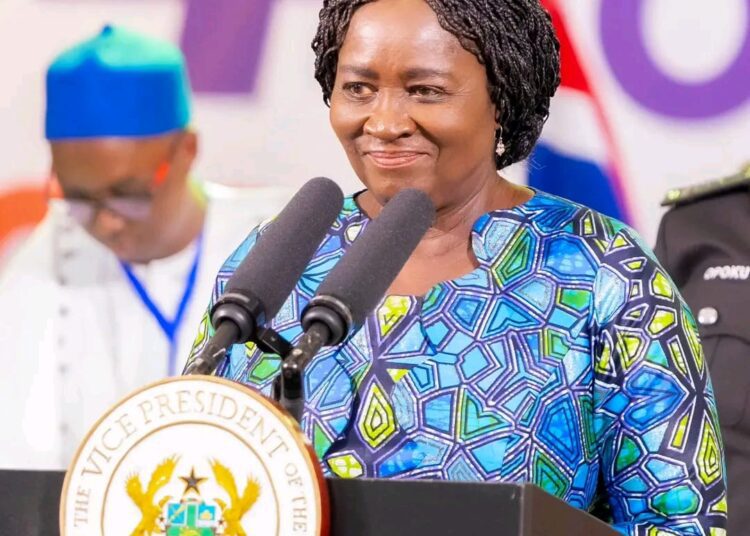
Vice President Professor Jane Naana Opoku-Agyemang has opened the 74th Annual Council Meeting of the West African Examinations Council in Accra, calling for renewed commitment to safeguarding the integrity of examinations across West Africa.
The high level meeting brings together education officials and policymakers from member countries including Ghana, Nigeria, Sierra Leone, Liberia, and The Gambia. As WAEC’s highest decision making body, the council meeting provides a platform to review policies, assess performance, and shape the future of education in the sub region.
In her address, the Vice President praised WAEC for its long standing contribution to education and human capital development. She described the Council as one of the most effective regional institutions, noting its role in maintaining academic standards and promoting uniform assessment systems across member states.
For decades, WAEC has overseen major examinations such as the West African Senior School Certificate Examination, which serves as a key requirement for tertiary education across the region. Its work, she said, has helped build trust in academic qualifications and supported the mobility of students within West Africa.
“WAEC remains one of the most productive examples of regional cooperation, playing a critical role in shaping the human capital of participating countries and maintaining high educational standards”.
Vice President Professor Jane Naana Opoku-Agyemang
Renewed Call to Tackle Examination Malpractice
A central theme of the Vice President’s address was the need for collective action against examination malpractice, which continues to threaten the credibility of assessment systems.
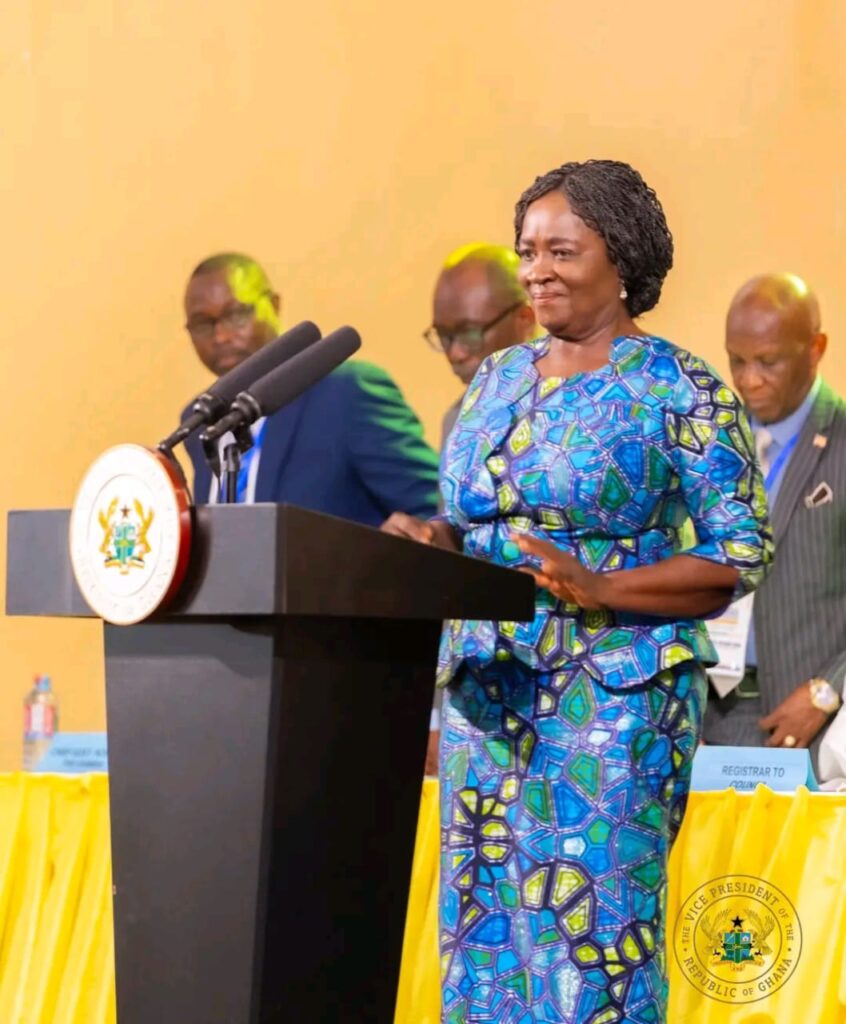
She urged governments, school authorities, parents, and communities to work together to enforce ethical standards and protect the integrity of examinations. According to her, maintaining fairness in assessment is essential for building confidence in education systems and ensuring equal opportunity for all students.
Her remarks come against the backdrop of persistent concerns about malpractice. In 2025, thousands of candidates across the region had their results cancelled or withheld due to various infractions, highlighting the scale of the problem.
She emphasised that addressing the issue requires not only stricter enforcement but also a shared sense of responsibility among all stakeholders involved in the education process.
The opening ceremony also celebrated academic achievement, with the Vice President presenting awards to top performers in the 2025 West African Senior School Certificate Examination.
The top three awardees were Ghanaian female students, a development she described as a strong indication of the country’s academic potential and the growing role of young women in leadership and national development.
The awards form part of WAEC’s tradition of recognising excellence and encouraging students to strive for high performance. The Vice President encouraged students across the region to draw inspiration from the achievements of the award winners and remain committed to their academic goals.
Strengthening Education Systems
Beyond addressing malpractice, the Vice President reaffirmed Ghana’s commitment to strengthening education systems and maintaining high standards. She highlighted the importance of continuous reforms and innovation in ensuring that education remains relevant in a changing global environment.
Recent initiatives by WAEC, including the introduction of digital certificate platforms and improvements in examination processes, were noted as steps toward modernising assessment systems and improving service delivery.
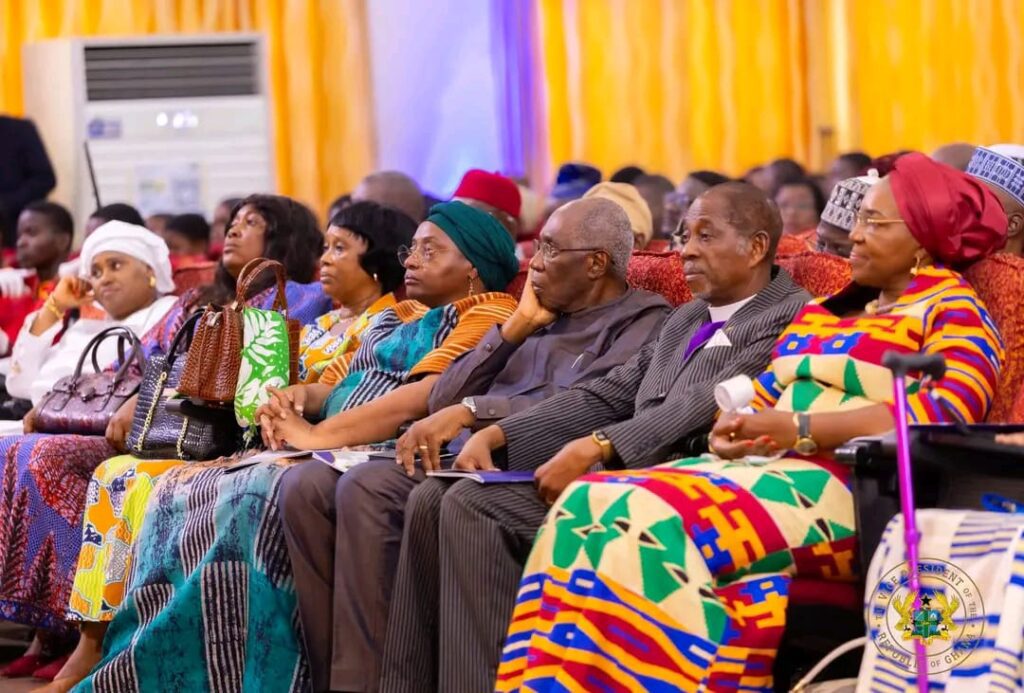
She stressed that education remains a cornerstone of national development and regional integration, and that credible examination systems are essential for producing skilled and competent graduates.
Ghana’s hosting of the council meeting underscores its commitment to regional collaboration in education. The gathering is expected to review WAEC’s operations, evaluate policy implementation, and explore strategies to address emerging challenges.
Discussions are likely to focus on improving transparency, enhancing the reliability of assessment systems, and strengthening institutional frameworks across member countries.
The outcomes of the meeting are expected to influence education policy and examination practices throughout West Africa, reinforcing WAEC’s central role in shaping the region’s educational landscape.
The Vice President’s call for stronger examination integrity reflects broader concerns about maintaining trust in education systems at a time of increasing demand and evolving challenges.
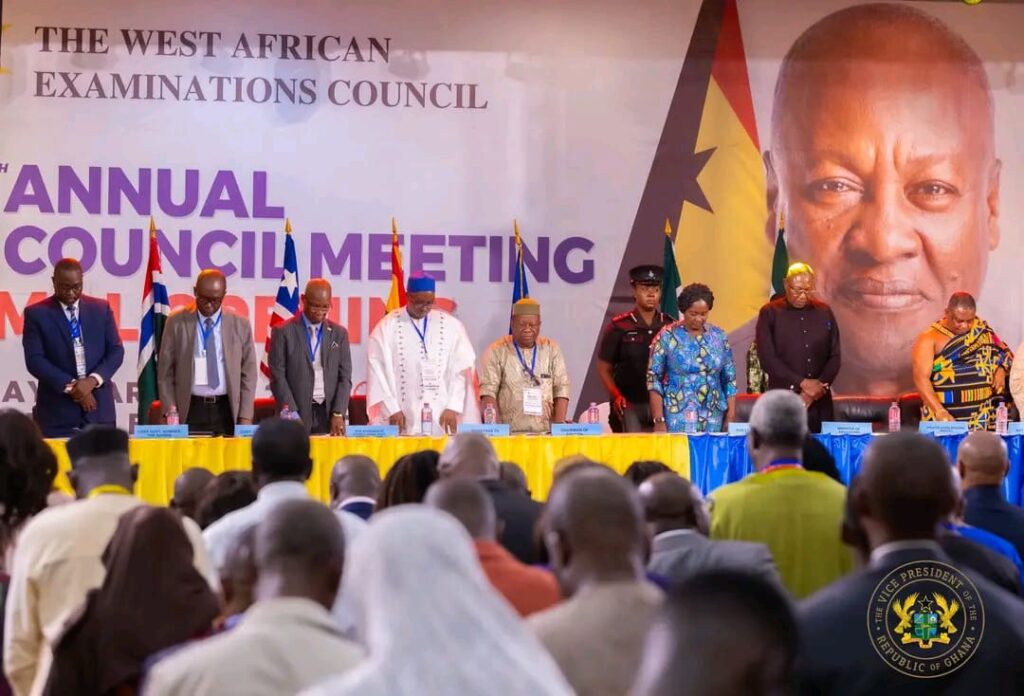
As stakeholders deliberate on reforms and policy direction, the emphasis remains on building systems that are fair, transparent, and resilient. For Ghana and its regional partners, the meeting represents an opportunity to reinforce shared values and strengthen cooperation in advancing quality education.
The continued relevance of WAEC as a regional institution, coupled with renewed commitments from member states, is expected to support efforts to improve outcomes for students and ensure that education remains a driver of development across West Africa.