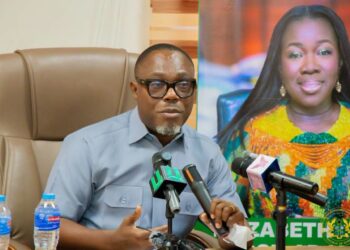
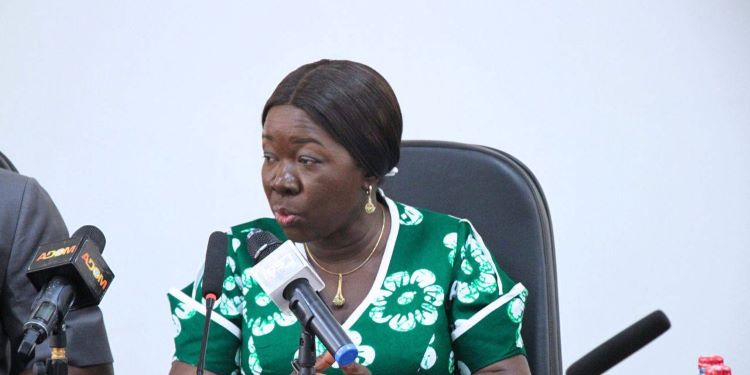
The Ministry of Trade, Agribusiness and Industry (MoTAI) has officially announced that Hon. Elizabeth Ofosu-Adjare is leading Ghana’s high-level delegation to the 14th Ministerial Conference (MC14) of the World Trade Organization (WTO).
The conference, which commences today, Thursday, March 26, 2026, in Yaoundé, Cameroon, represents a landmark moment as only the second WTO Ministerial to be hosted on the African continent.
Against a backdrop of intensifying global trade tensions and economic fragmentation, the Ghanaian delegation is arriving with a precise, development-oriented agenda designed to protect domestic food security, accelerate industrialization, and secure more equitable terms for the nation’s expanding agribusiness and manufacturing sectors.
“MC14 in Yaoundé is a historic opportunity for Africa to shape the future of global trade. This government’s vision of a 24-Hour Economy is anchored on producing, processing, exporting, and consuming what we make, while strengthening Ghana’s global trade influence”
Ministry of Trade, Agribusiness and Industry
For the Government of Ghana, MC14 is not merely a diplomatic exercise but a critical theater for defending the policy space necessary to execute national economic transformations. As a dynamic West African economy, Ghana’s strategic interests are anchored in ensuring that the multilateral trading system remains rules-based and fair, particularly for developing nations that face unfair competition from heavily subsidized global markets.
The delegation includes a multi-sectoral team of experts from MoTAI, the Ministry of Finance, the Ghana Permanent Mission in Geneva, the Parliamentary Select Committee on Trade, and key technical agencies such as the Ghana Standards Authority (GSA) and the Ghana Export Promotion Authority (GEPA).
A primary pillar of Ghana’s agenda in Yaoundé is the pursuit of a permanent solution on Public Stockholding (PSH) for food security. In an era of volatile global commodity prices, the ability of the government to purchase and stockpile essential grains from smallholder farmers at administered prices is vital for domestic price stability.

Ghana is advocating for WTO rules that explicitly protect these programs from legal challenges, ensuring that the nation can maintain its food reserves without fear of trade litigation. This position is central to the Ministry’s broader goal of supporting rural livelihoods and ensuring that the “Feed Ghana” initiatives are shielded from external market shocks.
Linked to this is the urgent demand for the elimination of trade-distorting agricultural subsidies in developed economies, as Ghanaian agribusinesses and export sectors often find themselves at a disadvantage when competing against foreign products that benefit from massive government payouts.
The delegation will join the African Group in demanding a level playing field, arguing that the removal of these distortions is essential for the growth of local industries. The Ministry aims to improve the competitiveness of Ghanaian cocoa, fruits, and processed vegetables in the global marketplace through correcting these imbalances.
Industrialization and the 24-Hour Economy
MoTAI further reiterated that the 24-Hour Economy remains the cornerstone of Ghana’s industrial strategy, and Hon. Elizabeth Ofosu-Adjare is tasked with ensuring that WTO reforms do not stifle this vision.
Ghana is seeking to preserve the Special and Differential Treatment (S&DT) provisions that allow developing countries the flexibility to implement industrial policies, provide support for MSMEs, and modernize their agricultural bases.
The Minister has made it clear that any WTO reform must respect the right of sovereign nations to diversify their economies and move up the global value chain through sustainable manufacturing.
“Ghana is attending not merely to negotiate, but to ensure that the outcomes deliver real, transformative gains for our farmers, industries, MSMEs, youth, and the entire population”
Ministry of Trade, Agribusiness and Industry
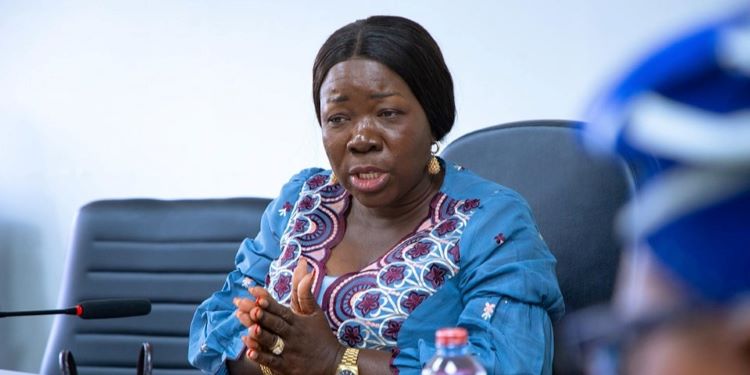
This focus on policy space is critical for the development of Agro-Industrial Parks and the expansion of the digital economy. The Minister noted prior to deployment that for Ghana to “consume what we make,” it must have the ability to protect emerging industries from dumping and unfair trade practices.
The Yaoundé negotiations provide an opportunity to secure improved market access for Ghanaian manufactured goods and services, ensuring that the youth and the domestic workforce benefit directly from international trade agreements.
MoTAI also noted that the negotiations surrounding fisheries subsidies are of significant importance to Ghana’s coastal communities. The delegation will be pushing for an agreement that prohibits subsidies contributing to overcapacity and overfishing while ensuring that the needs of small-scale, artisanal fishers are protected.
For Ghana, any global fisheries deal must account for the “realities of coastal communities,” and support the sustainable management of marine resources, which are essential for both nutrition and local employment.
Furthermore, the Minister is championing digital trade facilitation as a means of integrating Ghanaian MSMEs into global value chains. By bridging the digital divide and reducing the bureaucratic “red tape,” associated with cross-border trade, the government aims to lower the cost of doing business for small entrepreneurs.
The involvement of Trademark Africa in the delegation underscores the emphasis on modernizing customs procedures and leveraging technology to make Ghanaian exports more efficient.
Strategic Engagements
Beyond the plenary sessions, Hon. Elizabeth Ofosu-Adjare is scheduled to engage in a series of high-stakes bilateral meetings on the sidelines of the conference. These discussions with trade ministers from the Bahamas, Benin, Burkina Faso, China, Côte d’Ivoire, India, Mali, and Turkey are designed to explore new market access opportunities and deepen investment cooperation.
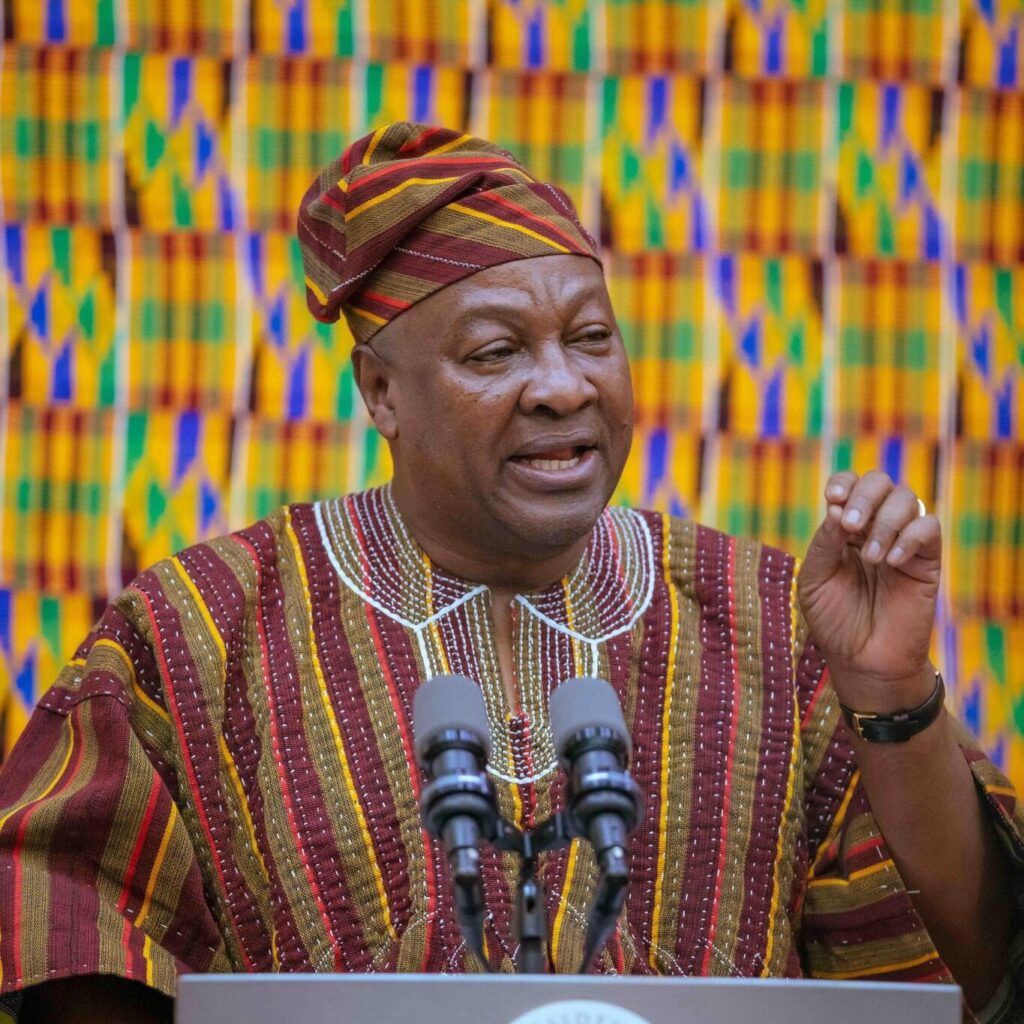
These diplomatic tracks are essential for attracting quality investment into Ghana’s manufacturing and digital sectors, moving beyond the multilateral stalemate often found in larger WTO sessions.
The Minister will also participate in the ECOWAS and ACP (African, Caribbean, and Pacific) ministerial meetings to harmonize regional positions. In a fragmenting global landscape, the unity of the African Group is Ghana’s most powerful leverage.
According to the Ministry, aligning with neighbors like Côte d’Ivoire and Benin, strengthen Ghana’s voice in demanding that the multilateral trading system delivers “tangible benefits” for the continent – especially as these regional blocs are working to ensure that the Yaoundé outcomes prioritize the African Continental Free Trade Area (AfCFTA) objectives.
The broader discussion on WTO Reform is perhaps the most complex challenge at MC14. Ghana remains a steadfast supporter of the multilateral system but insists that the system must evolve to meet the needs of the 21st century.
This includes addressing the “development dimension of trade and ensuring that the dispute settlement mechanism is restored to full functionality.” For the Ministry of Trade, a functioning WTO is the best defense against a “might-is-right” global trade environment where smaller economies are often marginalized.
The Minister’s agenda also touches on the growing importance of e-commerce and the digital economy, with Ghana advocating for rules that facilitate digital trade while allowing developing nations to build their own domestic digital capacities.
As the 14th WTO Ministerial Conference unfolds in Yaoundé, the MoTAI is positioning Ghana as a leader in the fight for a fairer global trade regime. The leadership of Hon. Elizabeth Ofosu-Adjare provides a clear direction: trade must serve as a catalyst for industrialization, not a barrier to it.

From defending the rights of smallholder farmers to championing the 24-Hour Economy, the Ghanaian delegation is focused on delivering “real, transformative gains,” and the outcomes of MC14 will have lasting implications for Ghana’s economic trajectory.
READ ALSO: France Revokes Ramaphosa’s G7 Summit Invitation Amid U.S. Pressure