United Kingdom has strengthened support for people living with musculoskeletal conditions (MSK) following the success of a targeted National Health Service (NHS) pilot programme that has significantly reduced waiting times and improved patient outcomes.
The initiative, backed by £3.5 million from the Department for Work and Pensions, enabled around 7,500 people with back, joint and muscle issues in areas with the longest waiting times to be assessed more quickly.
The programme, delivered through the “Getting it Right First Time (GIRFT)” initiative, focused on helping people with MSK conditions move off community waiting lists and return to employment sooner was implemented across 17 NHS areas between December 2024 and March 2025, with results showing a 20 percent reduction in patients waiting more than 18 weeks for treatment during that period.
The pilot programme forms part of wider government efforts to tackle NHS backlogs and address economic inactivity linked to long-term sickness.
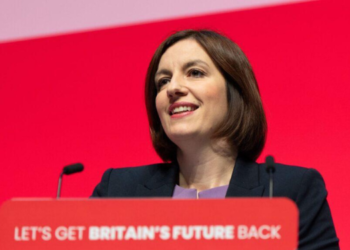
According to the Minister for Employment, Dame Diana Johnson, no one should feel locked out of work due to health issues, adding,“ We invested in this support to help people get well and get working.”

“The results are clear: musculoskeletal patients are getting the help they need and innovation supports them to get one step closer to work and gets people off waiting lists. Getting Britain working remains a key priority, and this support is one tangible way we are doing it.”
Diana Johnson
The pilot programme introduced new approaches to care, including digital tools that allow patients to manage their conditions remotely. It also trialed one-day clinics bringing together health specialists, mental health support and physical activity services, enabling patients to access multiple forms of care in a single visit.
Per the report, this initiative comes as the government seeks to address rising levels of economic inactivity, with around 2.8 million people currently signed off work due to long-term sickness. More than half a million of these cases are linked to musculoskeletal conditions, making MSK care a key focus area for intervention.
The programme also aligns with thee broader health reforms, including the government’s 10 Year Health Plan and its Neighbourhood Health Service vision. These reforms aim to expand community-based care and provide patients with access to multiple services in a single location.
Recently, the government announced that 27 Neighbourhood Health Centres will be open by 2027, with the first 50 centres part of a wider plan for 250 backed by £200 million in investment.
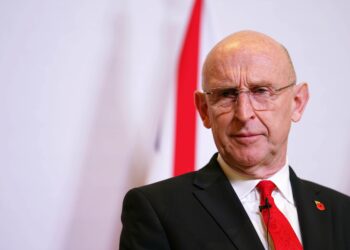
Minister Stephen Kinnock explained that the scheme demonstrates a new approach to reducing NHS waiting lists, modernising the NHS and getting people healthy and back into work.

“Offering multiple services under one roof, with tailored care for that specific person, is part of our mission to build a true Neighbourhood Health Service. With more care in the community, everyone wins. Patients get the best care, and the NHS gets people back to work, boosting economic growth.”
Stephen Kinnock
Reports further indicate that the overall NHS waiting list is the lowest it’s been for three years, however, the government is doubling down with record investment and modern, innovative approaches to care ensuring people get seen more quickly as we rebuild the NHS.
NHS Pilot Cuts Delays, Expands Access to Integrated Care

The pilot programme introduced a more integrated approach to treating musculoskeletal conditions, bringing together different services to improve efficiency and patient outcomes.
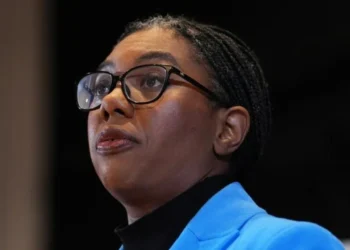
Professor Tim Briggs, National Director for Clinical Improvement and Elective Recovery at NHS England, stated that the programme delivered both reduced waiting times and new ways of working.
“Back pain, arthritis and other musculoskeletal conditions are key causes of sickness absence so it’s great news for thousands of patients that these NHS pilots cut waiting lists by 20 per cent, helping many back into employment.”
Tim Briggs
Professor Briggs further indicated that “it is especially encouraging that the NHS England Getting It Right First Time initiative led to some innovative ways of working among the participating NHS teams, ” allowing patients to “receive help from multiple services in one visit including mental health, employment support and debt management advice,” he added.
In addition, digital tools were also introduced to support remote management of conditions, allowing patients to engage with care without always needing in-person appointments.
Currently, the pilot is continuing under a second phase, with Cohort 2 being implemented across six Integrated Care Boards, supported by an additional £2.2 million in funding.
READ ALSO: Rubio Says Iran War To End In Weeks