
Asante Gold Corporation has reported a staggering net loss of US$345.44 million for the eleven-month fiscal period ending December 31, 2025, marking a severe downturn from the US$62.18 million deficit recorded in the previous year.
This financial erosion occurred despite a surge in revenue to US$482.59 million, up from US$458.88 million, as the company capitalized on a record-breaking gold bull market where realized prices jumped to US$3,372 per ounce.
However, the windfall from pricing was insufficient to offset a 25% collapse in sales volume, with the company moving only 143,138 ounces compared to the 190,985 ounces sold in the prior annual cycle.
“These conditions indicate the existence of a material uncertainty that may cast significant doubt on the Company’s ability to continue as a going concern.”
Asante Gold Corporation
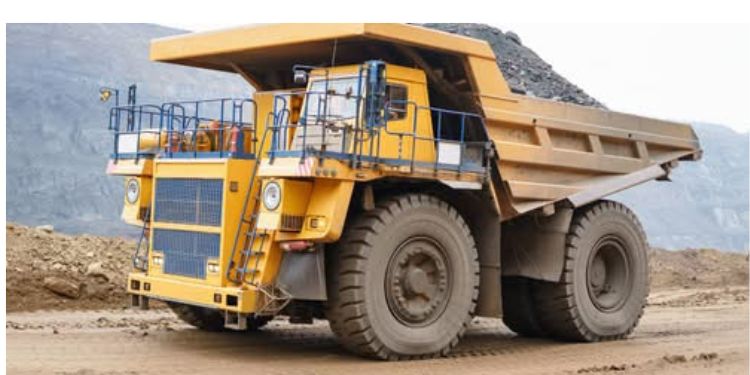
The deepening fiscal crisis is underscored by a sharp spike in operational costs and significant production hurdles at the company’s flagship Ghanaian assets, Bibiani and Chirano.
Total gold equivalent production plummeted to 146,571 ounces from 189,600 ounces, a decline attributed to lower-grade plant feed and technical failures, such as the intertank screen challenges at Chirano’s carbon-in-leach plant.
These inefficiencies sent consolidated all-in sustaining costs (AISC) skyrocketing to US$3,902 perounce nearly double the previous year’s US$2,168 with the Bibiani mine alone recording a prohibitive AISC of US$6,036 per ounce.
Consequently, basic and diluted loss per share ballooned to US$0.55, as the company grappled with a working capital deficiency of US$229.33 million and a mounting accumulated deficit of US$655.37 million.
Operational Reset and the Green Mining Imperative
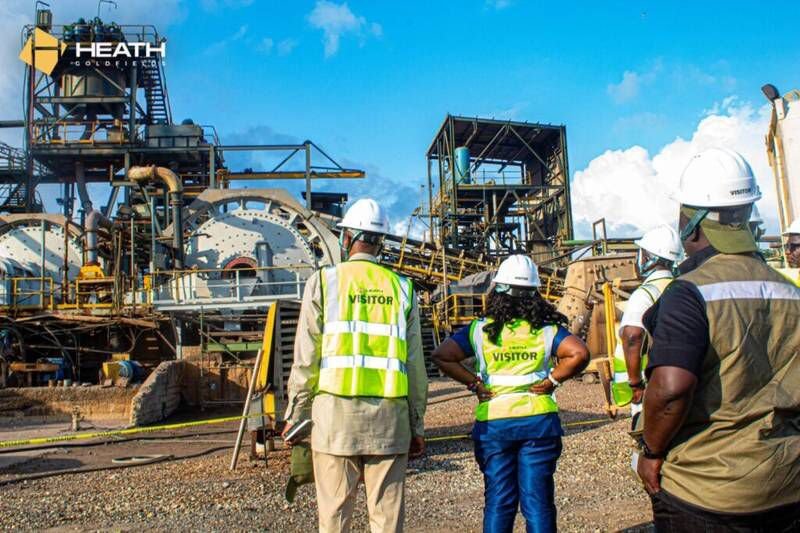
In response to the “material uncertainty” flagged by auditors, Asante Gold has moved to stabilize its liquidity and overhaul its operational strategy.
Following the appointment of Campbell Baird as Chief Operating Officer on March 11, 2026, the firm initiated a comprehensive review aimed at “resetting the operating plan to one that is executable and sustainable.”
From an energy and green transition perspective, this pivot is critical; the transition from processing oxide ore to high-energy-consumption sulphide treatment requires a level of “operational reliability and capital discipline” that the company has yet to master.
The successful integration of the newly commissioned sulphide treatment plant at Bibiani is now a linchpin for recovery, as the company seeks to move away from the high-emission inefficiencies of processing low-grade stockpiles.
National Economic Strain and Fiscal Shifts

The scale of Asante’s losses extends far beyond its balance sheet, impacting Ghana’s broader economic landscape and its role in the global mineral supply chain.
As a key player in the nation’s industrial gold sector, Asante’s struggle to maintain production targets initially aimed at 500,000 ounces by 2028 threatens the “export revenues and industrial gold output” upon which the Ghanaian government relies.
This is particularly sensitive given that the state holds a 10% stake in both the Bibiani and Chirano mines.
Furthermore, the loss-making environment coincides with aggressive fiscal changes, including a new sliding-scale royalty ranging from 5% to 12% and a fluctuating Growth and Sustainability Levy, which recently sat at 3% before being revised back to 1% in March 2026.
These policy shifts aim to capture more value from high gold prices but risk further straining the liquidity of struggling operators.
Liquidity Lifelines and Future Outlook

Despite the grim year-end figures, Asante Gold has secured several “liquidity lifelines” to bridge its capital gap in early 2026.
These include a C$179.4 million private placement and a strategic US$100 million advance deposit from Fujairah for gold deliveries scheduled for March 2026.
While these moves provide breathing room, the company’s future hinges on its ability to “drive operational excellence” and manage the 200-400% increase in royalty exposure triggered by high spot prices.
For a company navigating the delicate balance of a green transition within a volatile extractive industry, the path to 2027 remains a high-stakes race between operational re-engineering and the crushing weight of its existing debt and “accumulated deficit.”
READ ALSO: Mahama Calls for Emergency Cabinet Meeting to Cushion Rising Fuel Prices