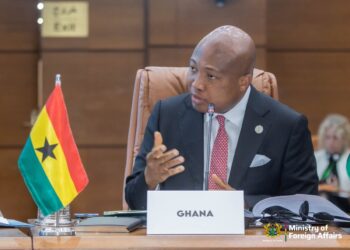

The Chairman of the Ghana Airports Company Limited, James Agalga, has defended the introduction of the Airport Infrastructure Development Levy, describing it as a necessary measure to address congestion and ageing infrastructure at Kotoka International Airport.
Speaking in an interview, Hon. Agalga explained that the levy, which took effect on April 1, 2026, is designed to fund critical upgrades and prevent a decline in the airport’s operational standards. He warned that without timely intervention, Ghana risks losing its position as one of the leading aviation hubs in the sub region.
“Look, there was a day I nearly missed my flight because of the congestion. I had to disembark and run with my baggage. If I had stayed in the car, I would have missed my flight”.
MP for Builsa North and Chairman of the Ghana Airports Company Limited (GACL), Hon. James Agalga
Hon. Agalga noted that several key components of the airport are overdue for refurbishment. These include the runway, apron, and sewage treatment systems, which have been in use for decades and require immediate attention to meet international aviation standards.
“If we don’t do the runway overlay, the status of Accra International Airport will be downgraded. Today, we are among the very best in the sub region,” he stated, adding that the airport’s strategic location continues to attract large aircraft operators.

He stressed that maintaining this status will require sustained investment in infrastructure and maintenance. Without such upgrades, the country risks falling behind competing aviation hubs in West Africa.
Levy structure and funding objectives
The Airport Infrastructure Development Levy applies to both domestic and international travellers. Under the new structure, domestic passengers pay GH₵100 per ticket, while regional travellers within West Africa are charged $30 for one way trips and $70 for return journeys.
For intercontinental travel, passengers pay $50 for one way tickets and $100 for return fares. According to authorities, the levy is expected to generate approximately $800 million over a ten year period. These funds will be directed toward a range of infrastructure projects aimed at modernising Ghana’s aviation sector.
Among the key projects is the construction of a connecting concourse between Terminals 2 and 3 at Kotoka International Airport, intended to improve passenger flow and operational efficiency. Plans also include the development of a multi storey car park with a capacity of 2,000 vehicles to ease congestion.
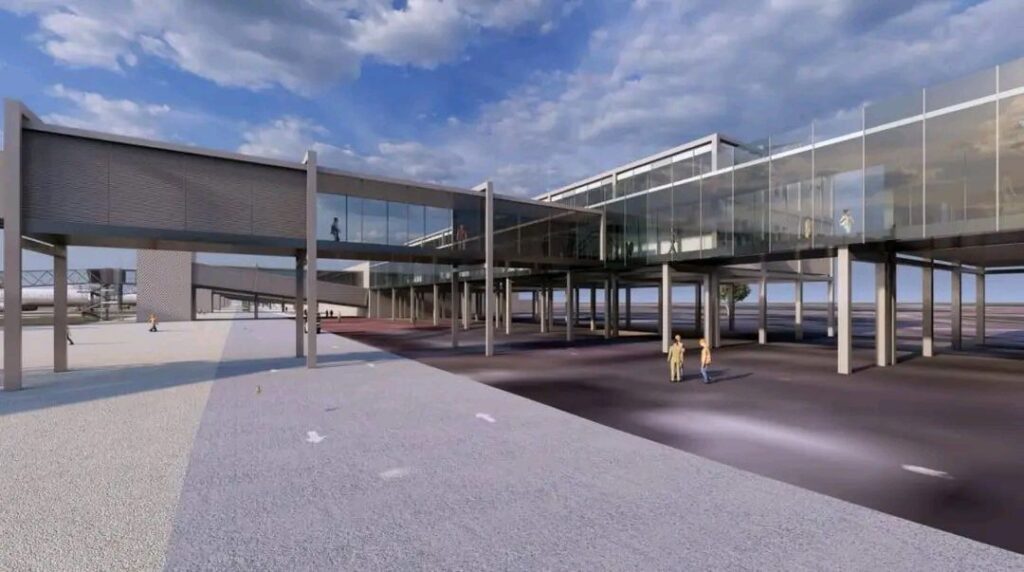
Additional projects include upgrading the airport’s ageing sewage treatment system, undertaking runway overlays, and expanding the northern apron to accommodate increased aircraft traffic. The levy will also support improvements at regional airports such as Sunyani and Wa, as well as the construction of a new airport in Bolgatanga.
Hon. Agalga indicated that many of these projects have been delayed over the years due to heavy subsidisation of airport operations, which limited the availability of funds for capital investment.
Rising ticket prices spark industry concerns
Despite the government’s justification, the levy has drawn criticism from airlines and sections of the public. Some carriers have already begun passing the additional costs on to passengers, leading to higher ticket prices.
Industry stakeholders, including the Board of Airlines Representatives in Ghana, have warned that the levy could make Ghana a more expensive aviation market compared to its regional peers. Concerns have also been raised about the potential impact on tourism, trade, and business travel.
Critics argue that passengers are already burdened with existing fees and question the need for an additional charge. Some lawmakers on the Minority side have described the levy as excessive, calling for a reassessment of its structure and implementation.
Balancing infrastructure needs with affordability
The introduction of the levy highlights the broader challenge of financing infrastructure while maintaining affordability for users. Supporters of the policy argue that a user pay model is necessary to ensure sustainable funding for critical projects.

They contend that without such measures, infrastructure deterioration could lead to greater costs in the future and weaken Ghana’s competitiveness in the aviation sector. However, critics maintain that government must carefully consider the economic impact on travellers and businesses.
As the levy takes effect, attention will shift to how effectively the generated funds are utilised and whether the promised upgrades are delivered within expected timelines. For now, the policy represents a significant step toward addressing long standing infrastructure challenges, even as it continues to generate debate across the country.
READ ALSO: Ashanti Expo 2026: Government Targets Industrial Growth and Trade Expansion