
Prominent policy analyst and Vice President of IMANI Centre for Policy and Education, Bright Simons, has sounded a strong alarm over the government’s handling of the Damang Gold Mine transition, warning of potential litigation.
Bright Simons contends that the state’s current approach to re-leasing the asset is characterized by a “shambolic” lack of preparation as the existing lease held by Gold Fields is set to expire on April 18.
With less than a fortnight remaining, he argues that the government is rushing a complex negotiation and ratification process with Engineers and Planners (E&P) that threatens to leave the state vulnerable to significant financial liabilities and operational “limbo.”
“If the government continues to refuse to publish the full tender results, we shall use the Right to Information (RTI) channel to trace the reasoning. If we are dissatisfied with what we find, we shall consider whether the courts ought to examine whether the purpose of the tender framework in LI 2176, which is to generate genuine competition, has been met within the deeper meaning of Article 296 of the Constitution.”
Bright Simons

The policy analyst is particularly critical of the timeline, questioning the feasibility of drafting, debating, and ratifying a detailed mining lease in parliament within a mere eleven days.
He suggests that this hurried pace compromises the transparency and scrutiny required for a national asset of this magnitude, especially regarding fiscal terms such as royalties and state equity.
Simons warns that if the opposition or civil society demands greater clarity on the tender process which has largely remained shielded from public view the transition could stall, forcing the government to assume the costly burden of worker obligations and contractor payments once Gold Fields exits the site.
The Transparency Crisis and Tender Secrecy

The core of the dispute lies in what Bright Simons describes as a refusal to disclose the detailed results of the tender process used to select E&P as the new strategic partner.
Under the Minerals and Mining (Licensing) Regulations, 2012 (LI 2176), competitive bidding is intended to ensure that the state maximizes the value of its mineral resources through a transparent and merit-based selection.
However, the lack of a publicly available tender report has raised suspicions about whether “genuine competition” was fostered or if the process was merely a “scrambling” exercise to find a successor before the April 18 deadline.
Policy analysts argue that without full disclosure, it is impossible for the public to verify if the $500 million minimum financing threshold and technical benchmarks were applied fairly to all bidders.
The demand for transparency is not merely academic; it is a constitutional safeguard. Simons points to Article 296, which mandates that any official or body vested with discretionary power must act with fairness and without bias, suggesting that a “closed-door” selection process may violate the spirit of this provision.
Risks of a “Damaging Limbo” and Financial Liabilities
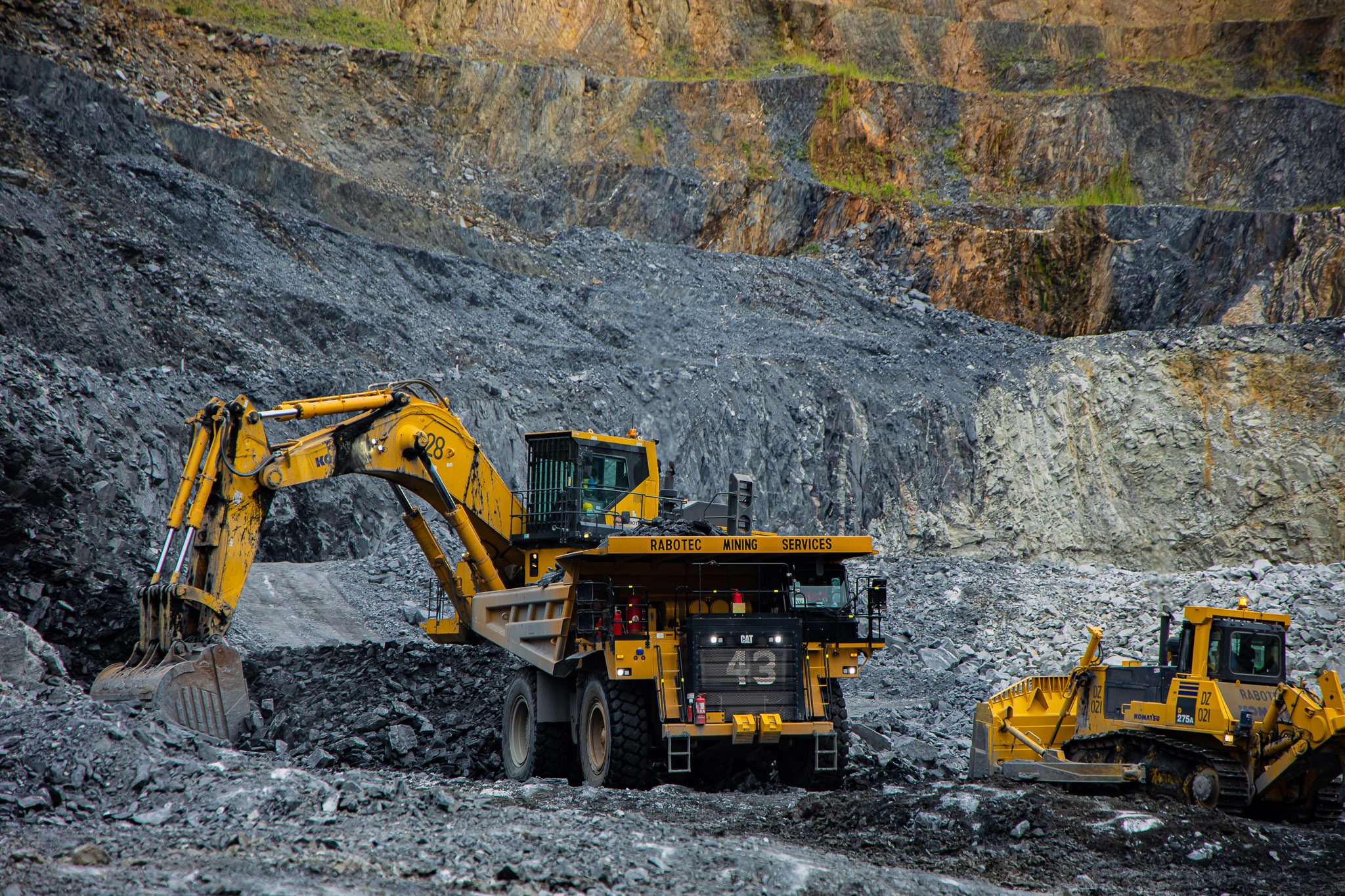
The threat of a “damaging limbo” looms large as the clock ticks down to the expiration of the Gold Fields lease. Simons points out that if the lease is not ratified by parliament before the mid-April cutoff, the legal authority to operate the mine becomes murky.
In such a scenario, the departing entity, Gold Fields, would naturally cease its financial responsibilities, leaving a vacuum that the state might be forced to fill.
This includes the high cost of maintaining a workforce of thousands and servicing existing contractor agreements, which could hemorrhage state funds.
Furthermore, the “shambles” of the current timeline suggests that the government may be negotiating from a position of weakness.
By waiting until the final days of the lease to finalize terms with E&P, the state risks accepting sub-optimal fiscal terms just to avoid a total shutdown of the mine.
This lack of a “serious transitional plan” is what prompted the threat of legal action, as IMANI and other stakeholders seek to ensure that the transition does not result in the socialization of losses while private entities secure the gains.
Constitutional Accountability and the RTI Path

Should the Ministry of Lands and Natural Resources fail to voluntarily release the tender documents, Simons has committed to a structured legal escalation beginning with the Right to Information (RTI) Act.
This move is designed to force the hand of the Minerals Commission to provide the “reasoning” behind the selection of E&P over other potential investors.
The goal is to determine if the technical and financial evaluations were conducted with the rigor expected for one of Ghana’s most significant mining assets.
The potential court case would likely serve as a landmark interpretation of Article 296 in the context of natural resource governance.
By challenging the “deeper meaning” of the tender framework, the legal action aims to set a precedent that prevents future governments from conducting “eleven-day” ratifications for billion-dollar industries.
READ ALSO: CAF Referees Earn Global Recognition with 2026 World Cup Appointments