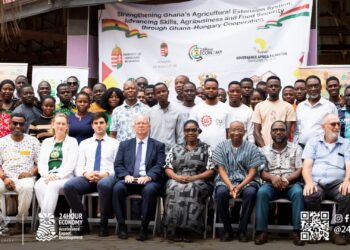
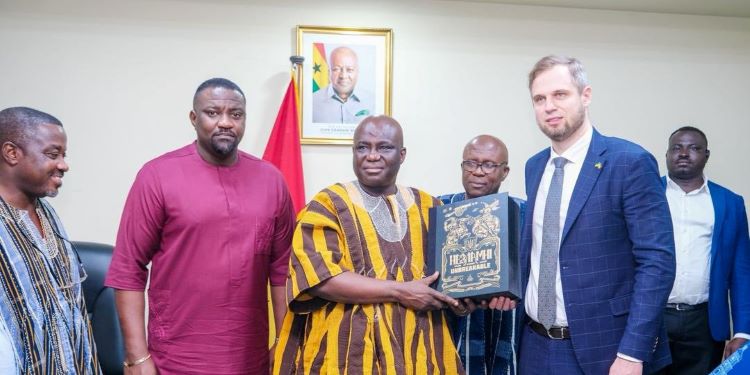
In a landmark diplomatic engagement that signals a new era for Ghana’s agrarian economy, the Minister for Food and Agriculture, Hon. Eric Opoku has officially hosted a high-level delegation from Ukraine, specifically targeting the acceleration of the Agriculture for Economic Transformation Agenda.
Led by Mr. Denys Bashlyk, the visit marks a critical juncture in the bilateral relationship between the two nations, arriving at a moment when the Ghanaian government, under the leadership of His Excellency John Dramani Mahama, seeks to insulate the domestic food market from global supply chain shocks through the flagship “Feed Ghana Programme.”
“I received a high-level entourage from Ukraine… This engagement, particularly through Ukraine’s ‘Food from Ukraine’ initiative and our ‘Feed Ghana Programme,’ holds significant potential for poverty reduction and enhancing food security”
Hon. Eric Opoku, Minister for Food and Agriculture
The Ministry of Food and Agriculture (MoFA) noted that the timing of the diplomatic mission coincides with the official launch of a state-of-the-art Food Processing and Distribution Centre (Agrohub) in Ghana today, April 9, 2026. This hub is expected to serve as a central node for the partnership’s logistics, bridging the gap between Ukrainian agricultural expertise and Ghana’s burgeoning local production capacity.
At the heart of this engagement is the unique synergy between two major initiatives: Ukraine’s “Food from Ukraine,” program and Ghana’s “Feed Ghana Programme.” While the former is a humanitarian and trade vehicle designed to maintain Ukraine’s status as a global breadbasket despite geopolitical challenges, the latter is Ghana’s primary engine for achieving food self-sufficiency.
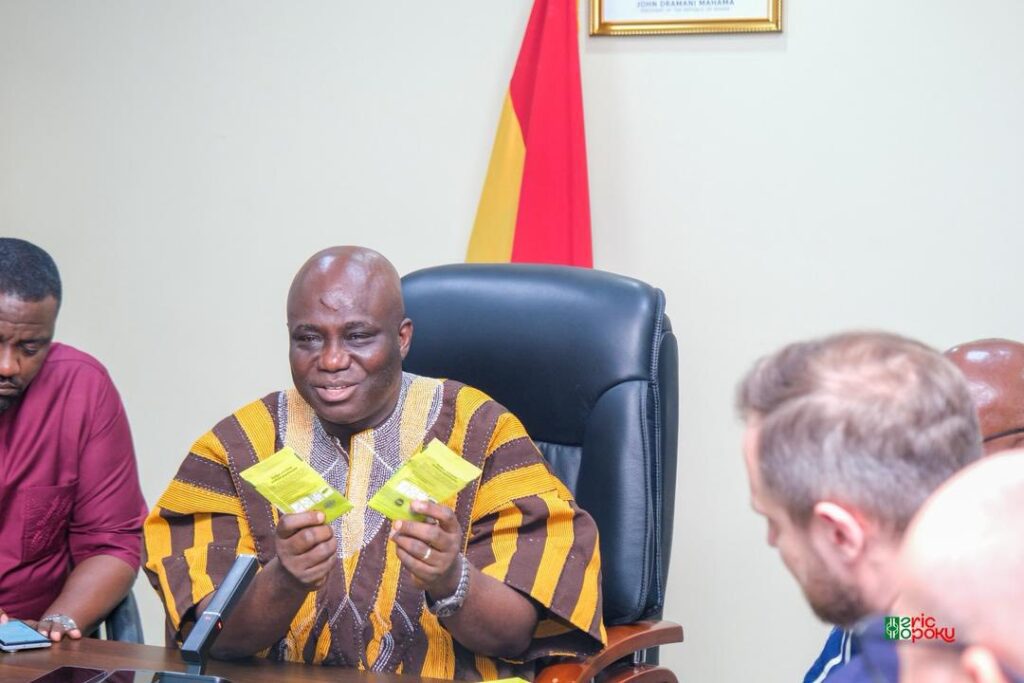
Hon. Opoku, emphasized that the collaboration is not merely about trade, but about a comprehensive structural shift in how Ghana produces, processes, and distributes food.
He highlighted the “Feed Ghana Programme,” as the cornerstone of the current administration’s economic policy, and explained how partnering with Ukraine, a global leader in grain production and agricultural technology, to adopt best practices will transform the lives of millions of rural farmers while stabilizing consumer prices in urban centers.
Wheat and Seed Technology
One of the most tangible outcomes discussed during the high-level meeting was the exploration of a dedicated wheat flour processing facility in Ghana.
Drawing away from Ghana’s reputation as a net importer of wheat that leaves the local baking and confectionery industries vulnerable to international price fluctuations, establishing a local processing plant in collaboration with Ukrainian interests is expected to add value to raw imports and potentially stimulate local trials for climate-resilient wheat varieties.
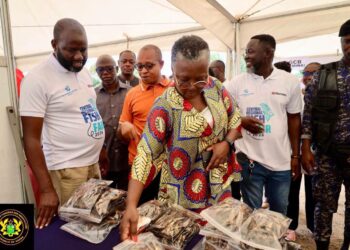
Furthermore, the partnership addressed the most fundamental input of farming: the seed, with Ukraine committing to distributing five million seed packets to vulnerable farmers across Ghana. This move will provide immediate relief and productivity boosts to smallholders who have struggled with the rising costs of high-quality inputs.
MoFA noted that the Minister’s focus on storage and value addition was particularly relevant given Ghana’s past struggle with post-harvest losses. He negotiated for Ukrainian investment in modern silo technology and processing machinery, to ensure that the increased yields promised by the “Feed Ghana Programme,” do not go to waste.
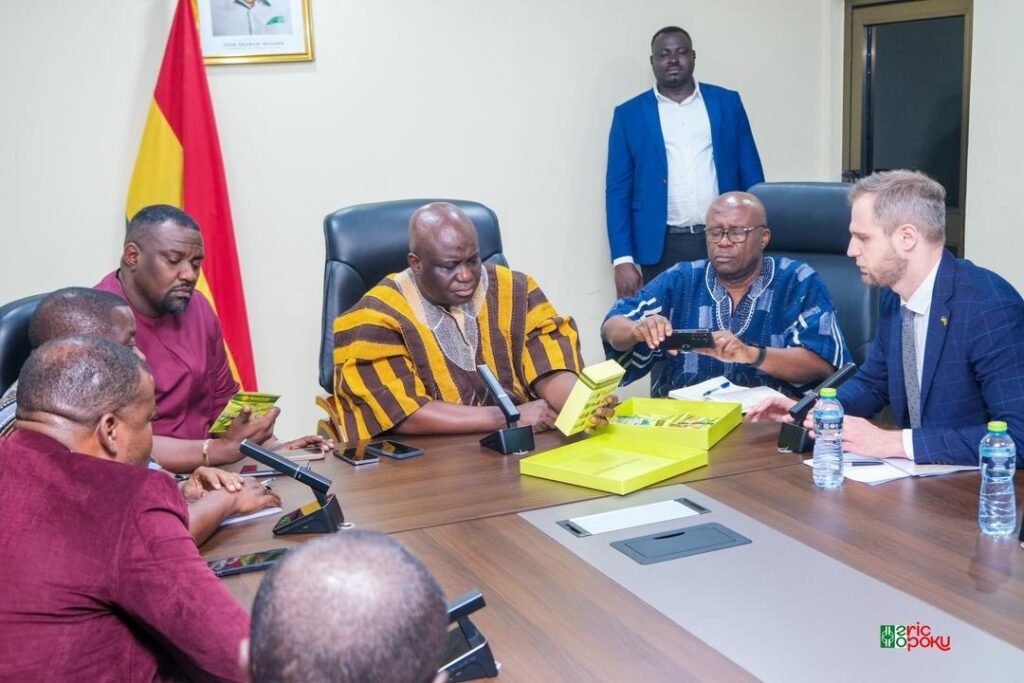
According to the Ministry, the legal and diplomatic foundation for these activities was laid in a Memorandum of Cooperation signed between the two nations in November 2025. This memorandum provides a structured framework for technical exchange, joint ventures in agribusiness, and mutual support in global food security forums.
Mr. Denys Bashlyk, leading the Ukrainian delegation, reaffirmed that Ukraine views Ghana as a strategic gateway to the West African agricultural market, noting that the distribution of seeds is just the beginning of a deeper technical integration.
Beyond the technicalities of seeds and silos, the overarching goal of the Eric Opoku-led Ministry remained the Economic Transformation Agenda – moving from subsistence farming to a more commercialized, tech-driven model, that can significantly reduce poverty.
For MoFA, the partnership with Ukraine provides the technological shortcut needed to bypass years of trial and error, with the Minister’s insistence on quality seeds and value addition reflecting a shift away from the traditional model of exporting raw materials.
Under the Mahama administration, the focus has moved toward ensuring that every stage of the agricultural value chain – from the laboratory where seeds are developed to the factory where wheat is milled – is captured within Ghanaian borders.
As the delegation concludes its visit, the focus now shifts to the ground-level execution of these promises, as the distribution of the five million seeds will be a logistical test for MoFA’s decentralized structures.
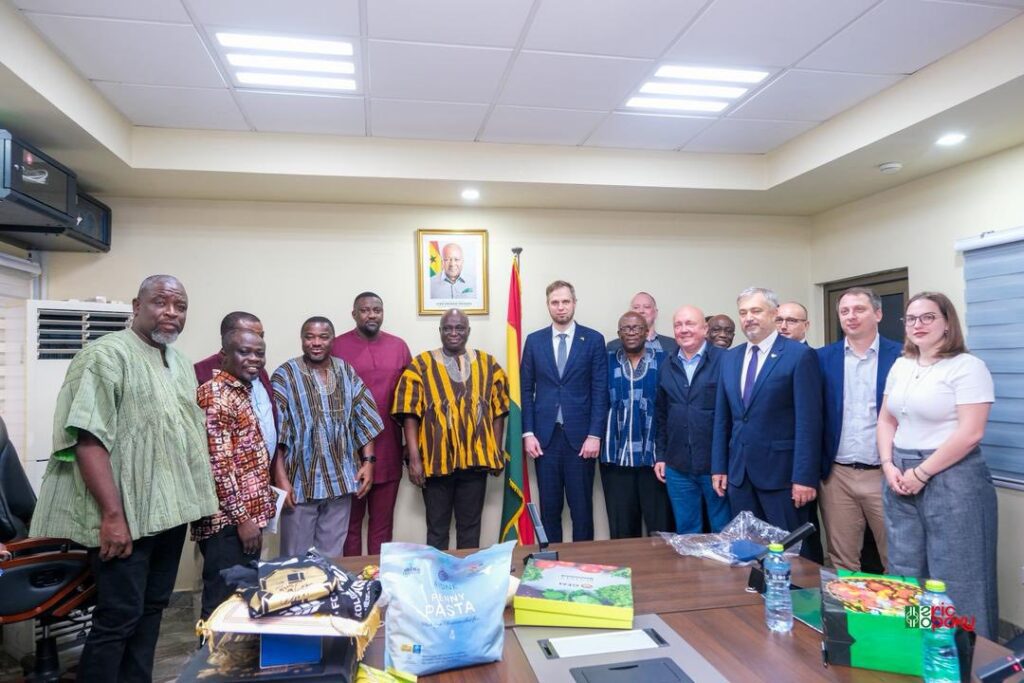
If successful, this partnership could serve as a blueprint for how African nations can leverage bilateral diplomacy to solve domestic food crises while building long-term industrial capacity.
READ ALSO: Societe Generale Ghana Tops Losers List