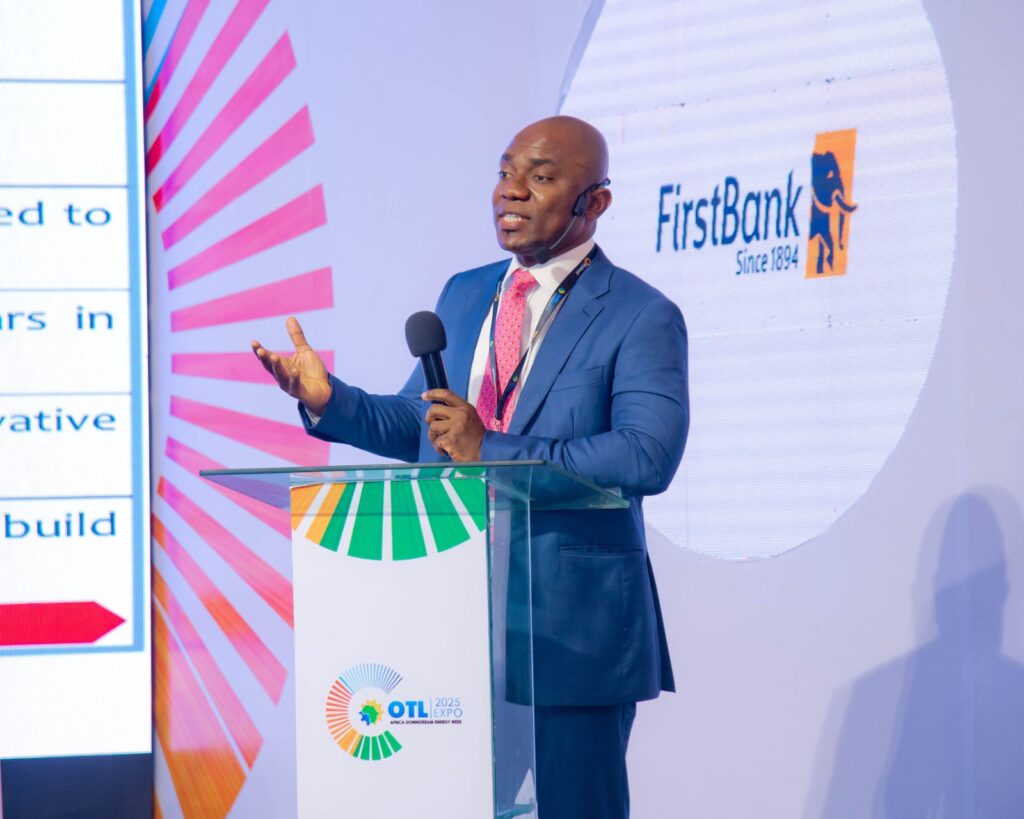
Dr. Patrick Kwaku Ofori, the Chief Executive Officer of the Ghana Chamber of Bulk Oil Distributors (CBOD), has recommended that the government in its step to cushion consumers considers a strategic suspension of the Energy Sector Levy Act (ESLA) to alleviate the mounting financial pressure on consumers and industry players alike.
Amidst a volatile global energy market characterized by fluctuating crude prices and currency depreciation, Dr. Ofori posits that a targeted pause on specific levies could provide the necessary fiscal breathing room to stabilize pump prices.
“When you look at some of the levies on products like diesel, you can pick the ESLA or suspend a portion of it to lessen the burden. Government should also consider stopping the subsidy on premised fuel because we have not seen any direct impact that it necessarily brings. By removing these, government can rake in money to support revenue shortfalls from other tax reliefs.”
Dr. Patrick Kwaku Ofori
This proposal comes at a critical juncture where the balancing act between maintaining government revenue and ensuring energy affordability has become increasingly complex, necessitating a pragmatic review of the existing price build-up components.
Expanding on this fiscal recommendation, the CBOD lead highlights that while the government remains committed to using levies to drive efficiency and protect the energy value chain, the current economic climate demands a re-prioritization of these margins.
The logic behind the current levy structure often fails to account for the exponential increase in the cost of procurement; for instance, the capital required to secure the same quantity of fuel when crude trades at $100 per barrel is significantly higher than when it sits at $60.
Consequently, the “industry recommendation” focuses on specific, high-impact levers like ESLA and the potential reallocation of funds currently tied up in inefficient subsidy programs to offset the revenue shortfalls that would naturally follow a tax reduction.
Reassessing the Fiscal Utility of ESLA vs. Other Levies

In the current landscape of the Ghanaian energy sector, the Energy Sector Levy Act (ESLA) serves as a composite of various taxes designed to settle legacy debts and fund power generation.
However, Dr. Ofori believes the suspension of ESLA offers a more immediate and “equitable relief” compared to other margins.
Unlike the Primary Distribution Margin or the Unified Petroleum Price Fund (UPPF)—which are essential for the physical movement of product across the country ESLA is a purely fiscal tool. Suspending it would not disrupt the logistical supply chain, whereas cutting operational margins could lead to “supply insecurities and regional shortages,” particularly in the northern sectors of the country.
Furthermore, the ESLA’s impact is felt most heavily on diesel, a primary input for industry, transport, and manufacturing.
By targeting this specific levy, the government can achieve a “multiplier effect” on the economy, reducing the cost of doing business and curbing inflationary pressures.
Navigating Volatility in a High-Price Environment

The conversation around tax relief must be grounded in the reality of “crude oil price dynamics,” where the cost of the raw commodity has surged significantly compared to previous years.
Dr. Ofori warns that critics often overlook the fact that the government now “needs more money to buy the same quantity of fuel” required for national energy security.
When the benchmark price of crude shifts from $65 to $200 in certain market cycles, the fixed cedi-denominated levies become insufficient to cover the replacement cost of the product, creating a “vicious cycle of debt.”
Ultimately, the recommendation to suspend ESLA is a call for “market-reflective policy making.”
By appreciating the government’s commitment to efficiency while simultaneously acknowledging the “burden of the margins,” industry leaders are seeking a middle ground.
The goal is to protect the consumer from the “sharp edges of global price hikes” while ensuring that the petroleum value chain remains robust.
As the green transition looms, maintaining a healthy, efficient, and transparent traditional energy sector is the only way to fund the eventual move toward more sustainable energy alternatives in Ghana amid this geopolitical tensions.
READ ALSO: Ghana to Formally Honour Koch After Historic Moon Mission