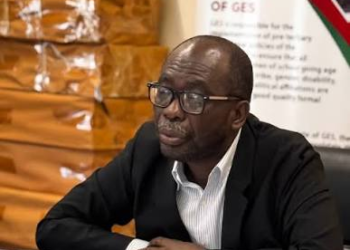
A senior academic at the University for Development Studies (UDS), Paul Kwame Nkegbe, has issued a strong rejoinder and disclaimer denying reports linking him to the ongoing process for the appointment of a Vice-Chancellor. The statement, released on April 14, 2026, follows what he describes as a widely circulated media report and flyer making false claims about his candidacy and ethnic background.
The development comes amid heightened public interest in leadership processes within the University for Development Studies, particularly regarding succession at the Vice-Chancellor level. While such appointments often attract scrutiny, Prof. Nkegbe’s response signals concern over misinformation and its potential consequences on academic reputations and institutional credibility.

Prof. Nkegbe, who currently serves as Dean of the Graduate School at UDS, is a respected academic with expertise in applied economics and policy research. His intervention in the matter highlights growing concerns about the spread of unverified claims in public discourse, especially when tied to sensitive issues such as ethnicity and leadership appointments.
Professor Nkegbe Denies Claims and Distances Himself
In the statement, Prof. Nkegbe firmly rejected claims that he is a “likely candidate” for the Vice-Chancellor position, as well as suggestions that disruptions at a university council meeting were linked to his ethnic origin.
“The claim… is entirely false, baseless, and a fabrication,” he stated, describing the report as “a reckless distortion of facts, calculated either through gross irresponsibility or deliberate mischief.”
He further expressed concern over the unauthorised use of his name and image in connection with the circulating claims, warning that such actions are damaging to his professional reputation and could expose him to unnecessary public controversy and security risks.
“The unauthorized use of my name and image… is deeply troubling, injurious to my reputation,” he added.
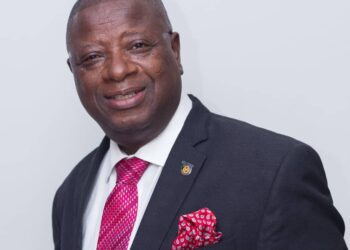
Professor Paul Nkegbe, Vice-Chancellor of UDS
The professor made it clear that he dissociates himself entirely from the claims and any events described in the publication, urging the public to disregard what he described as false narratives.
Legal action Threatened over Alleged Misinformation
Prof. Nkegbe also issued a set of demands to individuals and platforms responsible for the publication and circulation of the claims. He called for the immediate retraction of the story and the deletion of all related content, including any flyer bearing his image.
“The originator(s)… must retract the story in full and delete all related content,” he demanded.In addition, he called for a public apology to be issued with the same prominence as the original publication, clearly acknowledging the falsehood and absolving him of any involvement.
He warned that failure to comply would leave him with “no option but to pursue legal action” to protect his name, reputation, and personal security.“I will not hesitate to seek redress through all lawful means available,” he cautioned. The strong legal tone of the statement reflects the seriousness with which the professor views the matter, particularly given the reputational risks associated with misinformation in academic and public spaces.
Concerns over Misinformation in Academic Leadership Processes
The incident has raised broader concerns about the spread of misinformation in institutional processes, especially within higher education where leadership appointments are often sensitive and closely monitored.Prof. Nkegbe’s response underscores the potential dangers of linking unverified claims to issues such as ethnicity, which can heighten tensions and undermine confidence in governance structures.
As Dean of the Graduate School at UDS, Prof. Nkegbe has played a key role in coordinating postgraduate programmes and advancing research within the university. His academic contributions and leadership position make the allegations particularly significant in terms of public perception.
Observers note that the situation highlights the need for responsible media practices and verification of information before publication, especially in matters involving individuals’ professional standing and institutional integrity.
Call for Restraint and Responsible Communication
In concluding his statement, Prof. Nkegbe urged the public to treat the circulating claims with caution and disregard what he described as falsehoods.“I urge the public to disregard the false claims and treat the publication with the contempt it deserves,” he stated.
The development serves as a reminder of the growing impact of digital platforms in shaping narratives and the importance of accountability in information dissemination.As the matter unfolds, attention is likely to focus on whether the individuals or platforms responsible for the claims will comply with the demands issued, and whether further legal action will be pursued.
READ ALSO: Health Minister Calls Agenda 111 A Deliberate Political Trap