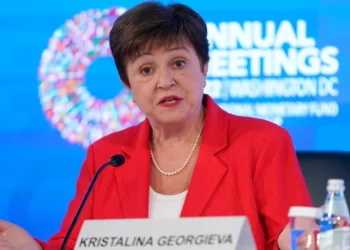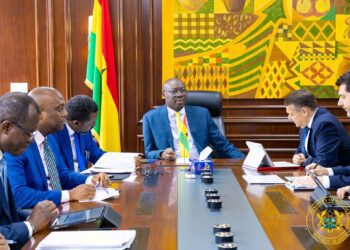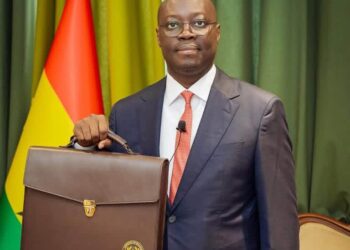
At the recent IMF/World Bank Spring Meetings in Washington, D.C., Ghana’s economic progress took center stage as global financial leaders acknowledged the country’s remarkable turnaround.
Discussions between Ghana’s delegation and senior officials of the World Bank underscored a renewed sense of confidence in the nation’s economic direction.
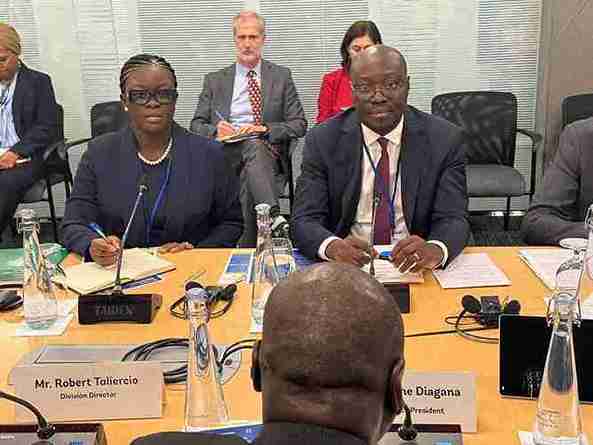
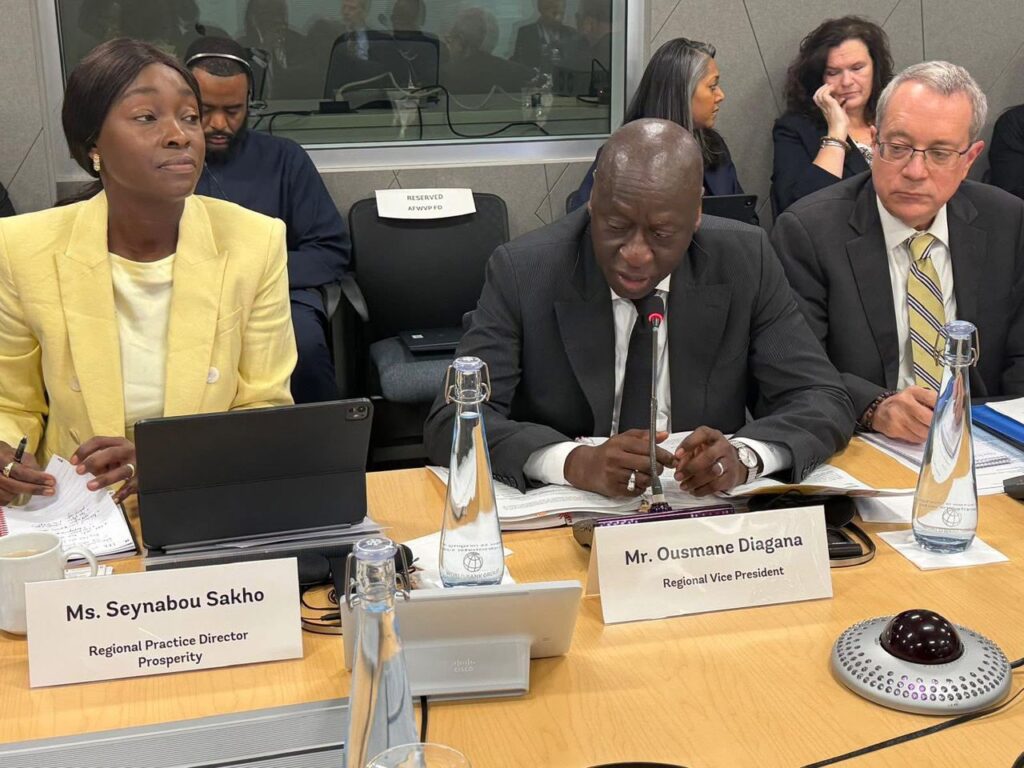
Leading the engagement was Dr. Cassiel Ato Forson, Ghana’s Finance Minister, who outlined the country’s recovery journey and its transition toward sustainable growth. His meeting with Ousmane Diagana, Regional Vice President for Western and Central Africa, signaled a deepening partnership aimed at consolidating recent gains.
From Stabilisation to Growth
After navigating a challenging economic period marked by high inflation, currency volatility, and debt pressures, Ghana has emerged with renewed stability. According to government officials, 2025 marked a decisive turning point, with key macroeconomic indicators showing significant improvement.
Inflation has dropped sharply from 23 percent to just 3.2 percent, while the local currency has demonstrated increased stability. These developments have strengthened investor confidence and provided a solid foundation for the next phase of economic policy.
The government is now shifting its focus from stabilisation to growth. This transition reflects a broader strategy to move beyond crisis management and toward long-term development that benefits a wider segment of the population.
World Bank Commends Leadership and Reforms
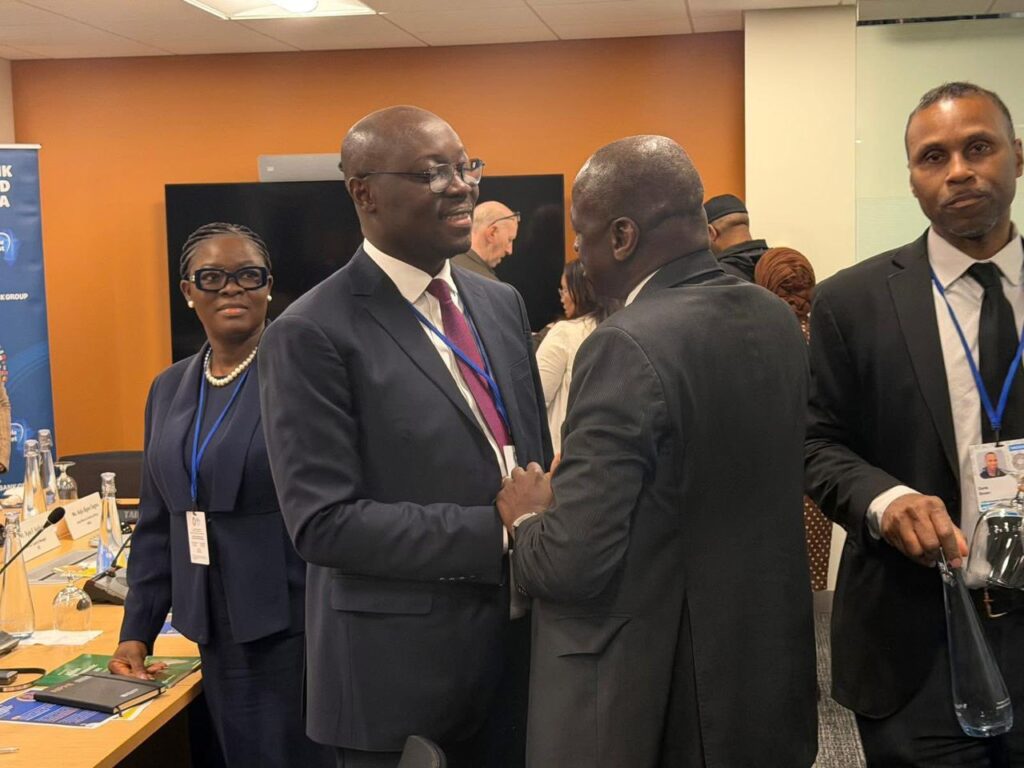
Senior officials at the World Bank were emphatic in their praise for Ghana’s progress. The institution highlighted the country’s fiscal discipline and reform agenda as key drivers behind the recovery.
Particular commendation was given to Dr. Forson’s leadership in implementing bold fiscal reforms and overseeing debt restructuring efforts. These measures have not only restored macroeconomic stability but have also enhanced Ghana’s credibility on the global stage.
World Bank representatives noted that Ghana’s approach could serve as a model for other developing economies facing similar challenges. The recognition reflects growing international confidence in the country’s policy direction and governance framework.
Protecting the Vulnerable Amid Reforms
Despite the emphasis on fiscal consolidation, Ghana has maintained a strong commitment to social protection. Government officials reiterated that protecting vulnerable populations remains a central pillar of economic policy.
Investments in social programmes have been sustained even during the most difficult phases of the adjustment process. This balanced approach has helped cushion the impact of reforms on low-income households and reinforced public trust in the government’s economic strategy.
World Bank officials also acknowledged this commitment, describing Ghana’s ability to combine fiscal discipline with social protection as a critical factor in its successful recovery.
Strategic Priorities for Inclusive Growth
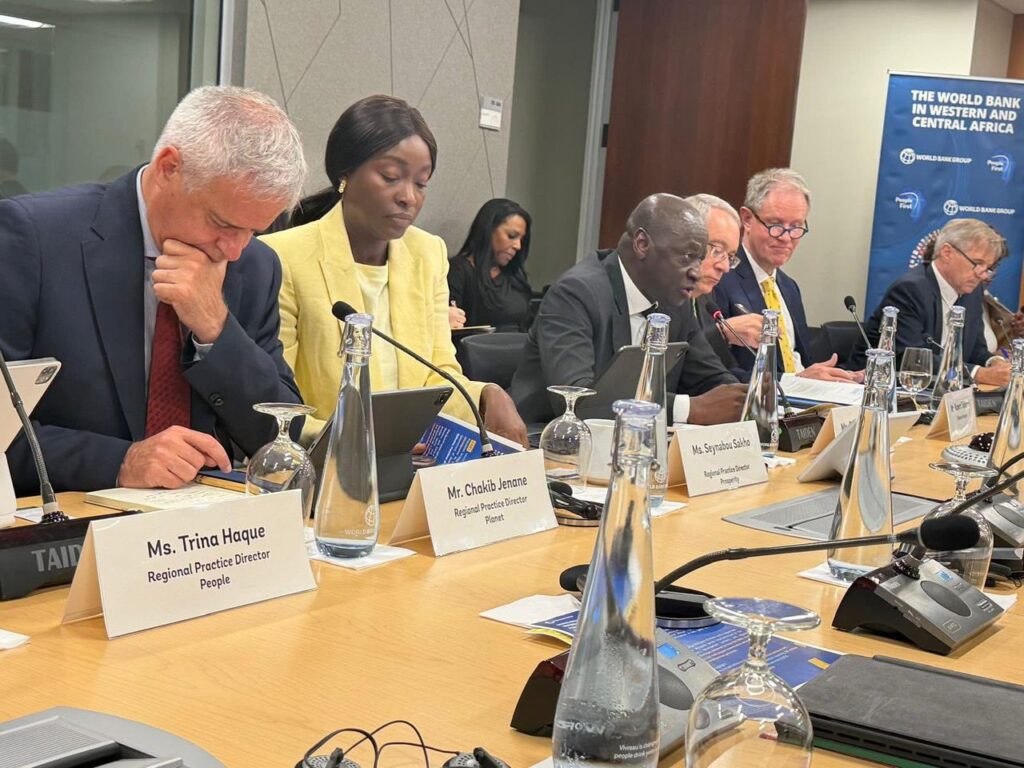
With stability restored, Ghana is now setting its sights on inclusive growth. Discussions at the Spring Meetings identified four key areas for collaboration between Ghana and the World Bank.
The first is commercial agriculture and agribusiness, which are expected to play a vital role in job creation and food security. By strengthening value chains and supporting agro-industrial development, Ghana aims to unlock new economic opportunities, particularly in rural areas.
The second priority is energy, with a focus on gas-to-power and gas-to-fertiliser initiatives. These projects are designed to enhance energy security, reduce production costs, and support industrial growth.
Education and human capital development form the third pillar of the growth agenda. By investing in skills and knowledge, Ghana seeks to build a workforce capable of driving innovation and competitiveness in a rapidly changing global economy.
Finally, infrastructure development remains a key focus. Improving transportation networks and logistics systems will facilitate the movement of goods and services, boost trade, and attract investment.
Strengthening Partnership with the World Bank
The renewed engagement between Ghana and the World Bank reflects a shared commitment to sustaining progress and accelerating development. Both parties have agreed to deepen collaboration across the identified priority areas.
The World Bank’s continued support is expected to play a crucial role in financing projects, providing technical expertise, and supporting policy implementation. This partnership will be instrumental in ensuring that Ghana’s recovery translates into tangible improvements in living standards.
For Ghana, the endorsement from a major global financial institution serves as both validation and motivation. It reinforces the importance of maintaining disciplined fiscal policies while pursuing ambitious development goals.
Outlook for the Future
As Ghana moves forward, the focus will be on consolidating gains and building resilience against future shocks. The transition from recovery to growth presents both opportunities and challenges, requiring careful policy coordination and sustained commitment.
The positive assessment from the World Bank provides a strong foundation for this next phase. It signals that Ghana is on the right path and has the potential to achieve sustained and inclusive economic growth.
With continued reforms, strategic investments, and strong international partnerships, Ghana’s economic comeback could evolve into a long-term success story that benefits all segments of society.
READ ALSO: Five Gainers Lift GSE Market Mood