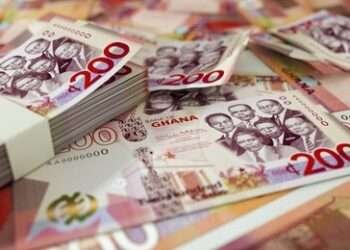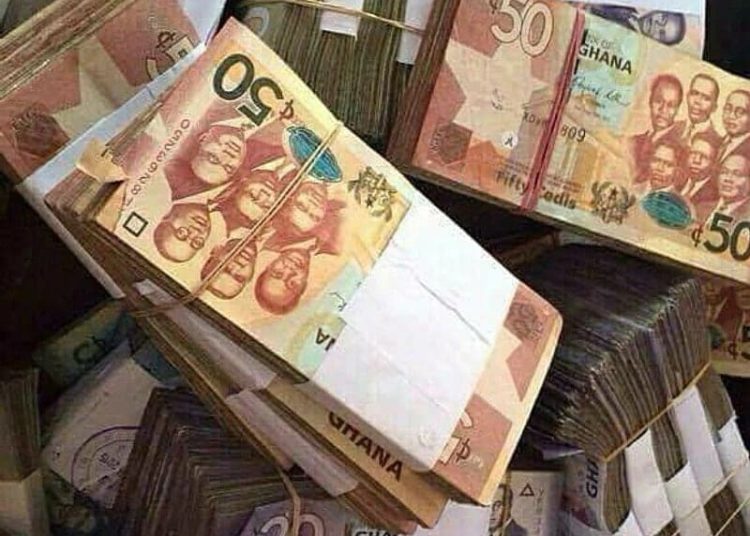
Ghana’s currency, the cedi, has delivered its strongest first-quarter performance in over half a decade, signaling a notable turnaround from the turbulence of recent years.
Despite recording a marginal depreciation of 4.4 percent against the US dollar in the first three months of 2026, the performance stands out as the lowest first-quarter decline since 2021. By the end of March, the cedi traded at GH¢10.98 to the dollar, reflecting a level of relative stability that has eluded the currency during much of Ghana’s recent economic challenges.
This performance places the cedi well below the six-year average first-quarter depreciation of 8.7 percent, underscoring a steady recovery trajectory. Early April data suggests that the currency has largely maintained this position, with interbank rates hovering around GH¢11.02.
Recovery Anchored in Policy Reforms
The cedi’s improved performance is not accidental. It is the result of a series of deliberate policy interventions and structural reforms. Ghana’s ongoing programme with the International Monetary Fund has played a central role in restoring investor confidence and macroeconomic stability.
Alongside this, the successful implementation of the Domestic Debt Exchange Programme has helped ease fiscal pressures and restore some credibility in the country’s financial system.
Equally significant has been the surge in gold export earnings, which reached approximately 20 billion dollars in 2025. This windfall has strengthened Ghana’s external position and provided critical support for the Bank of Ghana’s foreign exchange interventions. The central bank reportedly injected substantial liquidity into the market last year to stabilise the currency, a move that has paid off in the form of reduced volatility.
A Look Back at the Crisis Years
To fully appreciate the significance of the current performance, it is important to revisit the recent past. At the height of Ghana’s economic crisis in 2022, the cedi depreciated by more than 20 percent in the first quarter alone. Inflation surged to over 50 percent, while access to international capital markets was severely constrained. The currency’s rapid decline created widespread uncertainty, increased the cost of imports, and strained household incomes.
Since then, a steady improvement has been observed. First-quarter depreciation figures have consistently declined, from 20.6 percent in 2022 to 12.7 percent in 2023, 10.8 percent in 2024, and 5.5 percent in 2025. The 4.4 percent recorded in 2026 represents a continuation of this trend and highlights the effectiveness of ongoing economic reforms.
Falling Inflation and Interest Rates
Macroeconomic indicators further reinforce the narrative of recovery. Inflation has dropped significantly, reaching 3.2 percent in March 2026. This marks a dramatic decline from the peak levels recorded during the crisis period. Lower inflation has provided room for monetary easing, with the Monetary Policy Rate reduced to 14 percent following a series of cuts.
Treasury bill yields have also declined sharply. Rates that once hovered between 28 and 30 percent in early 2025 have fallen into single digits, with the 91-day bill now around 4.8 percent. This decline in yields reflects improved investor confidence and reduced risk perceptions in the domestic market.
The Ghana Reference Rate has also trended downward, supporting lower borrowing costs for businesses. Together, these developments are fostering a more conducive environment for investment and economic expansion.
Outlook Remains Cautious
Despite the strong start to the year, analysts remain cautious about the cedi’s outlook for the remainder of 2026. Projections suggest that the currency could weaken to a range between GH¢12.60 and GH¢12.85 per dollar by the end of the year. This would represent an approximate 15 percent depreciation from current levels.
Seasonal demand for imports and rising energy-related payments are expected to exert pressure on the currency. Additionally, global economic uncertainties and fluctuations in commodity prices could influence exchange rate dynamics.
Nevertheless, even with this projected decline, the cedi would still be significantly stronger than the levels recorded in early 2025, when it traded above GH¢15 to the dollar.
Commodity Prices Offer Mixed Signals
Global commodity trends present both opportunities and risks for Ghana. Gold prices have continued to rise, offering a potential boost to export revenues and foreign exchange reserves. As one of the world’s leading gold producers, Ghana stands to benefit from sustained strength in this market.
However, oil prices have also surged, increasing the country’s import bill. Higher fuel costs could translate into rising transport and production expenses, potentially reversing some of the gains made in controlling inflation.
Cocoa prices, another key component of Ghana’s export portfolio, have declined sharply in recent months due to improved global supply conditions. This adds another layer of complexity to the country’s external sector outlook.
Balancing Gains and Risks
The cedi’s performance in the first quarter of 2026 reflects a broader story of economic recovery and resilience. Strong policy coordination, improved external earnings, and declining inflation have combined to stabilise the currency after years of volatility.
However, sustaining this momentum will require careful management of both domestic and external risks. Policymakers will need to balance the benefits of lower interest rates with the need to maintain currency stability, while also navigating uncertainties in global commodity markets.
As the year unfolds, the cedi’s trajectory will remain a key barometer of Ghana’s economic health. For now, its strongest first-quarter showing since 2021 offers a measure of optimism that the country’s recovery is on firmer ground.