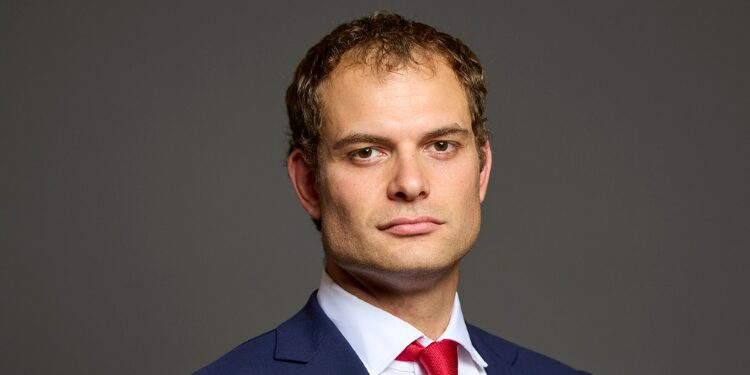
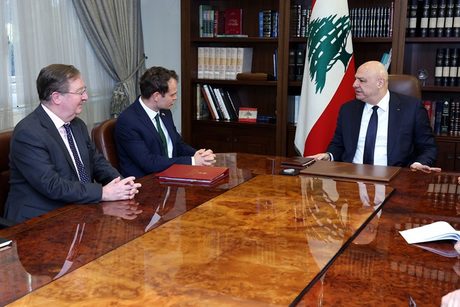
UK has committed a £20.5 million humanitarian support package for Lebanon, as the Minister for the Middle East, Hamish Falconer, made the first ministerial visit to the country since the recent regional escalation in violence.
During a one-day visit to Beirut, Minister Falconer held high-level discussions with Lebanon’s political leadership, including the President, Speaker of Parliament, Prime Minister and Foreign Minister, focusing on efforts to reduce tensions, restore stability and advance diplomatic pathways to ending hostilities in the region.
This visit comes amid ongoing conflict dynamics between Hizballah and Israel, which have contributed to widespread displacement and significant civilian hardship across Lebanon.
According to the Minister for the Middlle East, Conflict in the Middle East benefits no one, adding that, “UK is working with partners to de-escalate and pursue a political solution.”
“People in Lebanon are again suffering a conflict they did not choose, with displacement robbing families of security and dignity. The UK is increasing support for those most in need, reflecting our commitment to regional stability.”
Hamish Falconer
UK government’s announcement of a £20.5 million humanitarian aid package, which aims to improve Lebanon’s crisis response systems and provide immediate support to communities impacted by violence and displacement, was at the center of the visit. Following a previous £9.5 million allocation made earlier this year in response to the deteriorating humanitarian situation, the financing is a part of a larger UK commitment to Lebanon.
The Minister for the Middle East also reiterated the UK’s position that a sustainable ceasefire must realistic path to long-term peace and security for both sides. He emphasised that protracted instability serves no party and instead exacerbates civilian misery.
During the visit, the Minister also met with healthcare personnel and first responders, thanking them for their efforts under extraordinarily difficult circumstances.
He stressed that medical and emergency professionals must be safeguarded from all sides, and warned that attacks on humanitarian workers are unacceptable.
The newly announced £20.5 million package will address critical humanitarian needs such as food aid, emergency relief, shelter support, and the building of national crisis response systems.
This includes £12.3 million for Lebanon’s Shock Responsive Safety Net programme in partnership with the World Food Programme, designed to help vulnerable households meet basic needs such as food and essential services.
An additional £2.9 million will support the Lebanese Red Cross, strengthening emergency response capabilities through medical supplies, ambulances, rescue equipment and relief items including food, blankets and hygiene kits.
Moreover, UNICEF will receive £3.1 million to provide support for children and families living in shelters and informal education settings. This includes access to education, psychosocial care, and protection services, with a particular focus on women and girls affected by displacement and conflict-related trauma.
This support according to the Minister is intended to reach populations in both accessible and hard-to-reach areas, with a focus on ensuring that essential services remain operational despite ongoing instability.
UK Pushes Regional Descalation Agenda
Following his visit to Lebanon, Minister for the Middle East Hamish Falconer will represent the UK at the Antalya Diplomatic Forum, where he is expected to advance discussions on regional diplomacy, de-escalation, and long-term stability across the Middle East.
At the forum, the Minister for the Middle East, will take part in a panel discussion focused on the importance of stability in Syria, as wider regional tensions continue to shape security dynamics across neighbouring countries.
UK is expected to use the platform to reinforce its call for coordinated international efforts aimed at reducing conflict and supporting political solutions.
He will also hold a series of bilateral meetings with Middle Eastern counterparts, with discussions set to focus on the urgent need for immediate de-escalation across the region. These engagements are expected to address ongoing flashpoints and broader security concerns that continue to affect regional stability.
Furthermore, Maritime security will also form a key part of UK’s diplomatic priorities at the forum, particularly in relation to the Strait of Hormuz, a vital global shipping corridor.
UK will reiterate its position calling for the protection of freedom of navigation and adherence to international law in the maritime domain, amid continued concerns over regional tensions affecting commercial shipping routes.
The UK government, said it remains committed to supporting peace and stability across the Middle East through sustained diplomatic engagement and cooperation with international partners and has also called for the immediate and unconditional reopening of the Strait of Hormuz and respect for the fundamental principles of freedom of navigation under international law.
READ ALSO : Zelenskyy Rejects Sanctions Relief For Russia