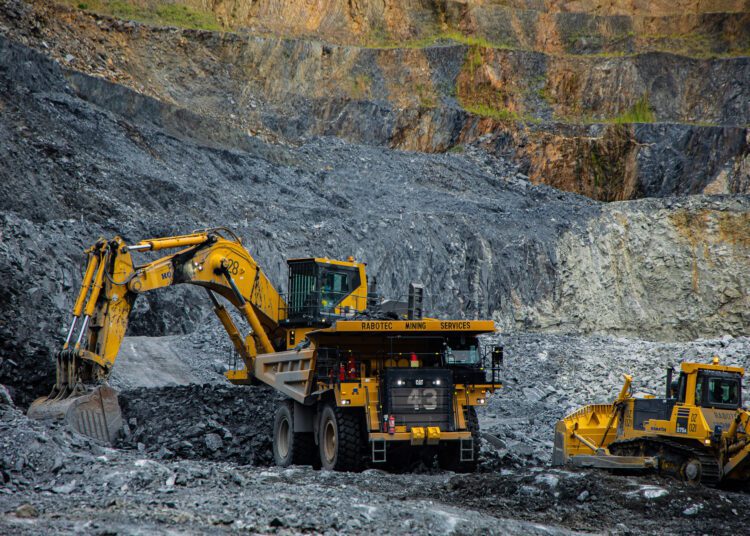
Gold Fields limited has officially initiated the safe and orderly handover of the Damang mine to the Government of Ghana, marking the formal expiration of its mining lease on this day, 18 April 2026.
This milestone follows a structured transition process established in April 2025, ensuring that the asset reverts to state control in a manner that prioritizes stability and operational integrity.
The Ministry of Lands and Natural Resources, alongside the Minerals Commission and a specialized Transition Team, has worked in close coordination with the mining giant to facilitate this historic transfer of ownership.
“Gold Fields is supporting the safe and orderly transition of the Damang mine to the Government of Ghana, following the agreed process in April 2025. The process has been structured to ensure operational continuity and stability throughout the handover. Gold Fields’ involvement has been limited to transition preparation and support, with all future ownership decisions resting solely with the Government.”
Gold Fields limited

The transition process was meticulously engineered to uphold the principles of “operational continuity and stability,” ensuring that the mine remains a viable economic engine for the nation during and after the change in management.
By sticking to a predefined roadmap, Gold Fields has focused its efforts on technical and operational readiness, allowing the government-appointed team to step into a functioning ecosystem.
While the asset now falls under the sovereign authority of Ghana, the preparatory phase underscored a commitment to transparency, aiming to mitigate any potential disruptions to the local economy or the extractive sector’s broader performance.
Safeguarding the Extractive Ecosystem and Local Interests
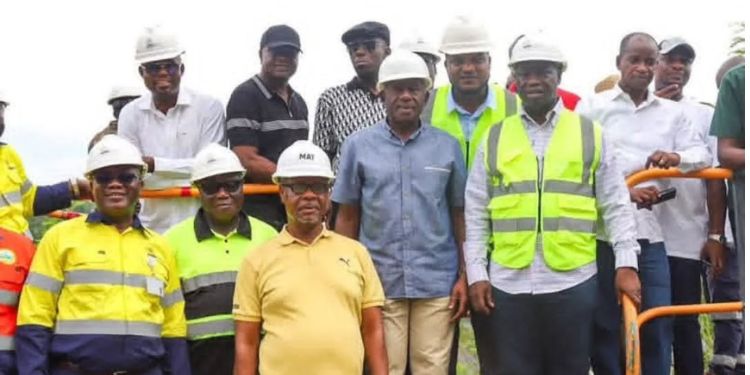
A primary pillar of this handover has been the protection of jobs and contractors, a priority that addresses the immediate concerns of the thousands of Ghanaian workers whose livelihoods depend on the Damang operations.
By ensuring that employment contracts and local supplier agreements are integrated into the transition framework, Gold Fields and the government have sought to prevent the “brain drain” often associated with mine closures or ownership shifts.
This strategic focus on human capital ensures that the expertise developed over decades of mining at Damang remains within the borders of Ghana, providing the state with a seasoned workforce ready to drive the next phase of the mine’s lifecycle.
Furthermore, maintaining “stability for host communities” has been central to the social license of the transition.
The handover involves not just the physical pits and processing plants, but a complex web of community development projects and environmental management systems.
The commitment to a “safe and responsible transfer of assets” means that environmental reclamation bonds and social responsibility programs are handed over in good standing.
This prevents the government from inheriting unforeseen liabilities and allows for a seamless continuation of the social pacts that exist between the mine and the surrounding inhabitants, thereby fostering a peaceful environment for future state-led operations.
Catalyzing Ghana’s Local Content Agenda Through State Ownership

The reversion of the Damang mine to the state is a watershed moment for Ghana’s local content agenda, providing a unique platform for the government to implement its vision of increased indigenous participation in the high-value segments of the mining chain.
With the asset now under government control, there is a significant opportunity to pilot new models of “resource nationalism” that prioritize Ghanaian-owned firms for heavy equipment leasing, chemical supply, and specialized engineering services.
By leveraging this state-owned asset, the Ministry of Lands and Natural Resources can more aggressively enforce policies that require a higher percentage of procurement spend to remain within the local economy, rather than flowing out to international conglomerates.
A Structured Path Toward Future Sovereignty
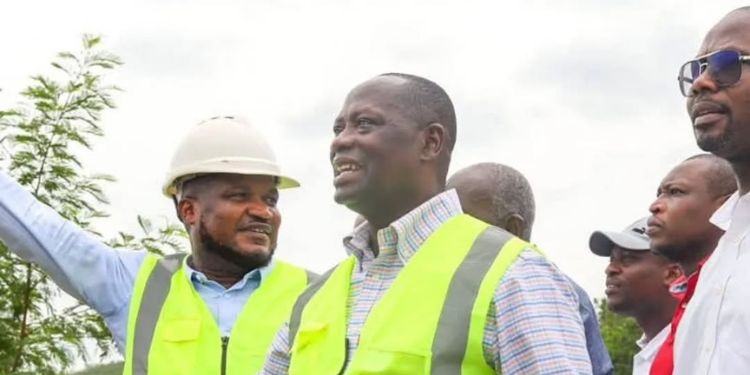
The government’s newly acquired authority over Damang means that “all decisions on future ownership and operatorship” now lie exclusively with the Ghanaian state, allowing for a tailored approach to the mine’s future.
Whether the government opts for a new international tender, a public-private partnership, or a fully state-run enterprise, the foundation laid by this “safe, orderly and responsible handover” provides the necessary flexibility.
By avoiding the pitfalls of sudden abandonment, the transition has preserved the asset’s market value, ensuring that the government inherits a “going concern” rather than a dormant site.
Ultimately, the successful conclusion of this lease marks the end of a significant chapter for Gold Fields in the region and the beginning of a new era of state-led resource management.
The focus remains on “creating enduring value beyond mining,” ensuring that the legacy of the Damang asset continues to contribute to Ghana’s national development goals.
As the government takes the reins today, the industry will be watching closely to see how this transition serves as a blueprint for other expiring leases in the West African mining belt, potentially redefining the relationship between multinational miners and host governments for decades to come.
READ ALSO: CB Bank PLC Rewards Shareholders with GH₵1 Dividend