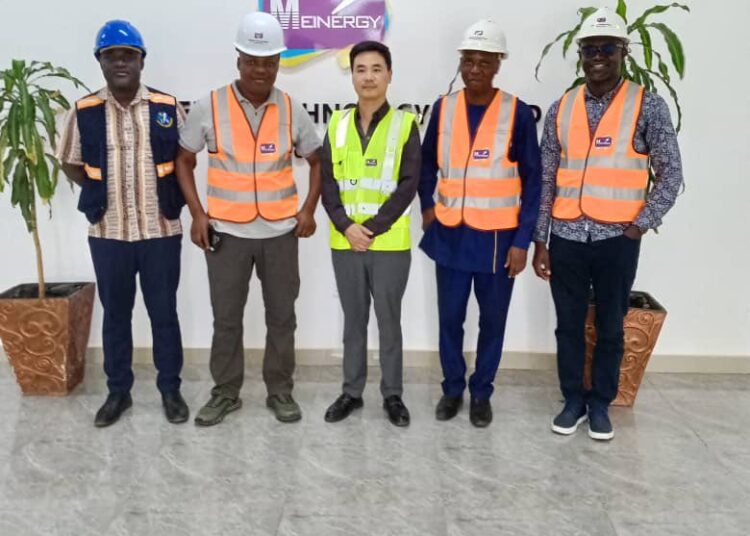
BXC Company Limited and Meinergy Technology Limited have reaffirmed their commitment to advancing Ghana’s renewable energy agenda following a strategic working visit by the Energy Commission Board to their respective facilities in Gomoa Onyadze.
This high-level engagement underscores a reinforced partnership between the regulator and these key industry players, aimed at strengthening oversight while ensuring the country’s green transition remains on a robust and sustainable path.
By aligning their operational goals with national objectives, both companies are signaling a proactive approach to fostering a more reliable and expansive renewable energy landscape.
“Management of BXC and Meinergy welcomed the engagement as timely and expressed their commitment to working closely with the Commission to address regulatory concerns and advance Ghana’s renewable energy agenda.”
Energy Commission
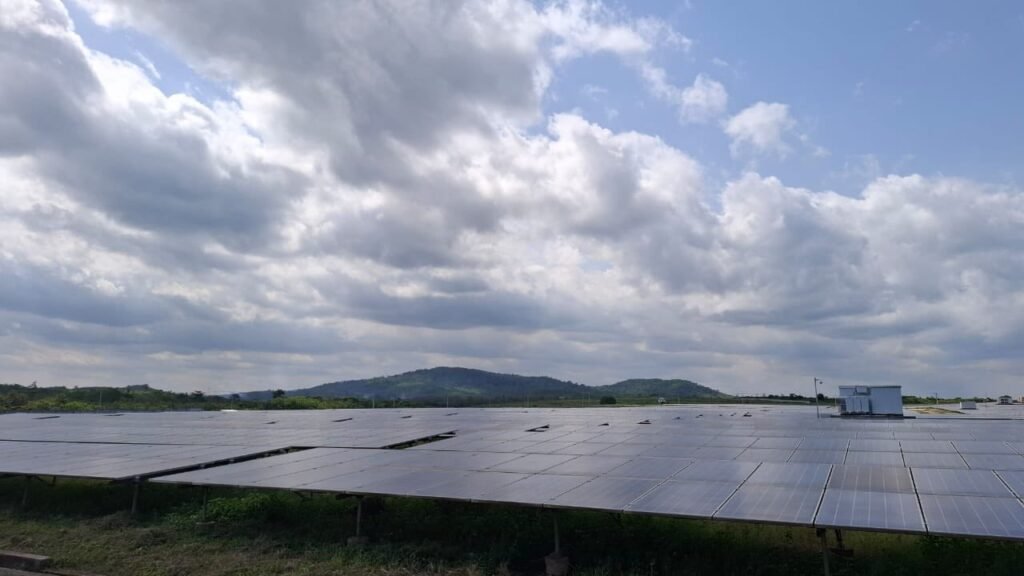
This engagement served as a vital forum for candid discussions regarding the regulatory framework currently governing the renewable energy sector.
During the tour, officials from both facilities guided the Board through their plants, offering a firsthand look at the sophisticated technologies powering their contributions to the national energy mix.
This interaction provided the Commission with the necessary insights to identify specific “bottlenecks in the current regulatory framework that could hinder operational efficiency and growth,” while simultaneously exploring practical, collaborative solutions to streamline the ease of doing business in this critical sector.
“The Energy Commission remains committed to working closely with all industry stakeholders to address regulatory concerns, enhance operational transparency, and effectively advance Ghana’s renewable energy agenda for the benefit of all citizens.”
Energy Commission
Enhancing the Renewable Energy Drive
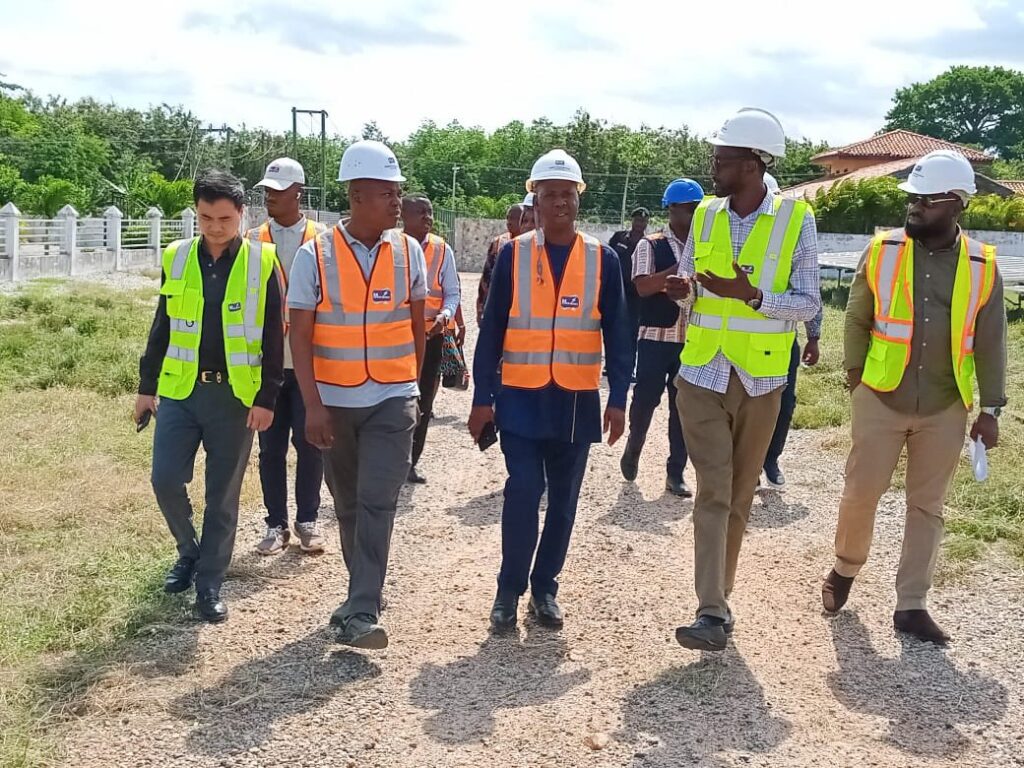
The strategic importance of such site visits cannot be overstated in the context of Ghana’s green transition. By physically visiting facilities like those in Gomoa Onyadze, the Energy Commission moves from a purely administrative role to an active partnership model.
This oversight is instrumental in ensuring that independent power producers are not only compliant with technical standards but are also supported in overcoming systemic challenges.
Furthermore, these visits allow for real-time monitoring of energy infrastructure performance, which is essential for maintaining grid stability as more renewable sources are integrated.
As the Commission gathers data on the ground, it can better refine its policies to incentivize private sector participation, thereby accelerating the move away from fossil fuel dependence and closer to meeting national targets for a cleaner energy mix.
Local Content and Economic Sustainability
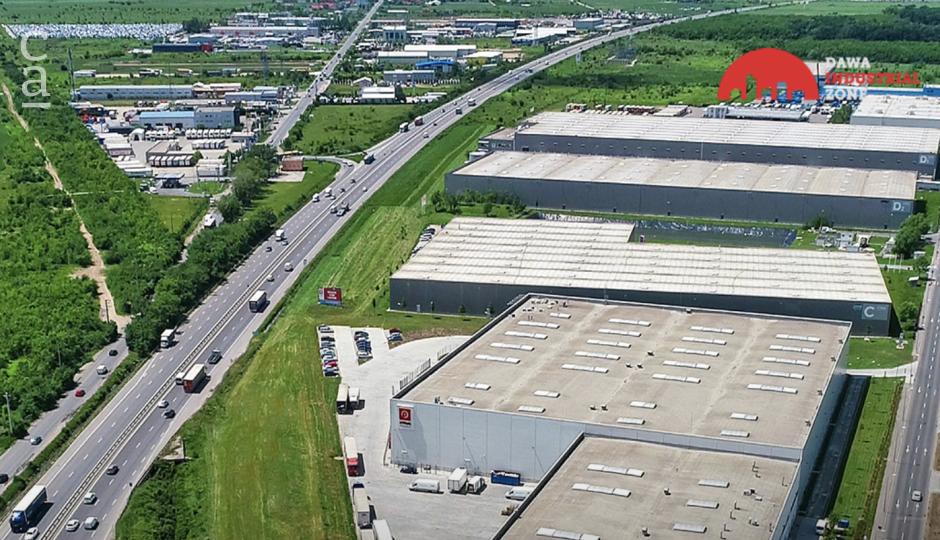
A central theme of the Board’s visit was the critical imperative of local participation, a cornerstone for building long-term sector resilience.
The Board Chairman, Prof. John Gartchie Gatsi, emphasized that the transition to green energy must inherently drive socioeconomic development.
He urged the management of both BXC and Meinergy to “take concrete steps toward meeting local content provisions,” underscoring that such actions are vital to “building sector capacity, creating jobs, and ensuring long-term sustainability.”
For companies operating in Ghana’s renewable space, this is a clear signal that the Commission is shifting focus toward integrated growth.
By prioritizing the employment of local expertise and the utilization of local materials, these companies can better align with national interests, turning renewable energy into an engine for domestic industrialization.
Toward a Collaborative Future
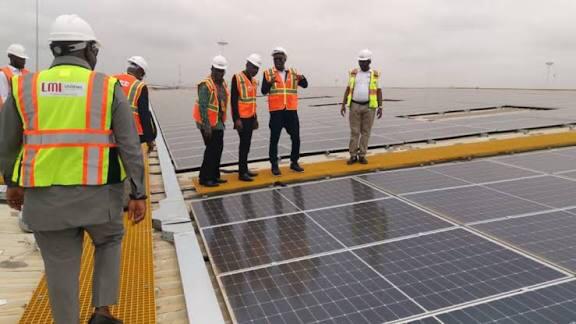
The management teams of both BXC and Meinergy welcomed the Commission’s engagement, describing the visit as a “timely intervention” that fosters a more cooperative environment.
This collaborative spirit is essential for solving the complex challenges inherent in the energy transition, from infrastructure maintenance to regulatory agility.
Moving forward, the success of Ghana’s renewable energy agenda will depend on this ongoing dialogue between regulators and industry operators.
By fostering transparency and focusing on shared goals, the Energy Commission is positioning itself to lead the country toward a more sustainable, energy-secure future, proving that regulation can indeed act as a catalyst for growth rather than an impediment.
READ ALSO: Sundowns Beat Esperance to Book CAF Champions League Final Spot