The government has recorded a significant breakthrough in its efforts to address the uneven distribution of medical doctors across Ghana, with over 100 doctors now accepting postings to underserved districts.
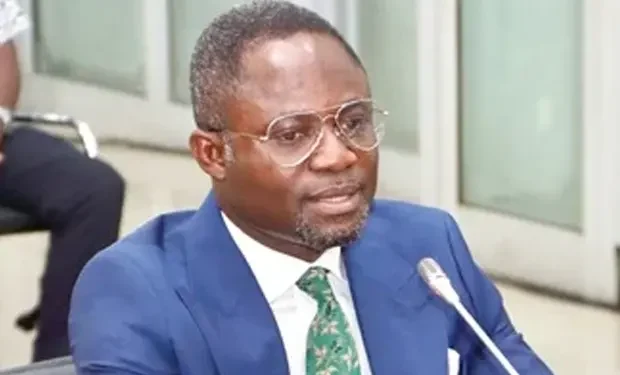
The Minister for Health, Kwabena Mintah Akandoh, confirmed this development in an interview, describing it as a major step toward improving healthcare access in deprived areas.
The initiative forms part of a broader strategy aimed at correcting long standing disparities in the allocation of medical personnel. According to the Minister, a large proportion of Ghana’s doctors are concentrated in urban centers, particularly in Greater Accra and Ashanti regions, leaving many districts without adequate medical care.
“About 50 percent of our doctors are in Greater Accra, and when you add Ashanti, it rises to between 60 and 70 percent,” he explained, highlighting the urgency of redistributing healthcare workers more equitably.
Shift in Posting Strategy
In response to this imbalance, the Ministry of Health adopted a firm policy requiring doctors to accept postings to districts in need. The decision initially faced resistance, with some medical professionals expressing concerns about working conditions in rural areas.

Despite these concerns, the Minister insisted that the policy was necessary to ensure fairness and improve access to healthcare services for all citizens. He emphasized that communities in rural areas have long contributed to national development and deserve equitable access to medical care.
“It is not fair to the people in those communities if trained professionals refuse to serve there,” he stated, acknowledging that while concerns raised by doctors are valid, they must be addressed without compromising the broader goal.
To make postings to underserved areas more attractive, the Ministry engaged regional and local authorities, including chiefs, district chief executives, and Members of Parliament. These stakeholders were encouraged to provide essential support such as accommodation, transportation, and other incentives.
The Minister revealed that in some regions, local authorities and private individuals have stepped in to offer housing and logistical support for incoming doctors. In certain cases, vehicles and fuel allowances have also been made available to ease the transition.
“I told them clearly that if there is no accommodation, I will not post any doctor there,” he said, explaining that improving living conditions is key to sustaining the initiative.
This decentralized approach, he noted, allows communities to take ownership of the process while avoiding the financial burden of implementing a nationwide incentive policy.
Significant Increase in Uptake
The impact of the new policy is already evident. In 2024, only 12 doctors accepted postings across the eight underserved regions identified by the Ministry. These regions include Savannah, Upper West, Upper East, North East, Western North, Bono East, Ahafo, and Oti.

Following the introduction of the new measures, the number has risen sharply to over 100 doctors. This increase represents a substantial improvement and signals growing acceptance of rural postings among medical professionals.
The Minister indicated that the recruitment process is ongoing and that further gains are expected as additional measures are implemented.
The government has set ambitious targets to ensure that every district in Ghana has access to medical doctors. According to the Minister, the immediate goal is to ensure that each district has at least one doctor within a short period.
Looking ahead, the Ministry aims to achieve a minimum of two doctors per district within two years. This target reflects a commitment to improving healthcare delivery, particularly in areas that have historically lacked medical personnel.
“There are still districts in this country without a single doctor,” the Minister noted, underscoring the scale of the challenge.
Policy Measures for Sustainability
To sustain the progress made so far, the Ministry is developing additional policies aimed at motivating doctors to accept and remain in rural postings. While details of these incentives are still being finalized, the Minister indicated that they will focus on improving working conditions and career development opportunities.
One key policy already introduced is the requirement that all new health facilities must include accommodation for staff. This measure is intended to address one of the main barriers to rural postings and ensure that future infrastructure development supports workforce distribution.
The Ministry is also working to institutionalize local support systems, ensuring that assistance provided by district authorities continues beyond individual administrations.
While the increase in the number of doctors accepting postings represents progress, the Minister acknowledged that challenges remain. Issues such as infrastructure, access to utilities, and overall living conditions continue to influence the willingness of professionals to work in rural areas.
He emphasized that addressing these challenges requires collaboration across multiple sectors, as the Ministry of Health alone cannot resolve issues related to roads, water, and electricity.
Despite these limitations, the government remains committed to improving healthcare access and ensuring that all Ghanaians benefit from the country’s growing pool of medical professionals.
Outlook for Rural Healthcare
The latest developments suggest a positive shift in efforts to address disparities in healthcare delivery across Ghana. By combining firm policy decisions with local engagement and targeted support, the government is beginning to make progress in redistributing medical personnel.
As the initiative continues, its success will depend on sustained commitment, effective implementation, and the ability to address underlying challenges in rural development.
The government’s target of placing at least two doctors in every district within two years represents a significant milestone, one that could transform healthcare access for many communities across the country.
READ ALSO: GIPC Converts Philadelphian Interest into Hard Capital in Tactical Siege