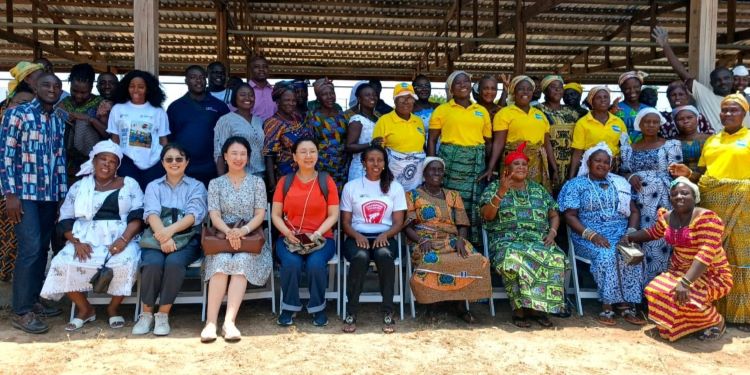
The Fisheries Commission, in a strategic partnership with the Korea Maritime Institute (KMI), has intensified its oversight of the Tema Manhean Fish Processing Facility, marking a critical milestone in the government’s drive to industrialize the artisanal fisheries value chain.
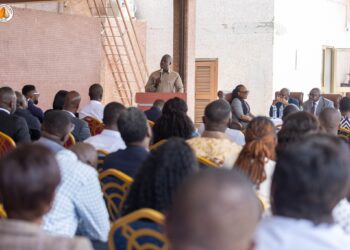
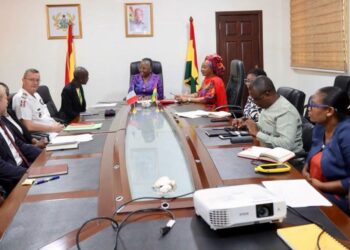
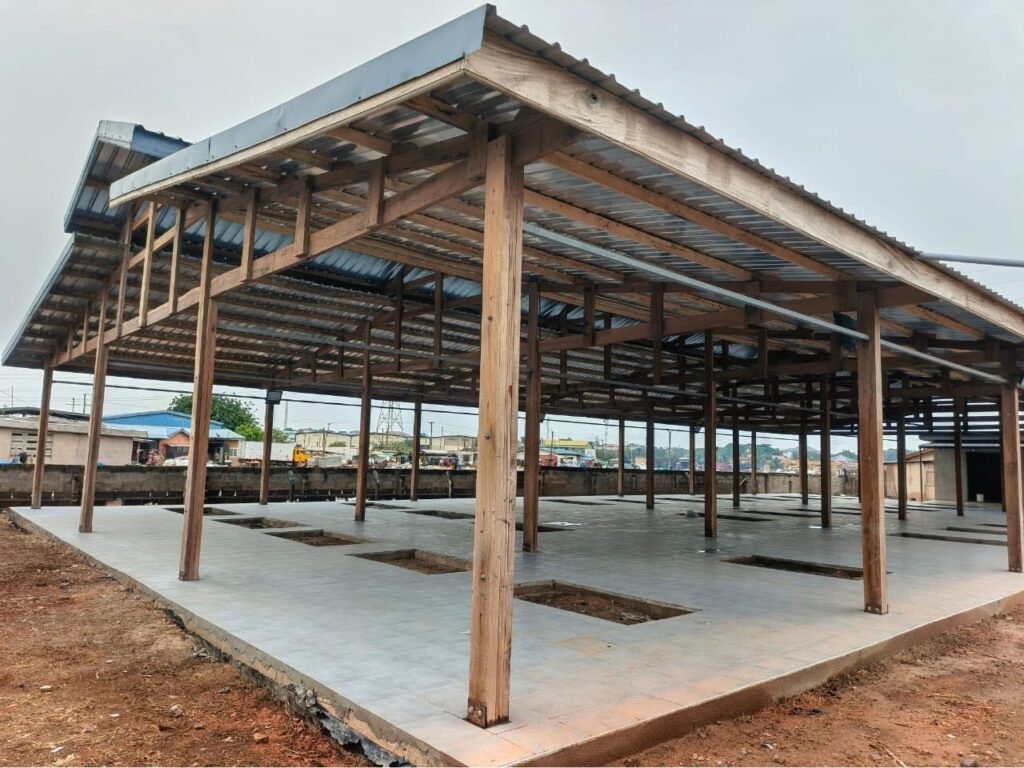
During a recent high-level technical audit, officials from the Post-harvest Management and Trade Division (PHMTD) assessed the progress of an infrastructure project that is poised to redefine the economic landscape for the Tema Manhean Fish Mongers and Smokers Association.
According to the Commission, the project targets the blue economy’s supply side to eliminate systemic post-harvest losses that drain the income of Ghana’s coastal communities, integrating industrial-grade cold storage, mechanized processing, and social welfare infrastructure to convert subsistence fishing into a modernized, high-standard economic sector.
“The resident engineer, Mr. Michael Nii Osa Mensah, reported that construction is progressing in line with the project schedule. He however, noted that several finishing works remain outstanding.
“These include the excavation of additional boreholes to improve water management and drainage, installation of additional handwashing stations, and enhancements of critical infrastructure such as the ice plant and cold storage”
Fisheries Commission
For the Commission, the merit of this intervention lies in its holistic approach to value-chain leakage. For decades, the inability to preserve the catch immediately after landing has forced fisherwomen into a cycle of distress sales, where spoilage dictates the price rather than market demand.
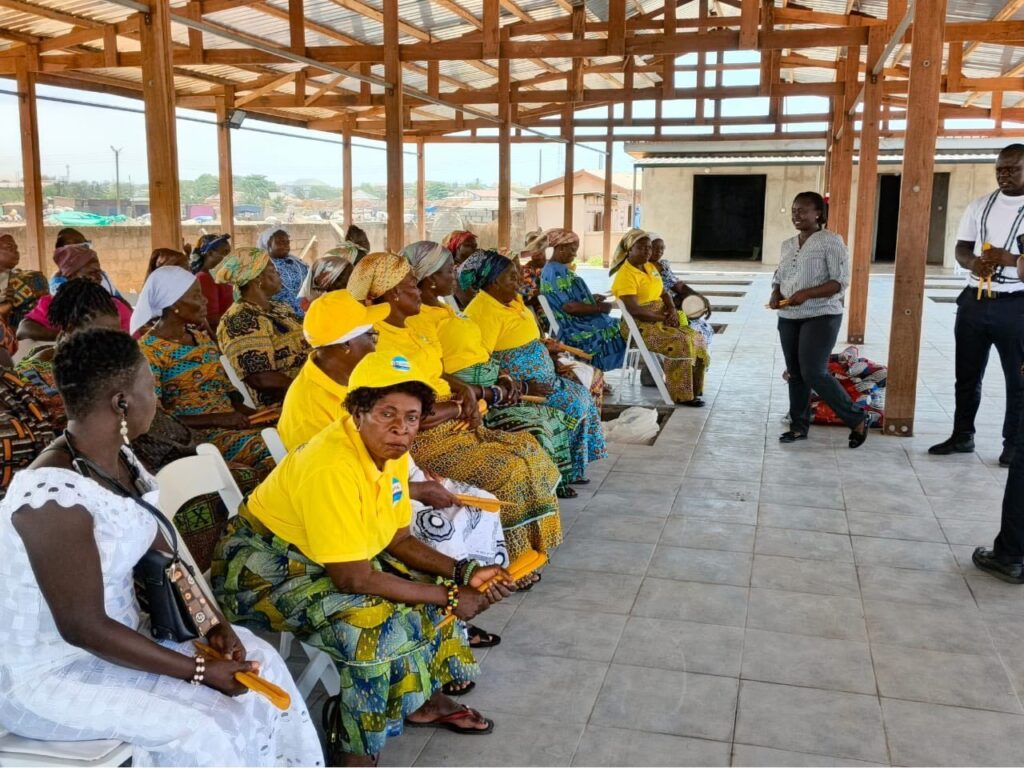
The Tema Manhean facility, scheduled for handover in February 2027, addresses this challenge through a sophisticated cold chain integration.
With the inclusion of a dedicated ice plant and advanced cold storage units, the facility will allow for the temporal stabilization of fish supply. This ensures that the catch can be preserved during bumper seasons, preventing the glut that often leads to plummeting prices and massive physical waste.
The Fisheries Commission noted that what distinguishes the Tema Manhean project from traditional infrastructure builds is its commitment to total welfare engineering, with the inclusion of a mini-clinic and a daycare center within the industrial perimeter as a sophisticated recognition of the gendered realities of the fisheries sector.
This is a model of socio-industrial integration where the state provides the social floor necessary for economic scaling. When fish processors no longer have to choose between childcare and their trade, the industrial efficiency of the entire hub increases, leading to more consistent output and better adherence to safety standards.
The 2027 Operational Horizon
As the project enters its final phase, the focus is shifting from physical structural integrity to operational readiness. The Korea Maritime Institute’s involvement backs the facility with world-class maritime management expertise, as representatives have made it clear that the February 2027 handover will be accompanied by a rigorous training regime.
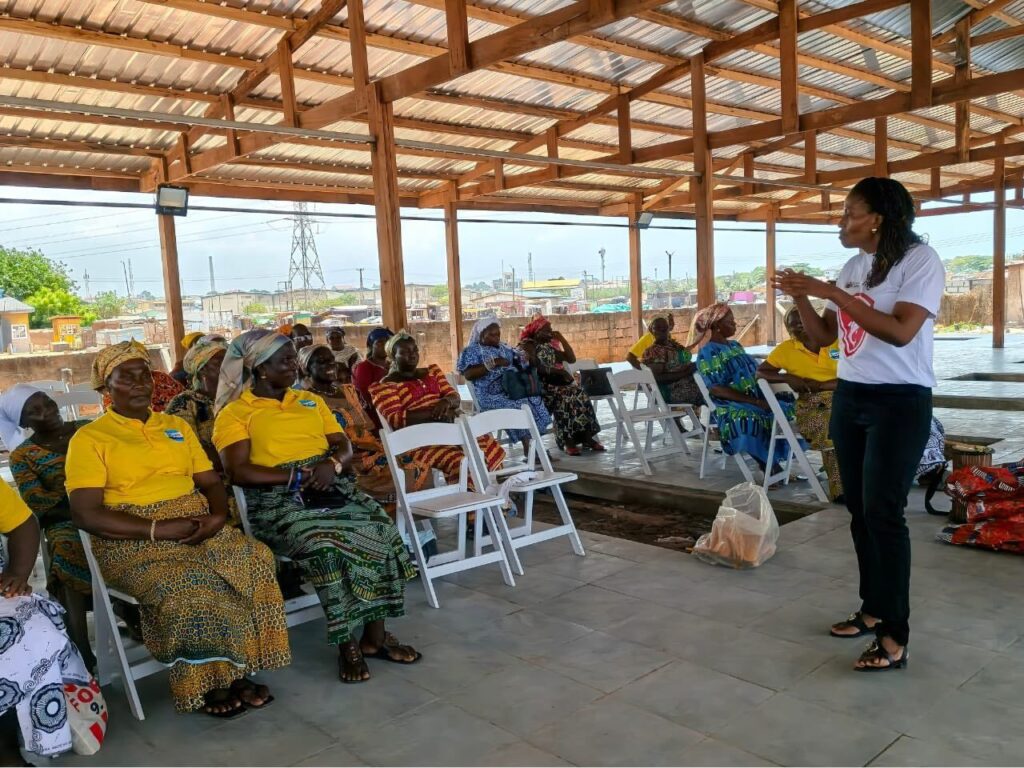
This capacity-building phase is the most critical element of the project’s sustainability. It aims to transition the members of the Tema Manhean Fish Mongers and Smokers Association from traditional artisans to professional facility operators capable of managing complex mechanical units, including the ice plants and administrative systems.
This transition requires a radical shift in the management culture of the artisanal sector. The Fisheries Commission Directors – Mad. Yaa Tiwaah Amoah, Mad. Matilda Ajakameh, and Mr. James Kwame Ayarik – were vocal about the need for a “maintenance mindset.”
The state is providing the capital and the technology, but the long-term success of the project depends on the Association’s ability to manage the facility as a commercial asset. The administrative offices and conference rooms built into the site are designed to facilitate this professionalization, providing a space for business meetings, cooperative governance, and continuous vocational training.
The broader narrative of the Tema Manhean project is the strategic fortification of Ghana’s Blue Economy. Under the current industrial policy, the Ministry of Fisheries and Aquaculture Development (MoFAD) is treating fish not just as food, but as a strategic commodity that requires a sophisticated value-added infrastructure.
Reducing post-harvest losses, which currently sit at an estimated 30% to 40% in some artisanal sectors, the government is effectively increasing the national food supply and boosting rural GDP without needing to increase the volume of the catch.
The partnership with South Korea serves as a diplomatic and technical anchor for this vision. As a nation that successfully industrialized its own maritime sector, Korea provides a relevant blueprint for Ghana’s transition. The success of the project in Tema will serve as the prototype for similar hubs across other major landing sites like Elmina, Sekondi, and Axim.
Ultimately, the Tema Manhean Fish Processing Facility represents a new social contract between the state and the artisanal sector. It is a promise that industrialization will not leave the smallholder behind.
As the resident engineers push toward the February 2027 deadline, the eyes of the maritime community are on Tema. The completion of this facility will mark a key moment in Ghana’s fisheries sector, moving from the margins of the informal economy into the heart of the nation’s industrial renaissance.