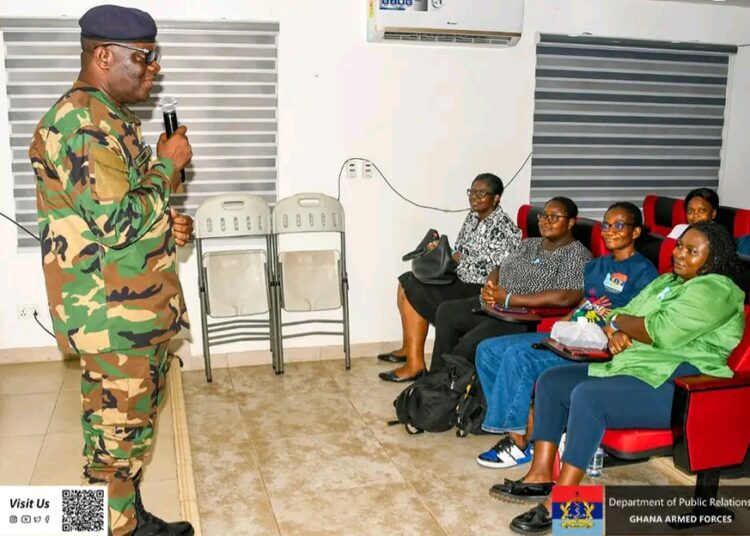
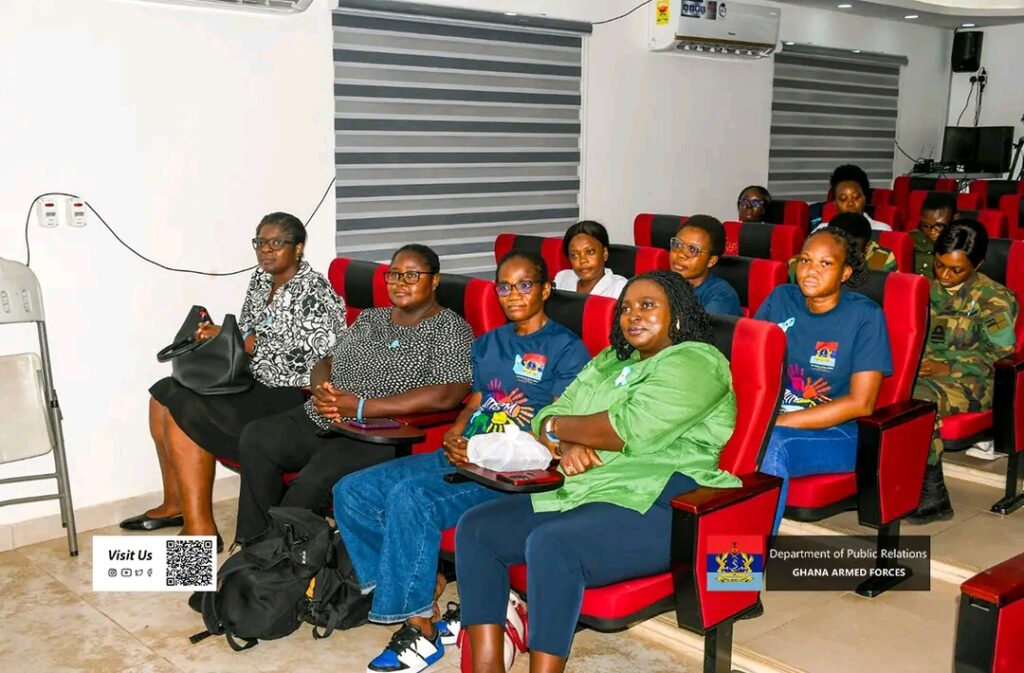
The Therapy and Wellness Department of the 37 Military Hospital, under the Ghana Armed Forces Health Services (GAFHS), has organised a 10-day intensive training programme on autism and special needs support as part of activities marking Autism Awareness Month. The training, held at Burma Camp from April 13 to April 23, 2026, brought together professionals from diverse sectors to build capacity in understanding and managing autism spectrum disorders.
The initiative forms part of a broader effort by the Ghana Armed Forces to deepen awareness, promote inclusion, and strengthen support systems for individuals living with autism. Across April, several activities have been organised within the military health system to highlight the importance of early intervention, education, and community engagement in addressing autism-related challenges.
Participants in the training included educators, healthcare practitioners, and representatives from religious institutions, reflecting a multidisciplinary approach to autism care. The programme was designed to equip participants with practical skills and evidence-based strategies to better support children and individuals with special needs within their respective communities.
GAFHS Conducts Autism Training
The training programme focused on enhancing participants’ understanding of autism spectrum disorders, with sessions covering behavioural patterns, communication challenges, and intervention strategies. By targeting professionals across sectors, organisers aimed to ensure that knowledge gained would be applied in schools, clinics, and community settings.
The Ghana Armed Forces Health Services has increasingly prioritised specialised training programmes as part of its broader mandate to deliver quality healthcare services to both military personnel and civilians. The 37 Military Hospital, one of Ghana’s leading referral and teaching hospitals, plays a central role in this effort through its diverse clinical and training programmes.
Officials noted that autism awareness remains relatively low in many communities, often leading to stigma and delayed diagnosis. By equipping professionals with the right tools, the training sought to bridge knowledge gaps and improve early identification and intervention for children on the spectrum.
The initiative also aligns with ongoing efforts by the Ghana Armed Forces to establish a dedicated Special Needs Centre, which is expected to provide specialised care, therapy, and educational support for children with developmental conditions.
Experts Explain Behavioural Strategies
A key highlight of the training was a session on Applied Behaviour Analysis (ABA), delivered by Clinical Health Psychologist Mr. Dominic Kobina Forson. During his presentation, he emphasised that behaviours exhibited by children with autism are not random but serve specific purposes linked to underlying needs.
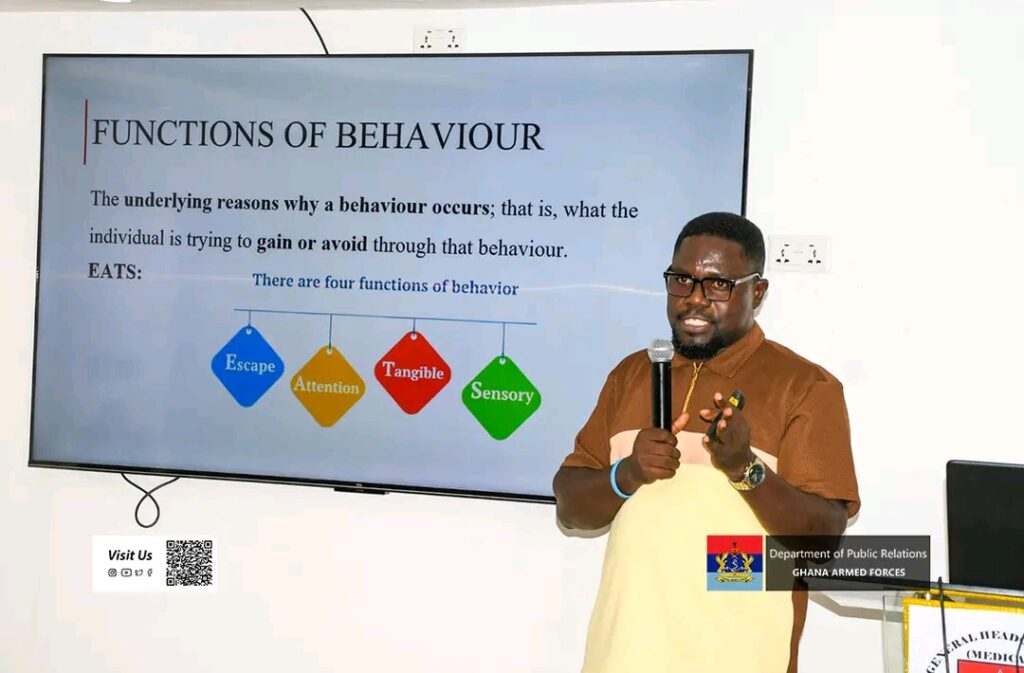
According to him, such behaviours may be driven by the need to avoid certain demands, seek attention, gain access to preferred activities or environments, or satisfy sensory requirements. Understanding these motivations, he explained, is critical to developing effective interventions.
Participants were introduced to practical, evidence-based strategies for interpreting and responding to these behaviours in a supportive and structured manner. The session encouraged a shift from reactive responses to more informed, empathetic approaches that address the root causes of behavioural patterns.
The training also highlighted the importance of consistency across different environments, including homes, schools, and healthcare settings. By ensuring that caregivers and professionals apply similar approaches, children with autism can benefit from more stable and predictable support systems.
GAFHS Promotes Inclusive Support Systems
Speaking at the event, Brigadier General George Commey, Military Secretary and Chairman of the Special Needs Centre Project, expressed appreciation to the Military High Command for supporting autism awareness initiatives and 37 Military Hospital autism training the training.
He underscored the importance of sustained investment in programmes that support individuals with special needs, calling for increased backing for the Special Needs Centre Project. He also urged participants to act as ambassadors for autism awareness, using their knowledge to educate others and promote inclusion within their communities.
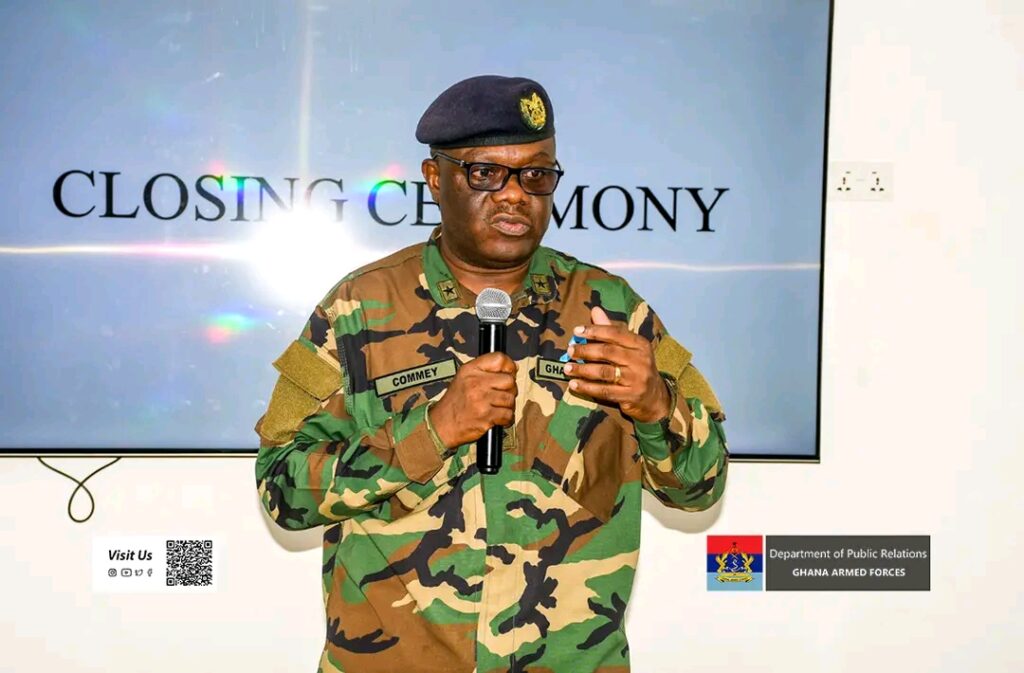
The closing ceremony was attended by key stakeholders, including Mr. Dominic Kobina Forson (Ghana Navy) Ebenezer Yirenkyi and Dr. Erica Danfrekwa Dickson, Director of Mental Health at GAFHS. Both emphasised the need for continued collaboration among institutions to improve outcomes for individuals with autism.
The Ghana Armed Forces has, in recent years, intensified its focus on mental health and developmental conditions, recognising the importance of holistic healthcare that goes beyond physical treatment. Initiatives such as caregiver support programmes and awareness campaigns have been introduced to complement clinical services and strengthen community engagement.
As Autism Awareness Month activities continue, the training stands as a significant step toward building a more informed and inclusive society. By equipping professionals with the knowledge and tools to support individuals on the autism spectrum, the programme contributes to a broader national effort to improve understanding, reduce stigma, and ensure that no one is left behind.
READ ALSO: Hardline Enforcement Arrives to Save Ghana’s Fish Stocks