Patients requiring specialised medical imaging services are expected to benefit from improved access to diagnostic healthcare following the inauguration of a new state of the art diagnostic centre at the 37 Military Hospital in Accra.
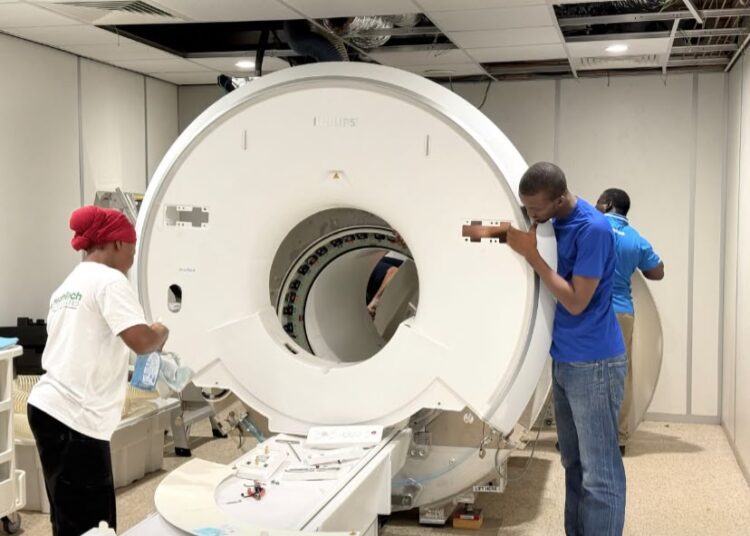
The facility, established through a public-private partnership between HealthTech Ghana and the Ministry of Defence, features Ghana’s first Philips BlueSeal 1.5 Tesla helium-free Magnetic Resonance Imaging system. Health officials believe the investment will significantly strengthen diagnostic services and improve early detection of diseases across the country.
The centre was officially commissioned on June 5, 2026, with authorities announcing a two week free MRI scanning exercise for eligible patients from June 8 to June 20. The initiative is aimed at expanding access to critical diagnostic services while reducing the financial barriers often associated with advanced medical imaging.
Free MRI Programme to Support Patients
As part of the launch, patients registered with the 37 Military Hospital who possess valid medical requests for MRI examinations will have access to free MRI scans during the designated period.
HealthTech Ghana explained that while the scans themselves will be offered at no cost, a modest charge will apply for professional radiology reporting and interpretation of results.
Hospital officials believe the exercise will provide relief for patients who may otherwise struggle to afford advanced diagnostic services and will encourage early detection of medical conditions requiring specialised treatment.
The programme is expected to benefit patients suffering from neurological disorders, musculoskeletal injuries, cancers, cardiovascular conditions, and other diseases that require detailed imaging for diagnosis and treatment planning.
Comprehensive Diagnostic Services Under One Roof
Beyond MRI services, the new centre offers a comprehensive range of diagnostic facilities designed to improve patient care and reduce delays in diagnosis.
The facility includes Computed Tomography scanning, digital X ray services, mammography, ultrasound imaging, and laboratory diagnostic services.
Healthcare professionals say the integrated model will enable patients to undergo multiple diagnostic investigations at a single location, reducing the need for referrals between facilities and accelerating clinical decision making.
The CT scanning unit is expected to support diagnosis of conditions affecting the brain, chest, abdomen, and musculoskeletal system. Mammography services are expected to strengthen breast cancer screening efforts, while ultrasound and digital X ray services will support the diagnosis of a wide range of medical conditions.
Officials indicate that the centre will operate continuously, providing twenty four hour access to diagnostic and laboratory services for both military personnel and the general public.
Addressing a Critical Healthcare Gap
The commissioning of the facility comes at a time when access to advanced imaging services remains a major challenge within Ghana’s healthcare system.
Several studies and assessments have highlighted the uneven distribution of MRI and CT scanning facilities across the country, with many public hospitals struggling with equipment breakdowns, maintenance challenges, and limited diagnostic capacity.
As a result, patients often face long waiting periods or are required to travel significant distances to access specialised imaging services.
Chief Executive Officer of HealthTech Ghana Limited, Daniel Morkla, described the project as a transformative intervention designed to improve healthcare delivery and restore confidence in public diagnostic services.
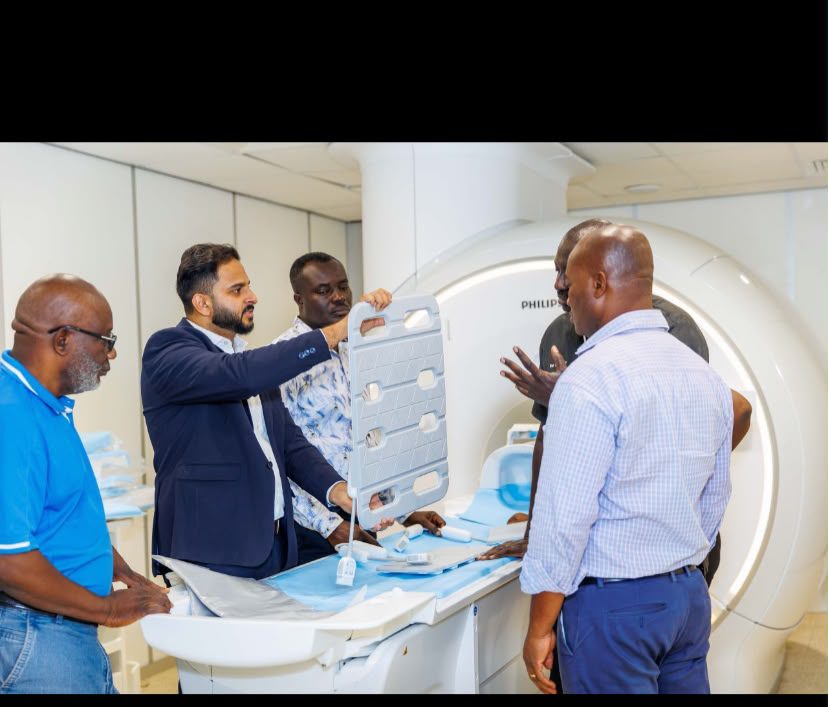
He noted that many patients previously faced considerable financial and logistical difficulties when seeking MRI examinations, often travelling to major urban centres to obtain the necessary services.
According to him, the new facility provides an opportunity for patients to access comprehensive diagnostic assessments within a modern healthcare environment.
Public Private Partnership Model
The project represents a significant example of collaboration between the public and private sectors to improve healthcare infrastructure.
Under the arrangement, private investment is combined with the institutional framework and expertise of the 37 Military Hospital to ensure sustainable management, maintenance, and operation of the equipment.
Stakeholders believe the model could provide a practical solution to recurring challenges associated with maintaining sophisticated medical equipment in public hospitals.
Over the years, several health facilities have experienced disruptions in diagnostic services due to equipment failures and delays in maintenance or replacement.
Officials involved in the project say the partnership approach is intended to guarantee long term operational efficiency while ensuring patients continue to receive reliable services.
Supporting National Healthcare Goals
Healthcare analysts have welcomed the initiative, describing it as an important step toward improving diagnostic healthcare infrastructure nationwide.
Experts argue that timely and accurate diagnosis remains one of the most critical components of effective healthcare delivery, particularly in the management of cancers, strokes, traumatic injuries, and other non communicable diseases.
The project also aligns with broader efforts to strengthen healthcare delivery through investment in medical technology and strategic partnerships.
According to HealthTech Ghana, the 37 Military Hospital diagnostic centre forms part of a wider vision to establish similar facilities across the country through public private partnerships.
The long term objective is to improve access to advanced medical imaging, laboratory diagnostics, and dialysis services regardless of a patient’s location or economic circumstances.
A New Chapter for Diagnostic Healthcare
The launch further reinforces the role of the 37 Military Hospital as one of Ghana’s leading referral and specialist healthcare institutions. The hospital continues to play a central role in delivering advanced healthcare services and supporting medical innovation across the country.
The success of the new diagnostic centre could influence future investments in healthcare technology and encourage similar partnerships aimed at improving access to specialised medical services nationwide.
As the free MRI screening programme begins, health authorities are urging eligible patients to take advantage of the opportunity, stressing that early diagnosis remains one of the most effective ways to improve treatment outcomes and save lives.
READ ALSO: Africa CDC and WHO Launch $518 Million Continental Ebola Response Plan