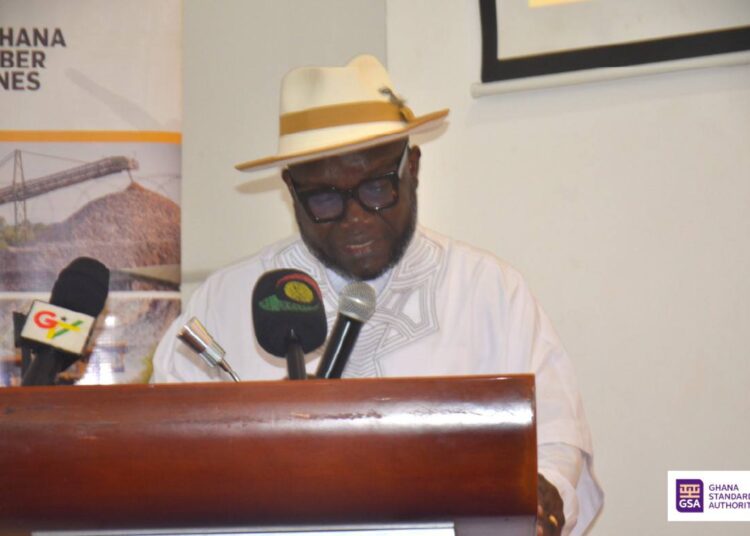
Kenneth Ashigbey, the Chief Executive Officer of the Ghana Chamber of Mines, has dismissed international concerns suggesting that the Ghanaian government is nationalising mining assets.
Addressing the misconceptions surrounding recent developments in the mining sector, Mr. Ashigbey clarified that the administration’s core policy focus is to stimulate domestic participation and indigenous investment in the industry, rather than state takeover.
He emphasized that the distinction between state nationalisation and local ownership is vital for maintaining investor confidence and ensuring the sector remains attractive to global capital.
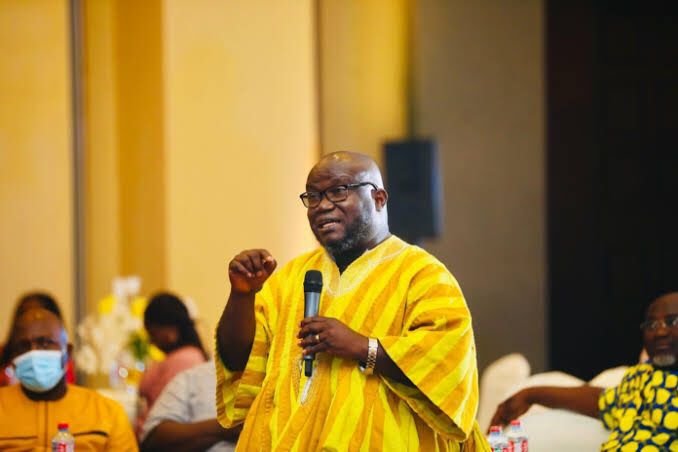
“For me, the first bit, again, government is not as if government wants all mines to be run by Ghanaians; government is not on the bit of nationalising mines. What government is encouraging is for Ghanaians to also own mines, and I think that differential needs to be corrected because it paints the sector in a bad light.”
Kenneth Ashigbey
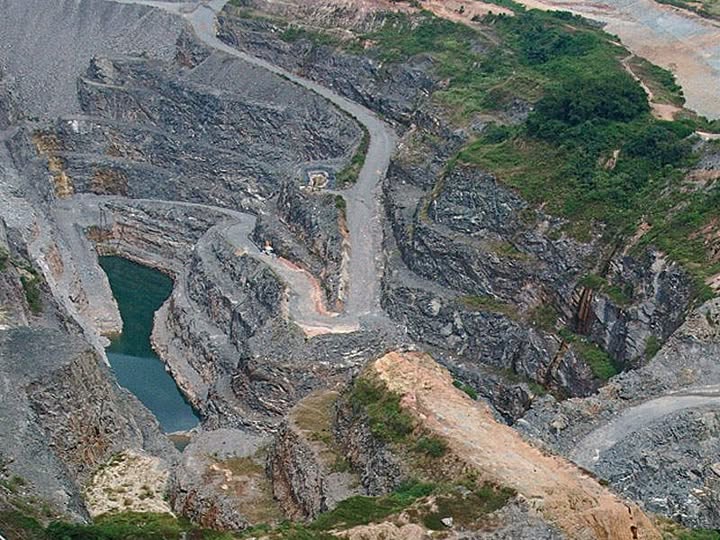
This clarification comes amid international media coverage that has painted a negative light on Ghana’s mining policy, causing unnecessary concern among global investors.
Mr. Ashigbey noted that the “information has gone on in the international press,” and cautioned that such narratives need to be corrected to prevent further damage to Ghana’s reputation.
He further urged the government to be more forceful and transparent in communicating its actual intentions, which aim to replicate mature mining jurisdictions like Australia and South Africa where indigenous companies play a significant role alongside international players.
By advocating for “Ghanaians to also own mines,” the government intends to shift the sector from a purely foreign-dominated model to one where local entrepreneurs are empowered to hold significant stakes.
Addressing the Bogoso-Prestea Challenges

The conversation surrounding local ownership often centers on the complex realities of specific assets, such as the Bogoso-Prestea mine.
Mr. Ashigbey candidly described it as a “difficult mine,” noting that its operational history has been marked by persistent challenges that have deterred many past investors.
He argued that the current struggles associated with the mine should not be conflated with the broader policy of local empowerment while urging the agitated youth of the area to remain calm.
Rather than focusing on the ownership structure as the root cause of these difficulties, Mr. Ashigbey suggested that stakeholders must look at the operational timeline. He noted that Heath Goldfields, for example, has only been in operation for four months, a relatively short period to reverse historical issues.
He added that the company is currently tasked with overcoming inherited liabilities, stating, “you’re not going to be able to clear everything at all,” especially given the additional financial strain caused by external legal injunctions.
Economic Benefits of Local Empowerment
The move to encourage local ownership is viewed by industry experts as a strategic step to deepen the mining sector’s contribution to the national economy.
By transitioning from mere local procurement where Ghanaian companies supply goods and services to actual asset ownership, the country stands to capture a greater share of mineral value.
When local entities hold equity in mines, profits that might otherwise be entirely repatriated are more likely to be reinvested domestically.
This model promotes a “multiplier effect” across the economy, creating opportunities for local high-level management training and industrial capacity building.
Furthermore, it aligns with broader national goals of industrialisation, moving the sector beyond simple extraction to become an engine for sustainable economic growth and wealth retention.
The Path Forward for Investors

The Chamber of Mines remains committed to advocating for a stable regulatory environment that supports both foreign direct investment (FDI) and local participation.
Mr. Ashigbey highlighted that Ghana’s mining sector continues to be a cornerstone of the economy, provided that the narrative surrounding policy changes remains evidence-based.
The focus, he suggested, should shift from speculative fears about nationalisation to concrete discussions on operational efficiency and the maturity of the mining ecosystem.
As Ghana continues to refine its mining policies, the success of current initiatives depends on striking a delicate balance: ensuring that local investors are supported without creating an environment that discourages the international partnerships essential for the high-capital requirements of modern mining operations.
By clarifying the government’s stance, the industry hopes to restore confidence and ensure that the focus remains on building a robust, competitive, and inclusive mining sector that benefits all stakeholders.
READ ALSO: Mahama Pledges Feeding Grant Increase, Amnesty and Hospital for Nsawam Prison