Mr. Richmond Rockson, Spokesperson and Director of Communications at the Ministry of Energy and Green Transition, has identified the reliance on aging and obsolete infrastructure as the primary driver behind the persistent power outages currently affecting parts of the country.
He emphasizes that while power generation capacity has improved significantly, the distribution network the final link between electricity generation and the consumer remains shackled by decades of underinvestment and equipment that has long outlived its functional lifespan.
This technical bottleneck, according to Mr. Rockson, is particularly acute in rapidly developing urban areas where electricity demand has far outpaced the capacity of the installed systems.
“The major challenge has to do with the distribution side, where we are still using very old machines, very old transformers, and very old conductors to operate the system as we speak. Once you have a transformer that does not have the capacity to be able to serve the demand, the transformers will trip, and you are going to experience outages.”
Mr. Richmond Rockson

While the country’s peak demand has surged from approximately 2,000 megawatts a decade ago to a current peak of 4,400 megawatts, the distribution network, including transformers and conductors, has not received the corresponding structural upgrades required to handle this increased load.
This creates a recurring cycle of failure, as transformers frequently trip when they are unable to manage the surge in demand from commercial and residential growth.
The Burden of Antiquated Infrastructure

The impact of this aging equipment is stark, as demonstrated by the case of Lashibi, where a power transformer installed over 23 years ago continues to serve a population that has since tripled in size.
Mr. Rockson notes that these pockets of severe instability are a direct consequence of a “lack of strategic direction” in the past, where the necessary investments in grid maintenance were neglected.
In areas like Tsado, which transitioned from waterlogged terrain to densely populated commercial and residential hubs due to infrastructure development, the failure to simultaneously inject modern equipment has left the grid incapable of maintaining consistent voltage, leading to the low currents often experienced in the Volta and Oti regions.
A Strategic Overhaul of the Grid
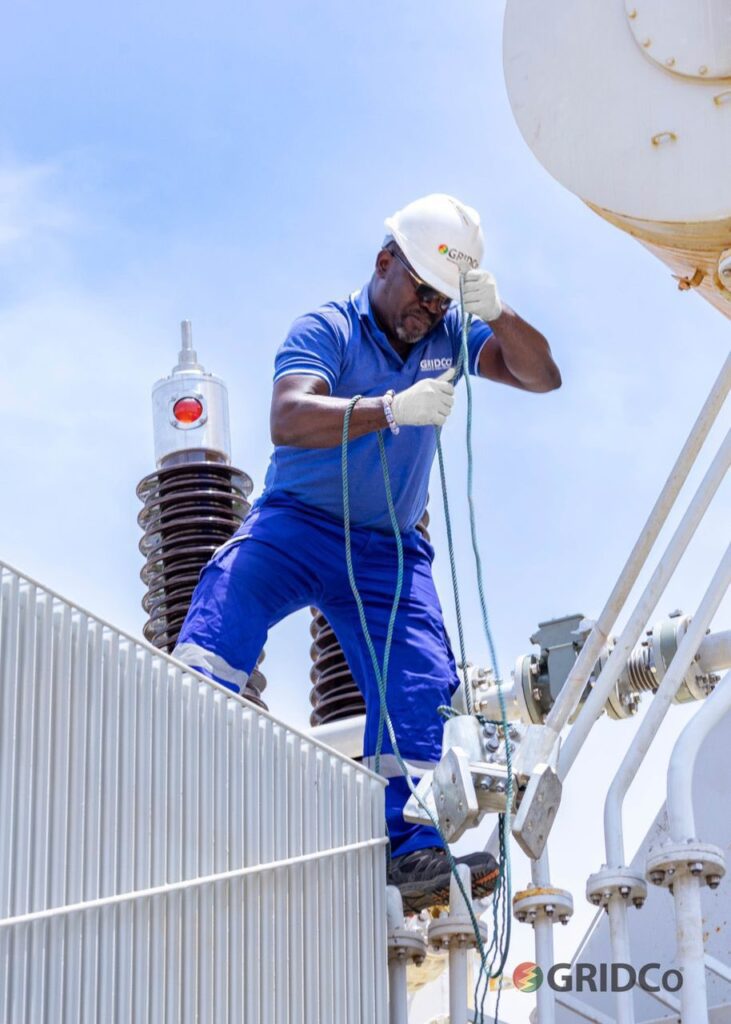
To mitigate these frequent disruptions, the Ministry has conducted a comprehensive review of the entire distribution system to identify and replace vulnerable components.
Mr. Rockson revealed that the government is currently in the process of installing over 3,000 new transformers across the country to bridge the gap between supply and demand.
He defended the current administration’s investment strategy by contrasting it with the previous regime, noting that while the current government is actively deploying essential infrastructure, previous attempts were marred by the procurement of materials that were not prioritized by the Electricity Company of Ghana (ECG) and the Northern Electricity Distribution Company (NEDCo).
Balancing Demand with Modernisation

The ongoing efforts to rehabilitate overloaded feeders and expand substation capacities in high-growth corridors are essential to stabilizing the national grid.
Mr. Rockson acknowledges that the transition from a system burdened by obsolete technology to a robust, modern network will require sustained commitment.
The current administration’s focus remains on replacing these aging assets with modern, high-capacity technology capable of supporting Ghana’s industrial and residential energy needs.
By addressing these isolated but critical failures through massive capital injection, the Ministry aims to ensure that the nation’s power delivery becomes as reliable as its generation capacity.
READ ALSO: Payroll Reforms Remove 67,000 Ghost Names, Save Millions – Dep. Finance Minister