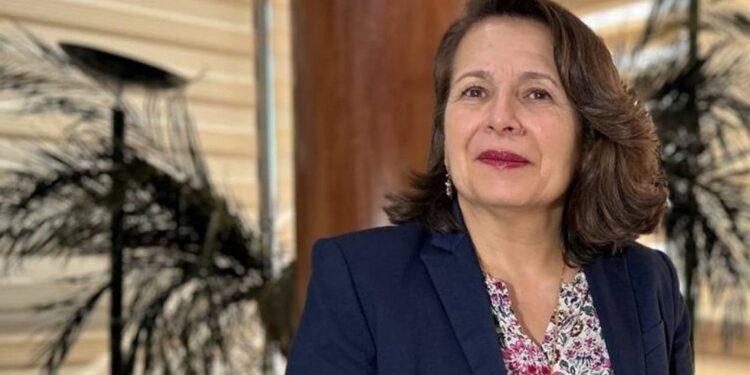
Tunisia’s President, Kais Saied, has dismissed the country’s Minister of Industry, Mines, and Energy, Fatma Thabet Chiboub, in a sudden move that has raised fresh questions about the direction of Tunisia’s economic and energy reforms.
The decision, announced on Tuesday, April 28, 2026, comes as Saied’s government seeks to pass draft laws on renewable energy, which will be put to a vote in parliament .
According to an official statement, the responsibilities of the ministry will be temporarily assumed by Salah Zouari, who currently serves as Minister of Equipment and Housing.
The reshuffle comes at a sensitive time for Tunisia, where the energy sector remains central to economic stability and public services. The abrupt nature of the dismissal has prompted speculation about internal government tensions and the broader implications for ongoing reforms.
The decision followed a high-level meeting held at the Carthage Palace, where President Saied convened with Prime Minister Sara Zafrani Zanziri and members of the cabinet. During what was described as a tense session, the president delivered strong remarks targeting corruption, nepotism, and what he characterised as systemic dysfunction within state institutions.
Saied made it clear that his administration is determined to confront what he described as entrenched practices that undermine governance. He criticised what he called “pockets of reaction, subservience, and corruption,” arguing that certain elements within the system have obstructed reform efforts and contributed to social and economic instability.
He also denounced the prevalence of loyalty-based appointments, warning that such practices have transformed parts of the state into a “spoils system” serving private interests rather than the public good.
Since taking office, Saied has consistently positioned himself as an advocate for restructuring governance systems and addressing corruption, which he views as a root cause of economic hardship and public dissatisfaction.
Alongside the ministerial dismissal, the meeting also focused heavily on socio-economic priorities, particularly the rising cost of living and employment challenges. Authorities approved measures aimed at improving income conditions, including salary and wage increases for both public and private sector workers. In addition, an agreement was reached to raise pensions for retirees over the period from 2026 to 2028, in line with provisions set out in the national finance framework.
These measures are intended to ease financial pressures on households and address growing concerns over economic inequality. The government has faced mounting pressure to deliver tangible improvements in living standards, particularly as inflation and unemployment continue to affect large segments of the population.
Further signalling a focus on employment, the president announced the completion of a new digital platform designed to support the hiring of long-term unemployed individuals. The initiative is expected to play a role in reducing joblessness while reinforcing broader social policy objectives aimed at stability and inclusion.
The departure of Fatma Thabet Chiboub, who held the ministerial position for more than two years, marks the end of a tenure that included oversight of key industrial and energy portfolios. With a background as a chief inspector of economic affairs and a former director of the Industrial Rehabilitation Office, her exit highlight the shifting dynamics within Tunisia’s leadership as the government pursues a more assertive reform agenda.
Saied’s Reform Drive Intensifies Amid Expanding Anti-Corruption Campaign
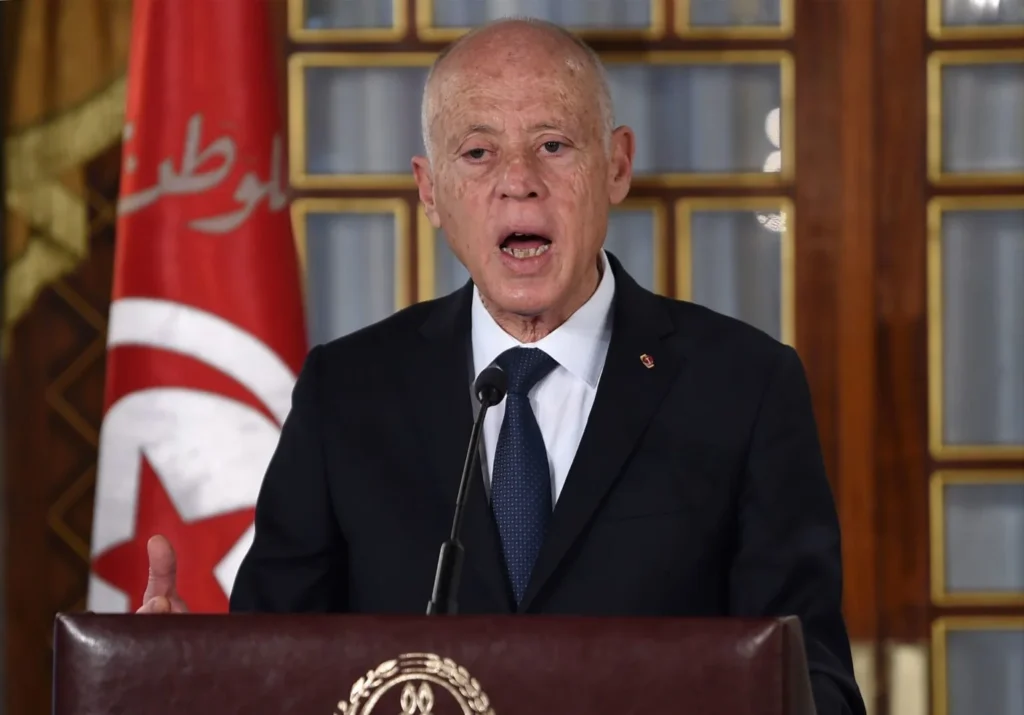
Tunisia’s ongoing reform agenda under President Kais Saied has been closely intertwined with an expansive and often controversial campaign against corruption, as the government seeks to reshape state institutions while addressing long-standing economic and political grievances.
Recently, President Saied initiated sweeping measures that dramatically altered Tunisia’s political landscape. He has also advanced a series of economic reforms aimed at restoring financial stability and reducing reliance on external borrowing. His administration has prioritised domestic financing mechanisms, including the use of local banks and treasury bonds, allowing Tunisia to meet key debt obligations without defaulting. This approach followed a breakdown in negotiations with the International Monetary Fund over proposed economic reforms.
The government has also sought to revive key sectors of the economy, including phosphate production, while investing in infrastructure and industrial development.
At the same time, structural reforms have extended to public administration, with efforts to streamline bureaucratic processes, consolidate state agencies, and introduce fiscal measures targeting unproductive wealth.
Despite signs of macroeconomic stabilisation, including easing inflation and reduced external debt levels, challenges remain significant. High youth unemployment, regional disparities, and vulnerability to external economic shocks continue to test the government’s reform trajectory.
READ ALSO : GRIDCo Fire Outbreak: Energy Minister Commends Engineers, Assures Gov’t Support