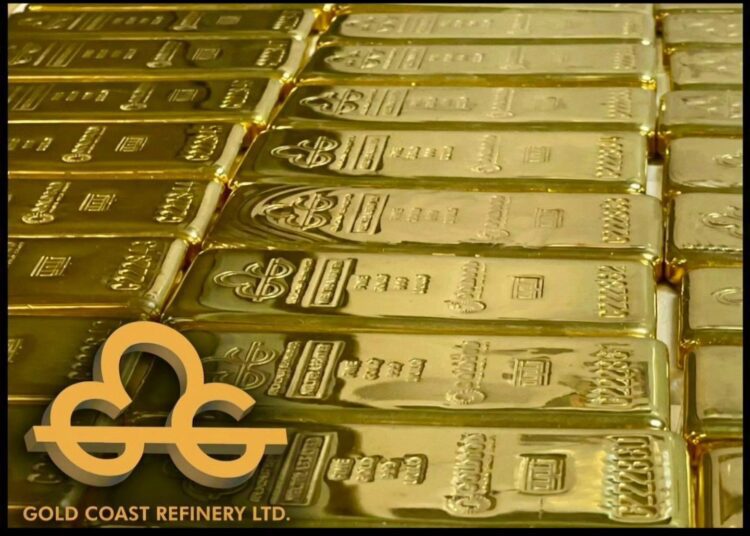
Ghana Gold Board (GoldBod) has initiated a strategic pivot to mandate domestic processing of the nation’s precious mineral resources, effectively signaling an end to the long-standing practice of shipping raw gold overseas.
This industrial recalibration, driven by a presidential directive to halt the exportation of unrefined minerals by 2030, seeks to transition the country from a mere extraction hub into a value-added manufacturing powerhouse.
By institutionalizing local refining, the government aims to rectify systemic economic leakages that have historically undermined the true market value of the country’s output.
Under the leadership of CEO Sammy Gyamfi, Esq., the board is actively developing a robust infrastructure to support this mandate, ensuring that the entire lifecycle of gold production from excavation to final purification is captured within national borders to prevent “avoidable losses” and stimulate long-term macroeconomic stability.
“Ghana’s gold wealth should not only be extracted; it should be refined and secured within Ghana so that more value stays in Ghana—from the small-scale miner and local producer to the national treasury. We owe it to ourselves, our children, and future generations to ensure that our gold is refined locally and benefits our economy.”
Sammy Gyamfi, Esq, GoldBod CEO
Strengthening Economic Sovereignty Through Strategic Partnerships
The core of this policy rests on expanding domestic refining capacity through high-stakes private sector collaborations, most notably with the Royal Ghana Gold Refinery (RGGR).

This initiative, which complements an existing agreement with the Gold Coast Refinery, targets an ambitious milestone: processing at least one metric tonne of gold on a weekly basis.
According to Sammy Gyamfi, this collaborative framework is designed to move beyond simple logistics; it is an “economic imperative” to ensure that the nation stops exporting its potential wealth and begins building a sustainable, resilient financial future.
The shift toward localized processing is underscored by the adoption of internationally recognized technical standards.
By employing fire assay testing and X-ray fluorescence (XRF) assays, the nation plans to exert independent control over the verification of gold purity.
Sammy Gyamfi emphasizes that these technical advancements are crucial because, “Purity is not a technical detail, it’s economic substance,” warning that the lack of domestic preservation in current methods leads to significant, preventable devaluations of the final product.
The Macroeconomic Ripple Effect
The transition to local refining promises to fundamentally alter Ghana’s economic landscape by creating thousands of high-skilled jobs and significantly bolstering state revenues.

With an annual output exceeding 200 metric tonnes, the domestic sector already possesses the necessary scale to support intensive industrial operations.
By capturing the full value chain, the nation is positioning itself to become a premier African hub for gold processing, a move expected to attract substantial foreign direct investment and enhance its reputation as a preferred, business-friendly destination.
This initiative is projected to have a profound “ripple effect” on auxiliary industries, strengthening domestic service providers and encouraging technological innovation within the mining sector.
As the government, under the guidance of the presidency, consolidates its efforts, the broader objective is to transform the industry into a primary engine for national development.
By prioritizing internal value retention, the administration is not merely regulating exports; it is crafting a sophisticated “gold economy” that promises to elevate the standard of living for small-scale miners and the broader population alike.

Paving the Path for Future Prosperity
As Ghana embarks on this industrial transformation, the international community is closely observing the nation’s ability to maintain high global standards while securing its natural heritage.
The strategic focus on local refining serves as a testament to a broader commitment to self-reliance and national autonomy.
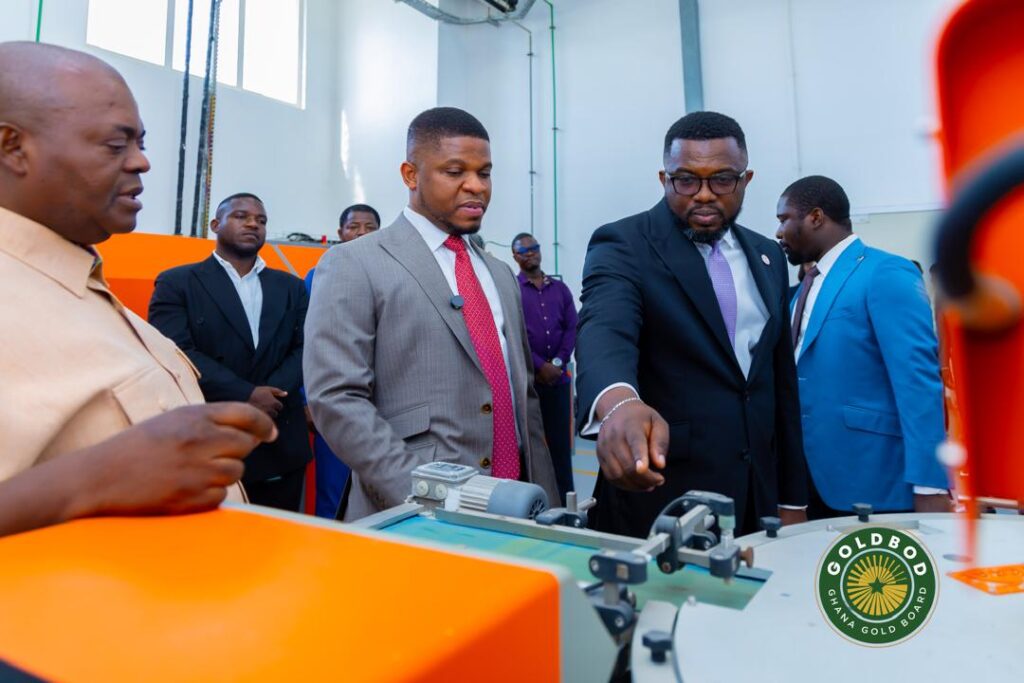
Through the integration of advanced refining techniques and strategic industrial partnerships, the country is actively safeguarding its resources against the volatility of external market processing.
Ultimately, this movement represents a fundamental shift in how the nation views its relationship with its natural resources.
By treating gold as a catalyst for industrial growth rather than a commodity for immediate export, the leadership is charting a course toward a more secure, inclusive, and prosperous future.
The Ghana Gold Board remains confident that the continued synergy between government policy and private sector execution will effectively unlock the country’s hidden potential, ensuring that the legacy of Ghana’s gold sector is defined by the prosperity it brings to its citizens for generations to come.
READ ALSO: Carlos Queiroz Confirms Djiku Will the World Cup Due to Injury