The New Patriotic Party (NPP) has accused the National Democratic Congress (NDC) of repeatedly allowing corruption allegations involving Ghanaian transactions to generate international embarrassment. The party has therefore called for a thorough investigation into the allegations surrounding the “Holy Rain” scandal and other cases it believes demonstrate weaknesses in Ghana’s domestic anti-corruption system.
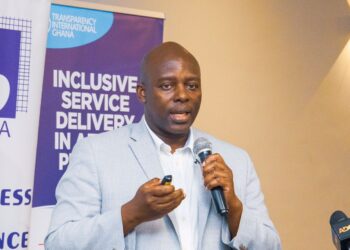
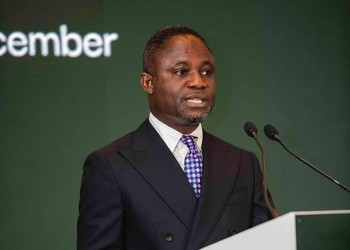
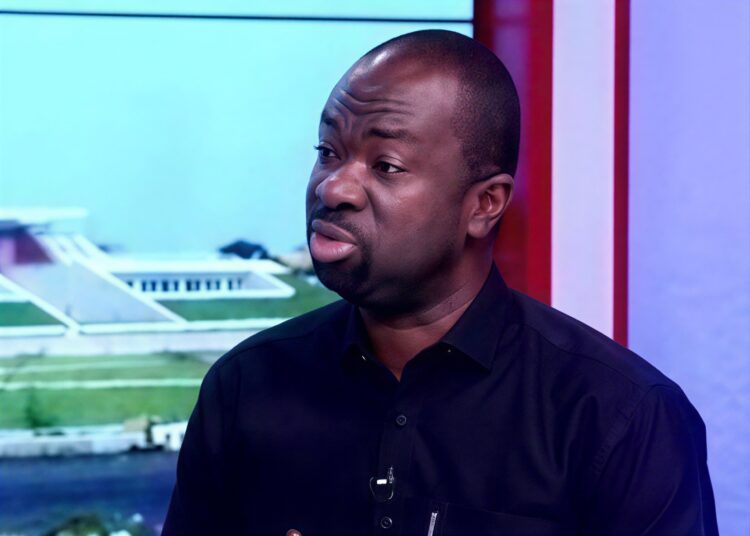
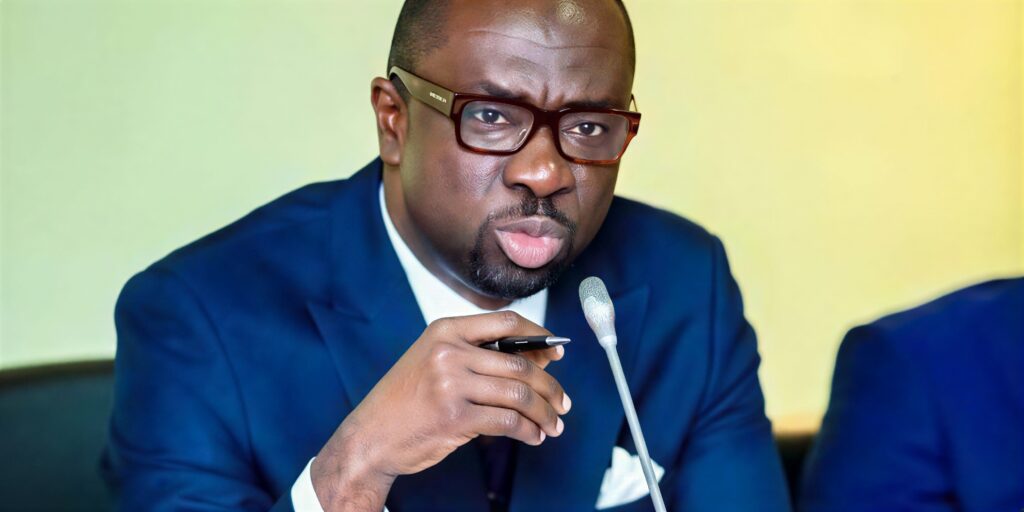
Speaking at a press conference, the Member of Parliament for Manhyia South, Honourable Nana Agyei Baffour Awuah, argued that the latest allegations must be considered against the severe economic hardship Ghanaians experienced during the Dumsor period. He explained that the power crisis created an urgent national need for additional electricity generation while the alleged financial arrangements surrounding the AKSA power project were being pursued.
The Manhyia MP cited estimates from the Institute of Statistical, Social and Economic Research which put the economic cost of Dumsor in 2014 at between $320 million and $920 million. He further referenced an ISSER study involving 885 small and medium sized manufacturing firms which reportedly estimated losses of about $250 million during the crisis.
Accoding to the party, the economic impact extends financial losses as businesses reportedly shut down and thousands of jobs were affected. He argued that these circumstances made the allegations surrounding payments connected to a project intended to address Ghana’s electricity needs especially significant.
The NPP’s presentation is on allegations emerging from proceedings in the United States involving former Goldman Sachs banker Asante Berko. Prosecutors in the United States alleged that more than $1 million in bribes were paid to Ghanaian government officials in connection with efforts to secure approval for a power plant project for Turkish energy company AKSA.
Against this backdrop, Honourable Awuah argued that Ghanaian institutions should examine the evidence and determine whether any public officials or politically connected individuals benefited from the alleged arrangements. He stressed that the party was raising questions arising from the proceedings and calling for investigation without determining the criminal responsibility of individuals.
“The issue is larger than partisan politics. We are witnessing a troubling pattern in which allegations of corruption involving Ghanaian transactions have repeatedly come to light through proceedings, investigations, or settlements outside Ghana.”
Honourable Nana Agyei Baffour Awuah
The Manhyia MP further pointed to an alleged payment ledger introduced during the United States proceedings as material requiring examination. He urged investigators to compare the information contained in the court record with financial records, official correspondence, procurement documents and records of decisions relating to the project.
The NPP consequently wants the relevant investigative bodies to obtain the complete court records and trace the alleged payments. Honourable Awuah indicated that such an exercise should establish the identities of beneficiaries and intermediaries while examining whether the money influenced official decisions.
Opposition Warns Of “Pattern Ghanaians Cannot Ignore” In Corruption Cases
The NPP also presented historical cases to support its call for stronger domestic mechanisms for investigating corruption. The party argues that previous international proceedings involving Ghana demonstrate the need for institutions within the country to respond effectively to allegations before they become matters for foreign courts.
Honourable Awuah referred to the KASAM and Scancem matter in Norway as one example that entered public discussion through proceedings before the Asker and Bærum District Court in 2007. He cautioned that the circumstances surrounding that case should be distinguished from matters where specific individuals were formally convicted.
The presentation then moved to the Mabey and Johnson case, which involved a British construction company that pleaded guilty in the United Kingdom in 2009 to overseas corruption offences. The company was ordered to pay financial penalties and reparations following proceedings that included allegations concerning Ghana.
According to the Manhyia MP, the significance of such cases lies in the repeated appearance of Ghanaian transactions within foreign investigations and court proceedings. He argued that Ghana must develop stronger mechanisms capable of investigating allegations locally and establishing accountability through its own institutions.
The NPP also referenced the Armajaro matter while urging caution over the distinction between allegations and proven criminal conduct. Honourable Awuah noted that the matter involved a cocoa buying company that faced restrictions in Ghana before those restrictions were lifted, alongside reported lobbying by a British cabinet minister on the company’s behalf.
The Airbus matter was also referenced as another case in which the NPP believes the name of President Mahama or a relative appeared in an international investigation. The Manhyia MP stressed that the cases were not necessarily legally identical and argued that their relevance lies in the wider question of how allegations involving Ghanaian public transactions are handled.
“We, therefore, believe it is necessary to recall some of these instances, not to suggest that they are legally identical, but to demonstrate why Ghana must strengthen its domestic mechanism for investigating and prosecuting corruption.”
Honourable Nana Agyei Baffour Awuah
Furthermore, Honourable Awuah argued that allegations involving public officials should receive independent investigation regardless of political affiliation. He emphasised that the credibility of Ghana’s institutions depends on their ability to examine evidence and pursue appropriate action when credible allegations emerge.