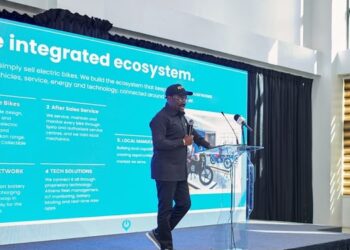
Aephaniel Owusu-Agyemang, a prominent Energy Economist, has strongly urged governments to shift their strategic focus toward developing a robust domestic petrochemical industry as a primary means to extract maximum value from the petroleum sector.
Rather than continuing a traditional, near-exclusive reliance on upstream raw crude exports, Owusu-Agyemang posited that national authorities must proactively invest in downstream industrial avenues.
By pivoting toward the domestic manufacturing of essential sub-products such as agricultural fertilizers, industrial chemicals, and pharmaceuticals, countries can successfully capture the extensive economic margins that are typically lost when raw petroleum is shipped abroad.
The energy analyst emphasized that the establishment of these localized manufacturing frameworks is arguably the most vital structural shift required by modern resource-rich governments seeking to build sustainable, self-reliant economic ecosystems.
“Some of the industries that governments can actually look into is actually developing a proper petrochemical industry, where governments are going to invest in areas such as fertilisers, industrial chemicals, and pharmaceuticals, where they use some of these petroleum products in their production.”
Aephaniel Owusu-Agyemang, a prominent Energy Economist
Mr. Owusu-Agyemang detailed how a sustained governmental commitment to the downstream sector fosters long-term, self-sustaining industrial growth that significantly enhances overall gross domestic product (GDP).

The economist emphasized that a critical pillar of this economic transformation involves bolstering domestic refining capacity by extending aggressive financial and policy support to both public and private refineries.
This holistic expansion of domestic crude processing acts as a natural economic shield, systematically lowering the steep exchange rate costs, hefty freight charges, and expensive insurance premiums associated with importing refined petroleum products.
By processing crude oil within home borders, nation-states can retain massive amounts of capital that would otherwise exit the domestic market.
Consequently, these saved financial resources remain active within the local economy, fueling robust internal production cycles and shielding the country from volatile international shipping and currency fluctuations.
Retaining Local Capital and Stabilizing Macroeconomic Indicators
The financial wisdom of transitioning from an export-reliant crude economy to a value-added model is rooted in the preservation of national wealth.
When a country exports raw crude and subsequently imports refined petroleum products, it exposes itself to a structural economic deficit known as “value destruction.”

By aggressively supporting both public and private domestic refineries, a government effectively plugs these fiscal leaks.
Retaining these massive capital flows inside the country creates a multiplier effect where money circulates locally, generating corporate tax revenues, boosting banking liquidity, and financing local infrastructure.
Furthermore, drastically minimizing the import of refined fuel cuts down the demand for foreign currencies, thereby stabilizing the local legal tender against major global trading currencies and curbing imported inflation.
Maximizing Industrial Links and Boosting Agricultural Resilience
A robust petrochemical industry acts as a massive catalyst for multi-sectoral growth, creating deep industrial linkages that benefit the broader economy.
Beyond the direct production of plastics and synthetic materials, the synthesis of domestic industrial chemicals provides affordable, locally sourced raw materials for manufacturing, construction, and consumer goods sectors.
Simultaneously, the domestic production of petroleum-derived fertilizers provides a monumental boost to the agricultural sector.
By utilizing oil revenues to subsidize and develop domestic agro-chemicals, governments can systematically transition away from exporting raw agricultural commodities.

This strategic intervention fosters advanced agricultural value addition, boosts food security, lowers production overheads for farmers, and allows the country to export high-value processed agro-products to the global market.
Driving Sustainable Economic Growth and Improving Citizen Livelihoods
Ultimately, the structural realignment of the energy sector serves as the fundamental engine for real, measurable economic growth and the holistic improvement of human livelihoods.
The establishment of refinery clusters and petrochemical plants creates thousands of high-skilled, high-paying jobs in engineering, chemistry, logistics, and corporate management, successfully addressing urban unemployment.
By implementing strategic national policies that mandate the reinvestment of oil revenues directly into value-added industries, governments can move away from the volatile “boom-and-bust” cycles of raw commodity markets.
The steady, diversified revenue streams generated from finished industrial and agricultural exports ensure fiscal stability.
This financial security empowers governments to consistently fund public welfare, healthcare, and educational programs, ensuring that the inherent wealth of natural resources translates directly into tangible prosperity for ordinary citizens.
READ ALSO: Atletico Madrid Knock Back Real Madrid’s €150m Offer For Julian Alvarez