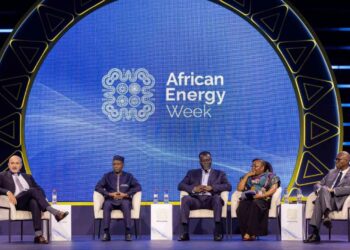

Hon. John Abdulai Jinapor, the Minister of Energy and Green Transition, has declared that Ghana is firmly on a path toward eliminating its heavy reliance on imported refined petroleum products and transitioning into a major net exporter of finished oil products across the West African sub-region.
This strategic economic turnaround follows the historic delivery of the first-ever parcel of domestic crude oil from the Jubilee Field to the privately owned Sentuo Oil Refinery for local processing.
By redirecting the nation’s sweet light crude away from total foreign exportation and into domestic processing units, the government aims to retain maximum economic value within the country, stabilize the local currency, and buffer the domestic market against the erratic price shocks that dictate the international energy landscape.
“If these two refineries are processing at their peak, Ghana would no longer need to import crude oil. We would rather become an oil exporter when it comes to finished products. And from what we are doing, and from what we are witnessing, it is obvious that under His Excellency President John Dramani Mahama, we are on course and we are resetting the country and making it functioning for the Republic of Ghana.”
Hon. John Abdulai Jinapor, the Minister of Energy and Green Transition

The policy shift directly expands the state’s broader macroeconomic stabilization plan by fostering strategic public-private partnerships within the downstream energy industry.
Currently, the Sentuo Oil Refinery stands as a monument of industrialization, operating a phase-one configuration that processes 40,000 barrels per stream day, with rapid structural mechanisms already underway to roll out a phase-two expansion that will inject an extra 60,000 barrels per day.
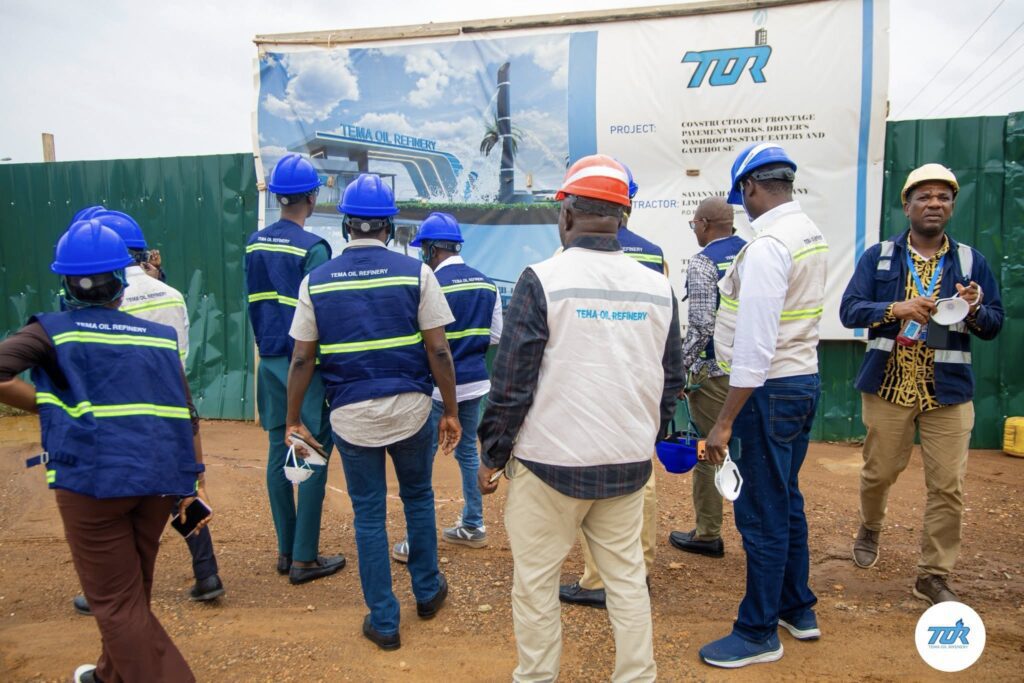
Once fully operational, this expansion will push Sentuo’s standalone capacity to its optimal design of 100,000 barrels per day, which, when combined with the simultaneous revitalization of the state-owned Tema Oil Refinery (TOR) which has concurrently taken delivery of 1 million barrels of crude oil will effectively satisfy domestic consumption and create a structural surplus of finished petroleum products exclusively bound for the international market.
Revitalizing Domestic Refining Capacity and Undoing Historical Mishaps
The energy minister recalled that the journey toward local refining self-sufficiency has been fraught with severe operational gaps and historic policy oversights that previously stunted Ghana’s industrial growth.
In 2016, under the initial execution of the ruling administration’s downstream vision, approximately 1 million barrels of crude oil were successfully delivered from the country’s oil fields to the Tema Oil Refinery for local processing.

“Unfortunately, however, and this is very unfortunate, we left office soon after we delivered that parcel of crude oil and the rest is history,” Jinapor noted, referencing the lengthy operational stagnation and subsequent near-collapse that forced the state-owned refinery to be put up for sale in subsequent years.
The current paradigm shift, however, represents an institutional reset that systematically addresses past policy failures.
By aggressively incorporating the Sentuo Oil Refinery which has emerged “undoubtedly as one of the most significant private sector investments in Ghana’s downstream industry” the state is diversifying its operational channels.
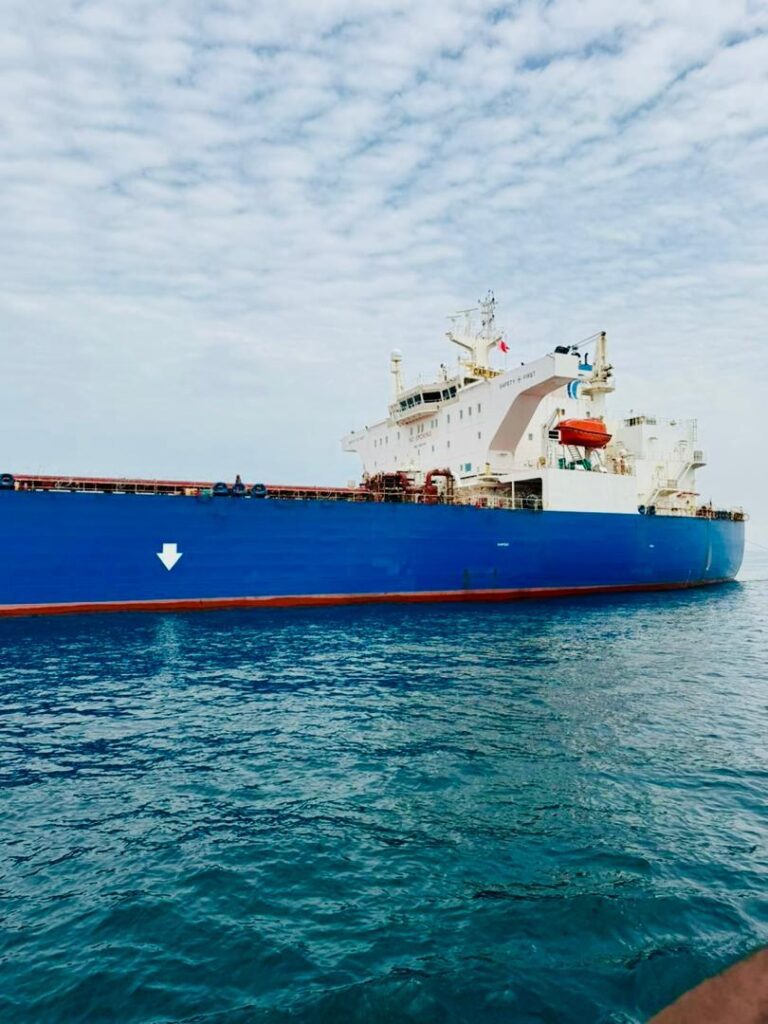
Rather than allowing critical infrastructure to remain idle or relying solely on a single state facility, the simultaneous allocation of raw feedstock to both Sentuo and TOR ensures that local value addition is permanently insulated from bureaucratic bottlenecks.
Buffering the Local Economy Against Global Geopolitical Shockwaves
Beyond the immediate industrial advantages, the domestic processing of Jubilee crude acts as a crucial macroeconomic shield during times of severe international instability.

The extreme significance of the local refining milestone became glaringly apparent following the recent outbreak of the conflict between the United States and Iran, an international crisis that threatened to disrupt vital global energy transit corridors.
During global blockades or geopolitical standoffs, the closing of critical shipping lanes like the Strait of Hormuz triggers an instantaneous spike in shipping freight charges and astronomical maritime insurance premiums for landing finished products on Ghanaian shores.
By utilizing domestic refining capacity, Ghana effectively eliminates the costly process of shipping its raw crude to Europe only to buy it back later as premium expensive finished fuel.
Industry experts indicate that sustaining this internal crude allocation loop will radically drive down pump prices for ordinary citizens by eliminating foreign middleman fees, international shipping logistics, and volatile insurance premiums.

The retention of this processing cycle within the boundaries of the republic provides a stable, predictable supply of fuel that safeguards the transport, agricultural, and manufacturing sectors from imported inflation.
Shifting the Balance of Trade and Driving Regional Petrochemical Dominance
The long-term economic extension of this refining strategy will completely alter Ghana’s balance of payments and reshape its position within the West African sub-region.
For over a decade, the country has suffered an acute bleeding of its foreign exchange reserves due to the endless demand for US dollars required by Bulk Oil Distribution Companies (BDCs) to import refined petroleum products.
By converting domestic crude into high-value finished products locally, Ghana will drastically cut its import bill, thereby relieving structural pressure on the Ghanaian Cedi and fostering long-term currency appreciation.
READ ALSO: Funding Alone Won’t End Accra’s Perennial Flooding, IMANI Warns