
Ghana have suffered a major setback ahead of their opening match of the 2026 FIFA World Cup after midfielder Thomas Partey was denied a visa to enter Canada, ruling him out of the Black Stars’ first Group Stage fixture against Panama.
Partey, who has been training with the national team at their base camp in Boston, United States, will be unable to travel with the squad for the game scheduled for Wednesday, 17 June in Toronto.
Confirming the development, FIFA released a statement explaining that the experienced midfielder’s visa application had been rejected by Canadian authorities.
“FIFA can confirm that player Thomas Partey will be unable to travel from Ghana’s Team Base Camp in Boston, USA, to Canada for their first match against Panama on Wednesday, 17 June, as his visa application has been refused by the Canadian government.”
FIFA
The decision comes as a significant blow to Ghana’s preparations, with Partey expected to play a central role in the team’s World Cup campaign due to his experience and leadership in midfield.
FIFA Distances Itself From Visa Decision
Following widespread reactions to the news, FIFA clarified that it has no authority over the immigration policies of host nations and therefore could not influence the outcome of Partey’s application.

A spokesperson for the world football governing body stressed that entry decisions remain the sole responsibility of the relevant government agencies. “FIFA is not involved in the immigration processes of host countries, including the adjudication of visas. As with previous FIFA events, the host government ultimately determines who receives a visa and is admitted into the country.”
The statement effectively ruled out any suggestion that FIFA had intervened in the process or had the power to overturn the Canadian government’s decision.
Canada is one of the three co-hosts of the 2026 FIFA World Cup alongside the United States and Mexico, with participating teams expected to travel freely across the three nations as fixtures require.
However, immigration and border control matters remain under the jurisdiction of each individual country, meaning entry approvals are assessed independently.
Questions Raised Over Grounds for Refusal
The visa denial has sparked discussion among football observers, particularly because Partey has not been convicted of any criminal offence.
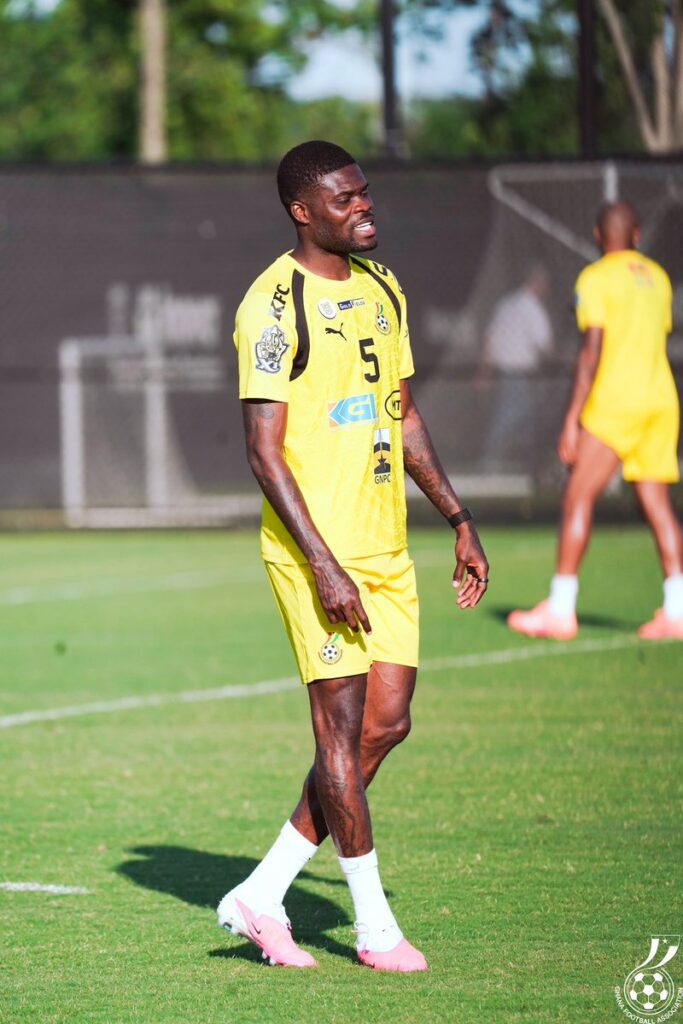
The Ghana international is currently facing charges in the United Kingdom relating to alleged rape. He has pleaded not guilty to the allegations, and legal proceedings remain ongoing.
The case has attracted significant public attention since it became public, but Partey continues to enjoy the legal presumption of innocence unless proven guilty in court.
For that reason, it questionable as to why the Canadian authorities chose to deny his visa application, especially given that no conviction has been secured against the player.
Canadian officials have not publicly disclosed the specific reasons behind the decision, citing privacy and immigration regulations that generally prevent authorities from commenting on individual applications.
The development leaves Ghana without one of its most accomplished players for a crucial opening encounter against Panama. Partey has been a key figure for the Black Stars over the past decade and is widely regarded as one of the team’s most influential midfielders.
His absence is expected to place additional responsibility on Ghana’s younger midfield options as the four-time African champions seek a positive start to their World Cup campaign.
With kickoff fast approaching, head coach Carlos Queiroz and technical staff will now be forced to adjust their plans and alter their playing patterns as former Arsenal and Atletico Madrid midfielder is set to sit out the Panama game.
While Ghana remain hopeful that Partey’s situation could change for subsequent matches should immigration matters be resolved, the immediate focus will be on navigating their opening challenge against Panama without one of their most experienced performers.