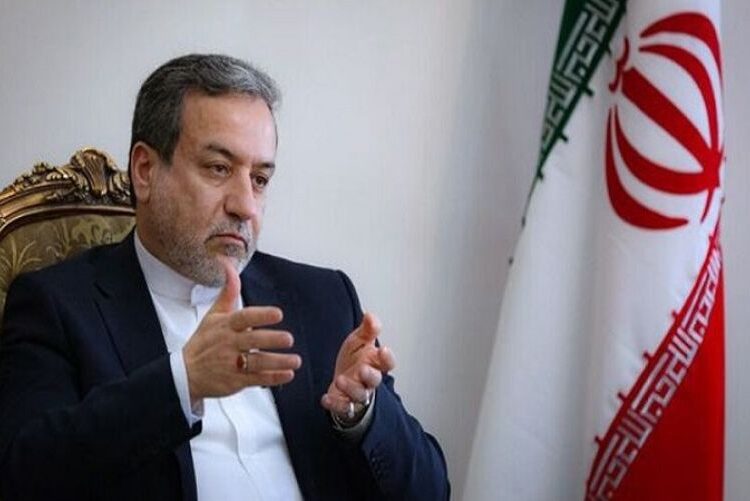
Iranian Foreign Minister Abbas Araghchi has warned that Tehran would view any Israeli attack on Lebanon or continued occupation of the country as a violation of its Memoradum of Understanding with the US.
In a statement that raise questions about the yet-to-be published agreement and whether disagreement over its terms could prolong conflict, Iran’s top diplomat said that the deal ending the war with the United States would also require Israel to withdraw from Lebanon.
“The end of the war in Lebanon is an inseparable part of complete end of the war. Without the withdrawal of Israeli forces from the territories they occupied during this war, the war has not fully come to an end.”
Abbas Araghchi
Araghchi said that further Israeli attacks on Lebanon “will be considered by us a violation of the Memorandum of Understanding.”
The United States has not said whether Lebanon was part of the final agreement. Pakistan Prime Minister Shebaz Sharif, who first announced the deal, said that the Memorandum of Understanding would include “the immediate and permanent termination of military operations on all fronts, including in Lebanon.”
However, Araghchi’s description clashes with statements made by Israeli officials about the deal to end the war that started with joint U.S.-Israeli airstrikes on Feb. 28.
Israel is not party to the agreement and yesterday, Prime Minister Benjamin Netanyahu described it as Trump’s decision, noting Israel had its own priorities.
Netanyahu vowed to continue Israel’s occupations of Lebanese and Syrian territory, despite the announcement of a ceasefire agreement between the United States and Iran that links to those hostilities. Netanyahu told a press conference that Israel’s forces will remain in Lebanon, where it occupies around 570sq km (220sq miles) of territory.
Israel’s conflict with the Lebanese armed group Hezbollah, which is backed by Iran, has killed more than 3,000 people. “We will stay in the Lebanon security buffer zone for as long as necessary,” Netanyahu told reporters.
Israel has been involved in a war with Hezbollah since October 2023 and launched cross-border raids in October 2024. This later developed into a full-scale invasion of Lebanon, and Israel now occupies territory beyond the Litani River that runs across southern Lebanon – the official end point of Israel’s self-declared “security zone.”
On Sunday, Israel launched a strike on Beirut’s suburbs, killing three people – an attack perceived as crossing one of Iran’s red lines concerning the deal with the US. The strike reportedly angered US President Donald Trump, who was worried that it could disrupt progress towards the ceasefire. However, despite threats of retaliation by Tehran, the memorandum of understanding linked to the agreement was announced.
Netanyahu was reported as saying during the press conference that he does not always “see eye to eye” with Trump and claimed that Israel’s war with Iran was an overall win for the country.
“Many times we see eye to eye, and there are also cases in which we see less eye to eye. I am responsible for Israel’s security interests. I stand up for them. Iran will never have nuclear weapons, not today and not tomorrow… We beheaded the leaders of the terror regime, we crushed the terror factories.”
Benjamin Netanyahu
Israel’s Defence Minister, Israel Katz vowed earlier yesterday that Israel will not withdraw from territory it has occupied since 2023.
“Prime Minister Benjamin Netanyahu and I are pursuing a clear policy of maintaining the Israeli army in the security zones in Lebanon, Syria and Gaza, without setting a time limit, in order to protect Israel’s borders and towns from jihadist elements. We oppose the withdrawal of the Israeli army from Lebanon, despite all current and future pressures.”
Israel Katz
Analyst Deems Araghchi’s Warning A Signal To U.S
Defence Analyst Alex Alfirraz Scheers said that Araghchi’s warning that Tehran will view any continued Israeli occupation of Lebanon as a violation of the memorandum of understanding signals to Washington “the onus is on them to ensure they exert sufficient influence over the Israelis.”
“This is going to be one of the big challenges for the US going forward. There’s no clear indication in my mind that Trump has the sufficient influence on Netanyahu to rein in his worst impulses.”
Alex Alfirraz Scheers
Scheers said that while the US has options to influence Israeli action, such as withholding military or political aid, “whether Trump is willing to do that publicly remains to be seen.” “But I think the Trump administration knows that the biggest threat to the negotiations going forward is Israeli military activity [in Lebanon],” he added.
READ ALSO: GIZ Ghana Supports Gov’t to Advance Sustainable Energy Investments in Public Facilities