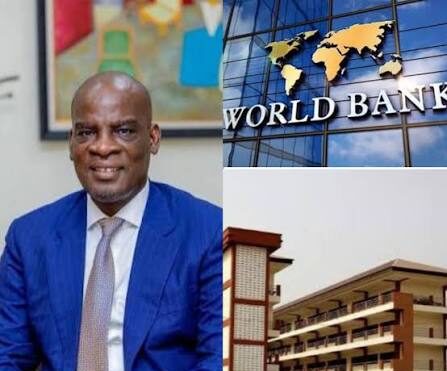
The World Bank has approved a financing package of US$300 million to support Ghana’s transition from the double-track system in secondary education through the implementation of the “Transformative Secondary Education for Access, Results and Relevance for Jobs (STARR-J) Project”.
In a press statement issued on June 17, 2026, the Ministry said the World Bank Board approved the funding to support the Government of Ghana in implementing the STARR-J Project.
The initiative is a major intervention aimed at strengthening the country’s secondary education system by expanding access, improving quality and relevance, and addressing critical infrastructure deficits arising from the expansion of Free Senior High School (Free SHS).
According to the Ministry, the principal objectives of the project is to support the Government’s commitment to ending the double-track system in Senior High Schools across the country.
Targeted Investment in Educational Infrastructure
In the statement, the ministry explained that through targeted investments in educational infrastructure, improved learning conditions and enhanced system efficiency, the government expects that by 2027, no secondary school in Ghana will be operating under the double-track system.

The Minister for Education, Hon. Haruna Iddrisu, said the significance of the approval, describing the financing as a major investment in Ghana’s future and a critical step toward improving access to quality secondary education.
“This project is a major investment in Ghana’s growing youthful population and a strategic contribution to the country’s long-term human capital development and global competitiveness.
“It will help expand learning opportunities, improve school conditions, better align secondary education with the skills demanded by the labour market, and, more importantly, respond to the infrastructure deficit associated with expanded access to Free Secondary Education.”
Ministry of Education
The approval represents one of the largest recent investments in Ghana’s secondary education sector and comes as government intensifies efforts to improve infrastructure and eliminate challenges created by increased enrolment following the introduction of the Free Senior High School policy.
Since the implementation of Free SHS in 2017, enrolment in public senior high schools has increased significantly, placing pressure on existing classroom facilities, dormitories, laboratories, dining halls and other essential infrastructure.

To accommodate the growing student population, many schools adopted the double-track system, allowing students to attend school in alternating academic calendars while infrastructure expansion continued.
Although the policy succeeded in widening access to secondary education, stakeholders including education experts, parents and teacher unions have consistently called for sustained investment to eliminate the double-track arrangement through expanded infrastructure and improved resource allocation.
STARR-J Project to Improve Learning Environment
The Ministry indicated that the STARR-J Project directly addresses these concerns by focusing on improving learning environments while strengthening the overall quality and relevance of secondary education.
Beyond expanding physical infrastructure, the project seeks to improve educational outcomes by ensuring that students acquire knowledge and practical skills that respond to changing labour market demands and Ghana’s long-term development priorities.
The Ministry further noted that the initiative reaffirms the government’s commitment to ensuring equitable access to quality secondary education and equipping Ghanaian students with the knowledge and skills required to thrive in an increasingly competitive global economy.
The ministry also acknowledged the support of key development partners and government institutions that contributed to securing the financing package.
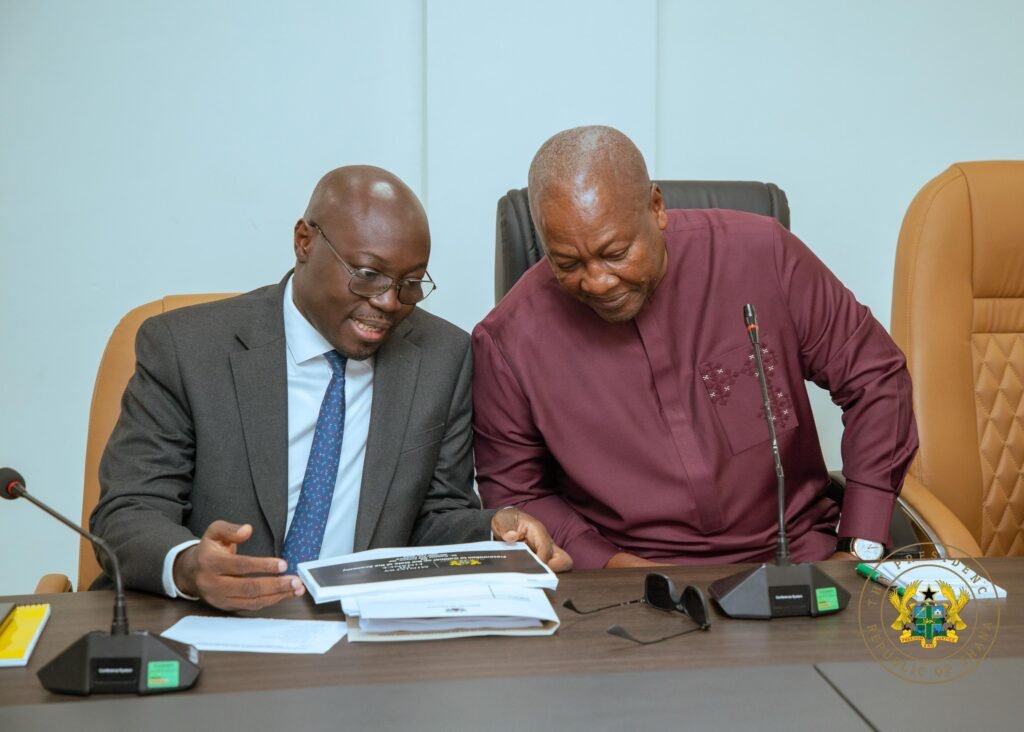
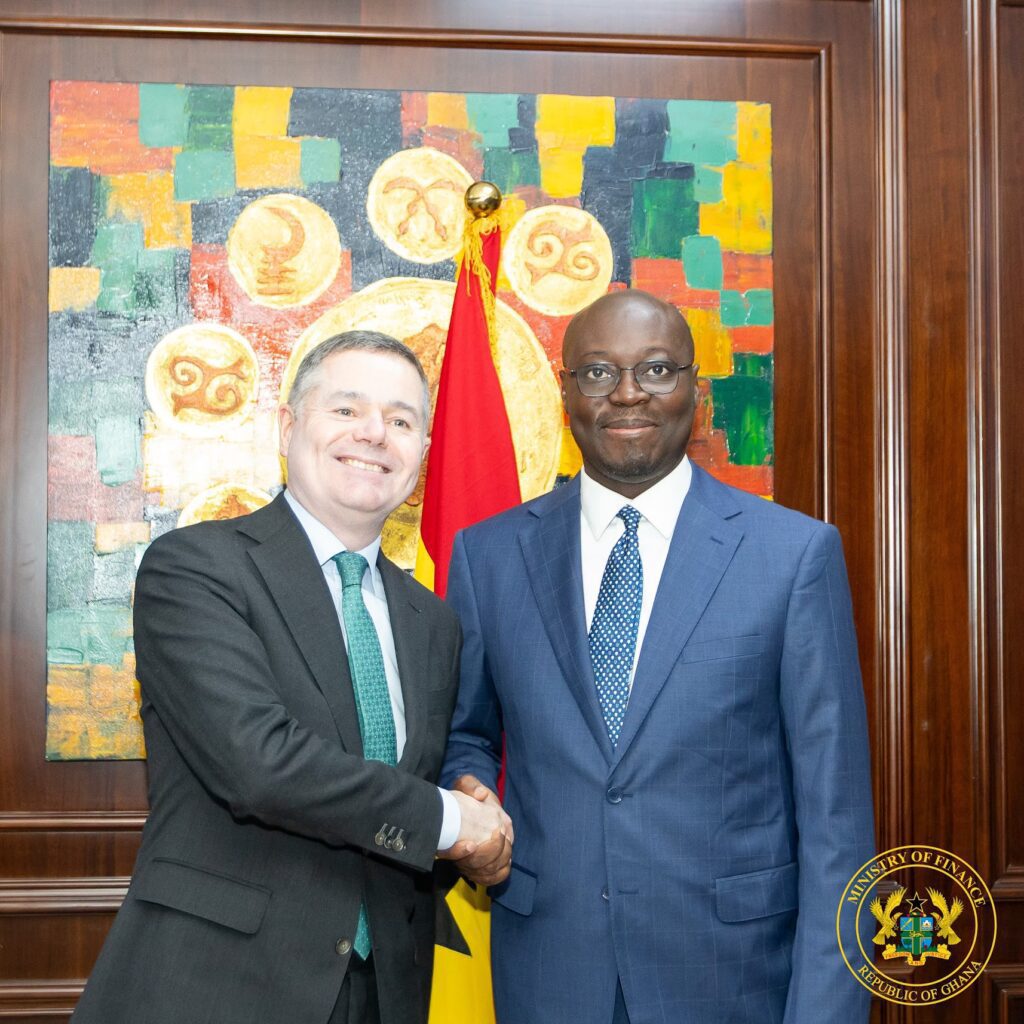
“The Ministry of Education expresses its appreciation to the World Bank Country Director, Robert Taliercio O’Brien, the World Bank Education team, and the Ministry of Finance led by Dr. Cassiel Ato Forson, for their continued support towards the transformation of Ghana’s Education Sector.”
Ministry of Education
Ghana and World Bank Collaboration
The collaboration between the Government of Ghana and the World Bank reflects a long-standing partnership in the education sector development.
Over the years, the World Bank has supported Ghana through projects aimed at improving basic education, teacher effectiveness, learning assessment, education management systems and skills development.
Education analysts believe the STARR-J Project will build on these interventions by addressing infrastructure constraints while improving teaching and learning conditions across the country’s secondary schools.
The project is also expected to contribute to broader national development objectives by strengthening human capital development and preparing graduates with competencies that align with evolving economic and technological demands.
The Ministry’s announcement comes at a time when government is pursuing several reforms across the education sector, including curriculum reviews, increased emphasis on foundational learning, digital transformation, technical and vocational education, and the integration of emerging fields such as Artificial Intelligence, coding and robotics into the education system.
They say these reforms are intended to improve learning outcomes while ensuring that Ghana’s education system remains responsive to global trends and national development needs.
Modernizing Secondary Education
The approval of the US$300 million financing package therefore provides significant momentum for government’s efforts to modernise secondary education and fulfil its commitment to ending the double-track system.
If successfully implemented, the STARR-J Project is expected to improve infrastructure, enhance learning conditions, increase educational access, strengthen system efficiency and ensure that students across the country benefit from a more conducive learning environment.
With the World Bank’s approval now secured, attention will turn to the implementation of the project as government works toward achieving its target of eliminating the double-track system by 2027 while strengthening the quality, accessibility and relevance of secondary education for future generations of Ghanaian learners.
READ ALSO: Ato Forson Leads NDC Race with 32.5% Among Voters – Poll