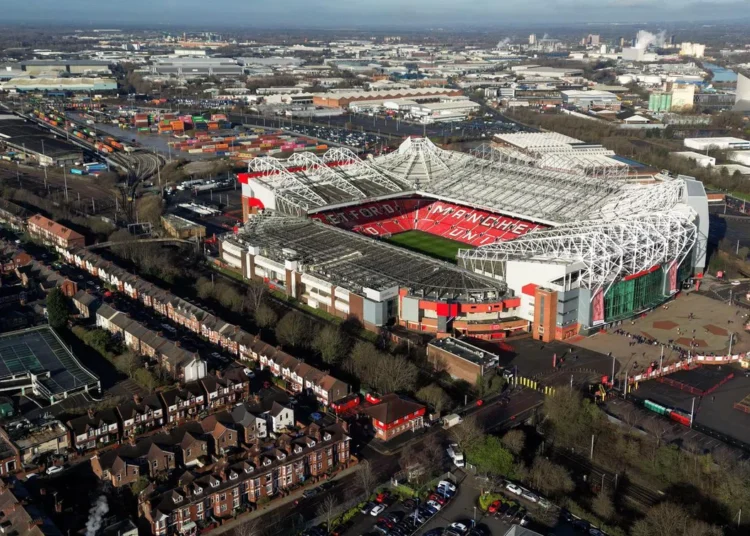
Manchester United have taken a significant step toward reshaping its long-term future after confirming the acquisition of the majority of land required for a proposed 100,000-seat stadium.
The development marks a crucial milestone in the club’s ambition to transform the Old Trafford district into a global sporting and entertainment hub.
The new stadium, planned as the largest in the United Kingdom, is expected to sit within a wider redevelopment zone designed to reshape the surrounding area. The club says the project will not only modernise its home but also act as a catalyst for “large-scale urban renewal” across Trafford.
The land secured covers a 25-acre site located approximately 350 metres north-west of the current Old Trafford stadium. It was acquired from Indurent, a Blackstone-owned industrial property company.
The club confirmed it will engage with businesses currently operating on the site to support them through the transition process.
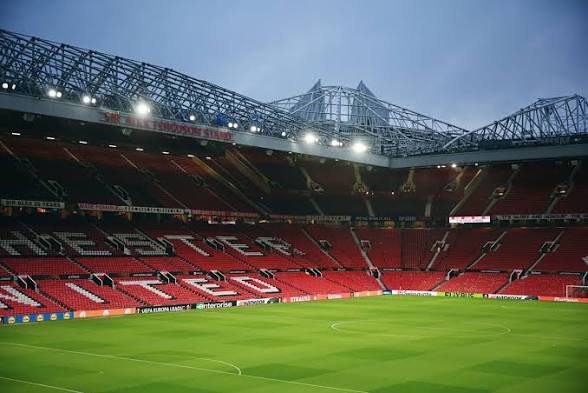
Alongside the stadium development, Manchester United officials say they are working closely with local authorities and regeneration partners to ensure the project aligns with wider infrastructure and community plans for the Old Trafford area.
Land Acquisition And Site Strategy
The club’s purchase of the 25-acre site represents what officials describe as a foundational step in delivering the wider stadium vision. The club aims to retain continuity with its historic home while enabling large-scale modern redevelopment.
Manchester United have confirmed that discussions will continue with Trafford Council and the Old Trafford Regeneration Mayoral Development Corporation (OTRMDC) to ensure the project integrates with long-term planning frameworks.
The location is expected to improve connectivity and support redesigned transport and access routes for matchday operations and daily use.
A club spokesperson said the acquisition “gives us the stage to deliver a truly world-class stadium that honours our past and is ready for our future,” signalling that planning work is now moving into a more detailed delivery phase.
Regeneration Ambitions And Economic Impact
The stadium project forms part of a wider 370-acre regeneration scheme that officials say could reshape the entire district. Plans linked to the development include the creation of around 15,000 new homes, including affordable housing, alongside major commercial and community infrastructure.
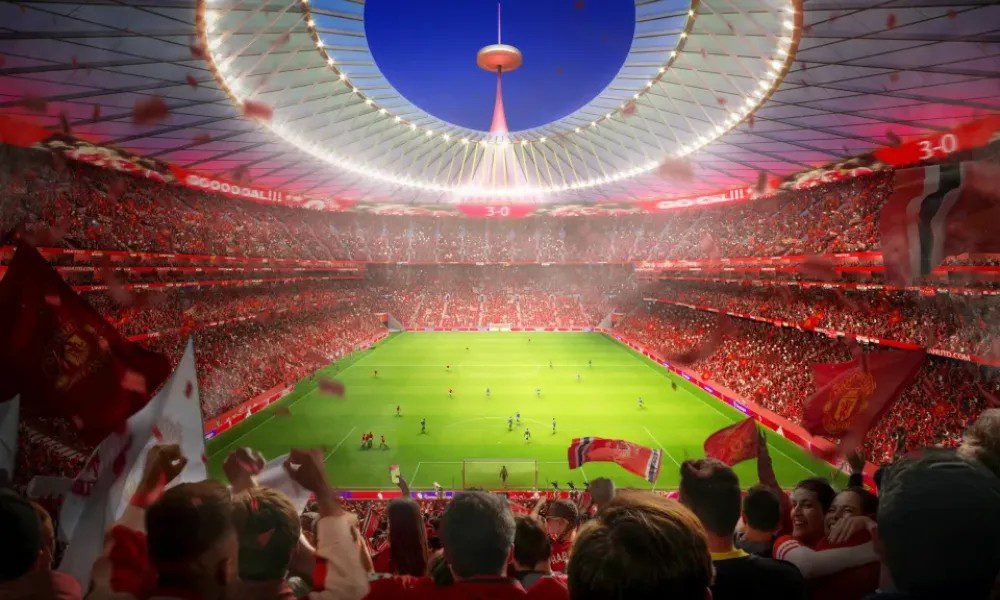
According to figures released by the club, the broader programme is expected to generate approximately 48,000 local jobs and more than 90,000 jobs nationally. It is also projected to contribute over £7 billion annually to the UK economy once fully developed, positioning the scheme as one of the largest urban regeneration efforts in the country.
Local authorities and development partners are expected to publish further details of the regeneration framework, including consultation timelines and design proposals, later this year. The scale of the project means phased development is likely over several years, with infrastructure delivery playing a central role.
Club Vision And Supporter Focus
Manchester United has emphasised that the new stadium will be designed with supporter experience at its core. Club leadership has repeatedly highlighted the importance of preserving identity and atmosphere while upgrading capacity and facilities.
Collette Roche, CEO of Manchester United’s New Stadium Development, said, “Today’s news highlights the progress we’re making towards a world-class new home for Manchester United and represents a significant milestone as we move into the next phase of development.”
She added that “being able to build so close to Old Trafford allows us to preserve the heritage, traditions and rituals that are so important to our fans.”

” We are committed to building a world-class stadium with our supporters, not just for them, with atmosphere, affordability and accessibility at the heart of our thinking.”
Collette Roche, CEO of Manchester United’s New Stadium Development
The club also stated that “this is a generational opportunity that is fully aligned with both local and national growth ambitions,” reinforcing the strategic importance of the project beyond football alone.
With land now secured, attention turns to planning approvals, design finalisation, and the consultation process that will shape one of the most ambitious stadium developments in British sporting history.
READ ALSO: Ghana Economy Poised for 6.1% Growth Surge in Latest Assessment