The future of money may be arriving faster than many expected. Standard Chartered Bank has projected that the global stablecoin market could surge from its current value of approximately US$300 billion to an astonishing US$2 trillion by 2028, signaling what could be one of the biggest transformations in the global financial system in decades.
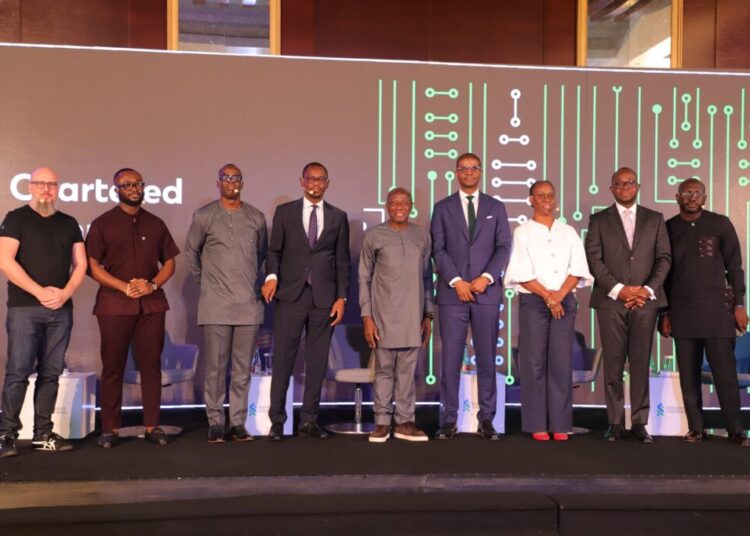
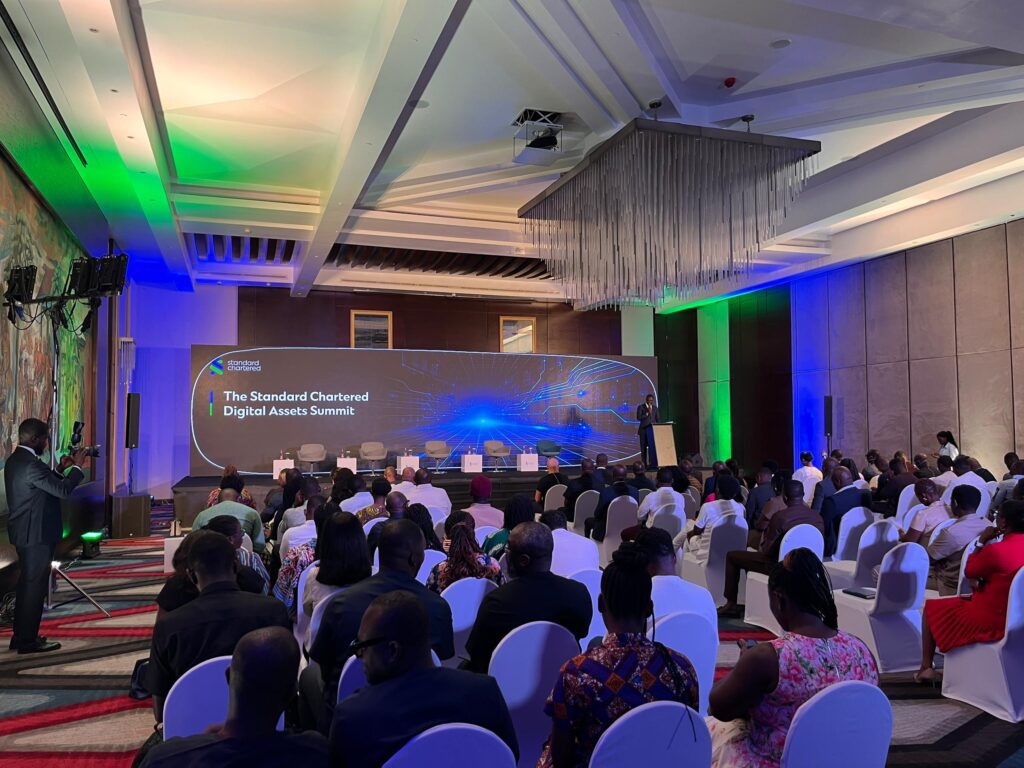
The bold prediction was made during the bank’s inaugural Digital Assets Summit held in Accra, where industry leaders, regulators, financial institutions and technology experts gathered to discuss the growing influence of digital currencies, stablecoins and tokenised assets on the future of payments and finance.
As businesses and consumers increasingly seek faster, cheaper and more efficient ways to move money across borders, digital assets are rapidly emerging as a powerful alternative to traditional payment channels.
Stablecoins Emerging as the New Payment Powerhouse
Addressing participants at the summit, Standard Chartered’s Global Head of Digital Assets, Rene Michau, described stablecoins as the most transformative force currently reshaping global payments.
“The most transformative trend for cross-border payments will be stablecoins and other forms of digital money,” Mr. Michau said.
According to him, the rapid rise of stablecoins is already shifting payments and savings activity away from traditional financial rails, creating opportunities to improve efficiency while simultaneously increasing the need for stronger regulation and oversight.
The projected growth of the stablecoin market reflects increasing confidence among businesses and consumers seeking alternatives that offer faster transaction speeds, lower costs and greater accessibility.
Industry analysts believe that as digital assets become more mainstream, they could significantly reduce the barriers that currently hinder trade and financial transactions, particularly across African markets.
Africa’s Cross-Border Trade Could Receive Major Boost
One of the most exciting prospects highlighted at the summit was the potential impact of digital assets on intra-African trade.
Executive Director and Head of Markets at Standard Chartered Bank Ghana PLC, Jojo Bannerman, stressed that digital assets should be viewed primarily as a payment efficiency tool rather than a replacement for traditional currencies.
“The existing regulations around payments and currency sovereignty remain in place,” Mr. Bannerman said. “Digital assets are an additional tool within the ecosystem.”
He explained that a trader in Ghana could potentially make near real-time payments to suppliers in neighbouring countries without experiencing long settlement periods, multiple currency conversion costs or the risks associated with transporting physical cash.
Such developments could dramatically improve working capital management for businesses while unlocking new opportunities for regional commerce.
“The whole concept of using digital assets is to drive efficiency in payments, ensure trust within the payment ecosystem and lower costs for end users,” he said.
Regulators Race to Keep Pace with Innovation
As digital assets continue gaining traction globally, regulators are intensifying efforts to create frameworks that balance innovation with financial stability.
The summit comes at a time when the Bank of Ghana and the Securities and Exchange Commission are actively working on policies governing virtual asset service providers and broader digital asset activities.
Mr. Michau emphasized that successful adoption of digital assets will depend on maintaining trust and ensuring that innovation operates within a well-regulated environment.
According to him, digital assets are no longer confined to niche investment circles but are becoming part of the broader evolution of money itself.
This shift is prompting financial institutions and policymakers to strengthen risk management systems, compliance procedures and anti-money laundering safeguards to support the sector’s sustainable growth.
Tokenisation Opens New Investment Frontiers
Beyond payments, Standard Chartered believes tokenisation could become one of the most significant developments in financial markets.
Mr. Michau noted that tokenised money market funds and equities are already among the largest segments within the tokenised asset ecosystem.
However, he argued that future growth will require digital representations of both assets and money to evolve simultaneously.
“The tokenisation of assets needs to happen alongside the tokenisation of money,” he said, citing stablecoins, central bank digital currencies and tokenised bank deposits as critical building blocks for future financial infrastructure.
The ability to digitally represent and trade assets could unlock new investment opportunities, increase market liquidity and improve access to financial products for a broader range of investors.
Artificial Intelligence Meets Digital Finance
The summit also explored the growing convergence between digital assets and artificial intelligence.
As AI-powered systems become increasingly autonomous, experts believe programmable money could facilitate machine-to-machine transactions and automated financial interactions without human intervention.
This emerging intersection between AI and digital finance could fundamentally reshape how businesses operate, enabling faster and more intelligent financial decision-making processes.
Standard Chartered executives noted that banks will continue playing a central role in connecting traditional financial systems with rapidly evolving digital ecosystems.
Ghana Positioned for the Future
Standard Chartered executives expressed confidence that Ghana is well positioned to benefit from the global digital asset revolution.
They pointed to increasing collaboration among regulators, financial institutions, technology firms and market participants as evidence that the country is building the foundation required to support digital finance innovation.
Chief Executive Officer of Standard Chartered Bank Ghana Plc, Xorse Godzi, described digital assets as a strategic opportunity for Ghana to advance financial inclusion, efficiency and innovation.
Meanwhile, Dalu Ajene, Chief Executive Officer and Head of Coverage for Africa at Standard Chartered, emphasized that Africa’s greatest opportunity lies not only in adopting digital assets but also in building trusted, scalable and regulated infrastructure capable of supporting long-term growth.
As the world moves toward a new era of digital money, Ghana appears determined to position itself at the forefront of the transformation. With stablecoins, tokenisation and artificial intelligence rapidly converging, the future of finance may be closer than ever before.
READ ALSO: Dollar Retreats as Cedi Stages Strong Rally with Biggest Gain in Weeks