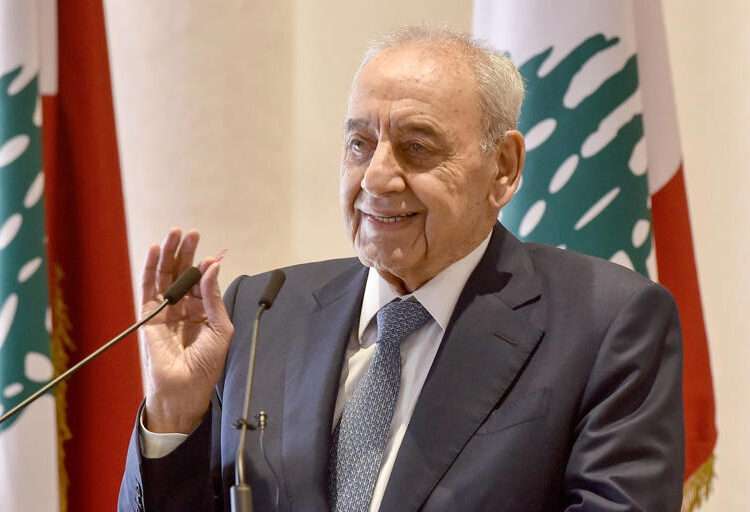
Lebanon’s Parliament Speaker, Nabih Berri has slammed the US-brokered agreement between Israel and Lebanon, saying that it “won’t be implemented” and it could spark hostilities within Lebanon.
This came amid deepening divisions in Lebanon over the deal with Israel, which Washington has described as a first step towards ending months of fighting between Israel and Hezbollah. Hezbollah has rejected the agreement.
Berri, who heads the Amal Movement and has served as a key intermediary between the government and Hezbollah, has called for calm while criticising the agreement as one-sided.
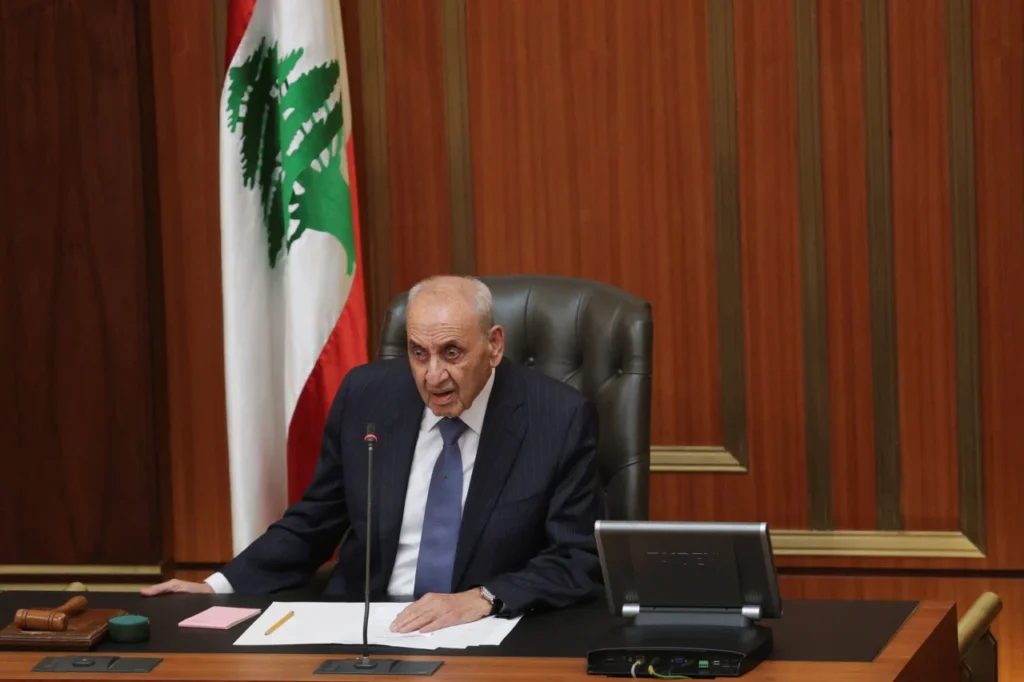
Berri, considered a key ally of Hezbollah, told a Lebanese newspaper that the deal has the potential to “incite internal divisions and draw the Lebanese into a confrontation among themselves.”
Berri also said that negotiations between the United States and Iran are the only realistic opportunity to secure an Israeli withdrawal from southern Lebanon.
The Amal Movement put out a separate statement saying that the agreement is “unbalanced” and favors Israel in many clauses “at the expense of the national interest.”
Two Lebanese Sunni groups rejected a deal signed in Washington that would link the withdrawal of Israeli forces from Lebanon to the disarmament of Hezbollah, calling it a “malicious attempt” to subordinate security to US-Israeli conditions. The Al-Umma Movement and the Sunni Authority for Supporting the Resistance issued a joint statement after a meeting in Beirut.
It said linking the withdrawal of Israeli troops from occupied territory to the disarmament is “a flagrant violation of all red lines.” The groups also condemned provisions in the agreement they said grant Israel “a direct role in monitoring the implementation of security commitments and evaluating the performance of the Lebanese army.”
The deal has produced divided reactions inside Lebanon, with supporters seeing it as a possible exit from a perpetual state of war, while critics portray it as a surrender to US-Israeli conditions.

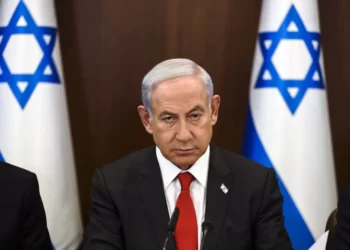
The initial agreement, signed on Friday, calls for Israel to withdraw from two areas in southern Lebanon, transferring those sites to the Lebanese military. However, in a prerecorded video statement on Friday evening, Israeli Prime Minister, Benjamin Netanyahu said Israeli forces were leaving sites that the military “does not need” in Lebanon.
Israeli Defense Minister, Israel Katz reiterated today that his country will not fully withdraw from Lebanon until Hezbollah is disarmed, arguing that “we have effectively secured US backing to remain in southern Lebanon for as long as Hezbollah has not been disarmed throughout the country.” Netanyahu has previously described the agreement as a major win for Israel, allowing the Israeli military to remain in much of the territory it occupies, as long as Hezbollah is not disarmed.
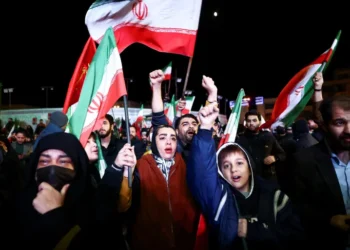
Israeli attacks on Hezbollah in Lebanon have complicated efforts to secure a lasting peace agreement between the United States and Iran. Iran has demanded a full withdrawal of Israeli forces from Lebanon as part of a final deal with the US. These latest comments by Berri and Katz further reveal the difficulties with penning and implementing separate agreements that relate to overlapping issues.
Lebanon’s Health Ministry says at least 4,257 people have been killed and more than 12,000 others wounded in Israeli attacks across the country since March 2.
Earlier, Egyptian Foreign Minister Badr Abdelatty spoke by phone with Lebanese Parliament Speaker Nabih Berri to discuss the latest developments in Lebanon and Middle East de-escalation efforts. Egypt’s Foreign Ministry Spokesman Tamim Khalaf said that Abdelatty reiterated Cairo’s support for Lebanese sovereignty, unity and territorial integrity, and stressed the importance of building on the US-sponsored “framework agreement” to achieve a full Israeli withdrawal from Lebanese territory. Berri expressed appreciation for Egypt’s backing during the current crisis, a statement added.
Lebanon Army Chief, US CENTCOM Commander Meet
Lebanon’s state-run news agency announced that General Rodolph Haykal received Admiral Brad Cooper and a military delegation at his office in Yarze town south of Beirut.
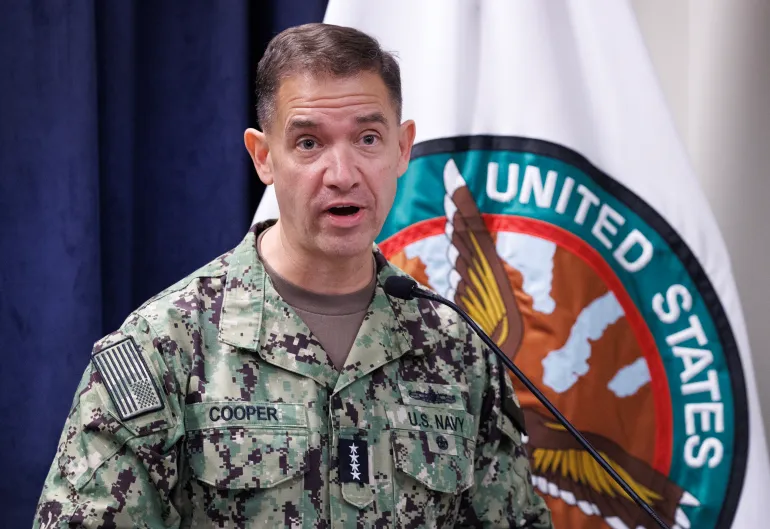
The two discussed the latest developments in war-torn Lebanon and the wider Middle East, as well as ways to strengthen future cooperation between the two armies. Haykal expressed gratitude for US support saying “the necessity of continued cooperation between the two armies in a way that preserves Lebanon’s security and stability.”
The meeting comes as Lebanon moves to implement the trilateral framework agreement signed in Washington last Friday, which sets out a sequenced process for Israeli withdrawal from southern Lebanon tied to the disarmament of Hezbollah.
READ ALSO: Chamber of Mines Demands Allocation of 30% of Mineral Royalties to Mining Communities