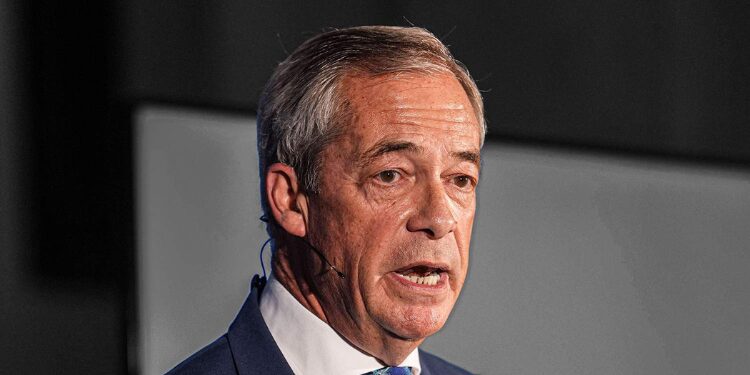
Reform UK leader, Nigel Farage has launched a dramatic political gamble by resigning as Member of Parliament for Clacton-on-Sea and forcing a by-election that he believes will allow voters to decide whether he remains the driving force behind Britain’s growing Reform UK movement.
The Reform UK leader announced that he would contest the upcoming by-election himself, framing the contest as a direct confrontation between ordinary voters and the political “establishment.”
Nigel Farage stated that, the decision was intended to give people in Clacton the opportunity to judge his actions and determine whether allegations surrounding his political finances should affect his mandate.
“I will fight to continue the political revolution Reform has started,” Farage said as he announced his resignation and intention to stand again.
The move comes at a moment of intense pressure for the Reform UK leader, who has faced mounting scrutiny over a series of controversies involving political donations, financial arrangements and questions raised about his transparency as an MP.
Farage has strongly denied any wrongdoing, arguing that political opponents and sections of the media are attempting to undermine Reform UK after the party’s electoral gains. He accused the wider political system of trying to defeat his movement through what he described as unfair tactics rather than through democratic competition.
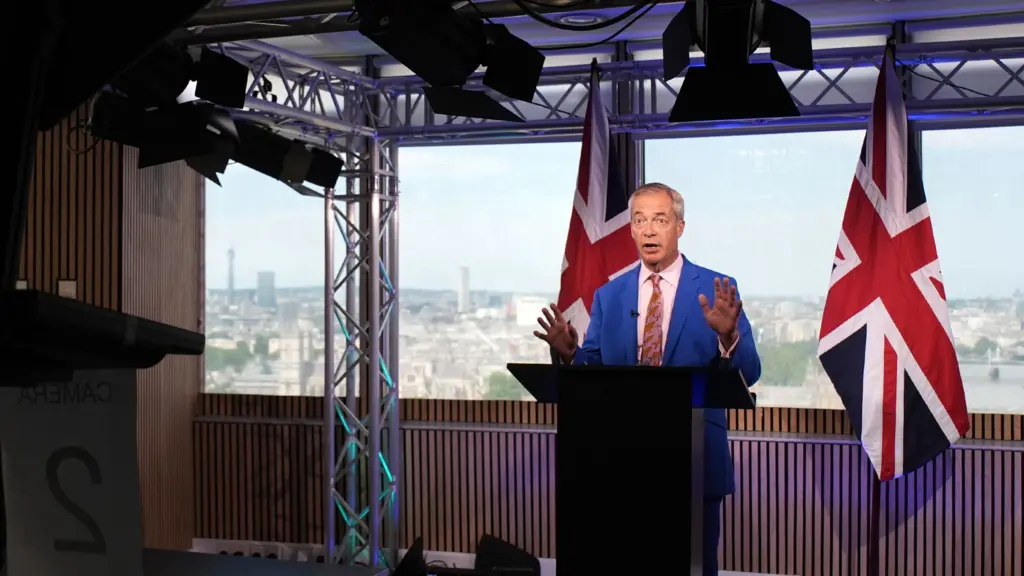
In a televised statement, Farage claimed that traditional political forces had become alarmed by Reform UK’s rise and had shifted their focus from challenging the party at the ballot box to attacking its leadership.
The Leader of Reform UK stated, “it seems to me that the establishment have now decided that they can’t beat us fairly, so they’ve chosen to use foul means.”
“Let me be absolutely clear, after the furore and the media pile-on, well, not just the media, the other political parties too – let me be absolutely clear – I have done nothing wrong.
Nigel Farage
He added, “I have not broken the law in any way at all. I have not misused public money, and you know, for the first two years of being an MP, my personal MP expenses are zero, not of course that you’ll read about that in mainstream media.”
The announcement follows growing scrutiny over financial support received by Nigel Farage and Reform UK. One controversy involves a £5 million gift from cryptocurrency billionaire Christopher Harborne, which is currently the subject of an investigation by Parliament’s standards commissioner.
Farage has defended the donation, indicating that the money was intended to fund security arrangements because of the threats and hostility he claims to have faced throughout his political career.
Another controversy involves claims that long-time Farage ally George Cottrell, who has a criminal conviction, provided funding support for security and staffing arrangements before Farage entered Parliament.
The Reform UK leader has dismissed reports surrounding the matter as inaccurate and politically motivated, insisting that critics are attempting to damage his reputation rather than address legitimate concerns.
Farage’s Political Gamble Could Reshape Britain’s Next Election Battle
Farage’s decision to resign does not eliminate the parliamentary investigation into his conduct. Under parliamentary rules, any review by the standards commissioner would continue if he wins the by-election and returns to the House of Commons.
Instead, the Reform UK leader is seeking a different form of political validation, that is a direct mandate from voters.
The strategy reflects Farage’s long-established political approach of presenting himself as an outsider challenging traditional institutions. By calling the contest a “people versus the establishment” election, he is attempting to shift attention away from allegations surrounding donations and toward a broader argument about public dissatisfaction with mainstream politics.
Analysts explained that the by-election could become a defining moment not only for Farage but also for the future direction of British politics.
A victory would strengthen his claim that Reform UK represents a major political force capable of challenging the established parties ahead of the next general election. A defeat, however, could raise questions about whether his movement’s momentum has been weakened by controversy surrounding its leadership.
Farage pointed to Reform UK’s electoral gains in recent months as evidence that voters are increasingly rejecting traditional political parties. He argued that the response from opponents demonstrates concern about the party’s growing influence.
The Clacton contest is expected to attract significant national attention because of the wider implications beyond the constituency itself. A successful campaign could reinforce Farage’s argument that voters, rather than political institutions, should determine his future.
For Farage, the decision represents one of the biggest risks of his political career. After years of campaigning outside Parliament before finally winning a seat, he is now voluntarily putting his position back before voters.
His message is clear: the people of Clacton should decide whether allegations against him matter or whether they believe his wider political project deserves their support.
“I’ve decided that the people of Clacton should be the judges of my actions. And that is why I will be putting my name forward to stand in this by-election. I will fight to win. I will fight to continue the political revolution that Reform has started.”
Nigel Farage
The outcome could have consequences far beyond the constituency. A decisive victory would strengthen Farage’s influence and potentially reshape the competition for power before Britain’s next general election.
READ ALSO: Licensing Regimes & Revenue Management Expose Lithium Chains to Corruption – Stevenson