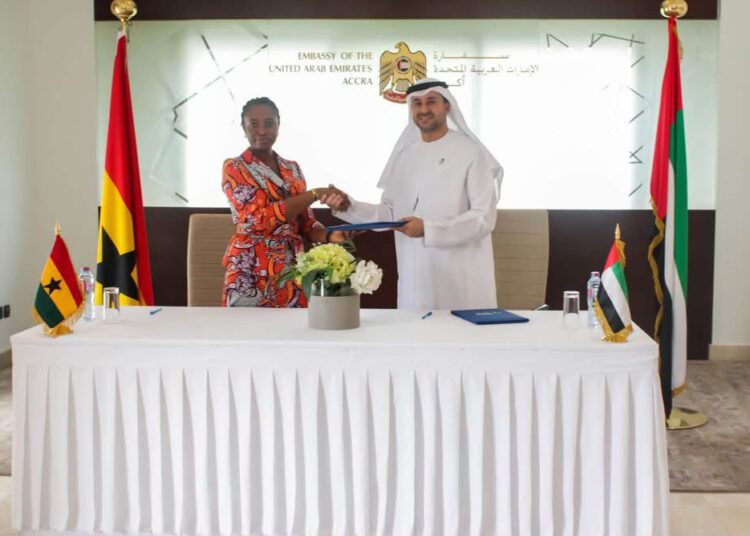
Ghana has taken another step towards expanding international partnerships to support its energy transition after the Energy Commission signed a Memorandum of Understanding (MoU) with Abu Dhabi-based Global South Utilities (GSU) to strengthen technical cooperation, investment and knowledge exchange across the country’s energy sector.
The agreement comes as Ghana seeks to diversify its energy mix, modernise critical infrastructure and attract private capital needed to support long-term energy security and economic growth.
Partnership targets technical expertise and energy investment
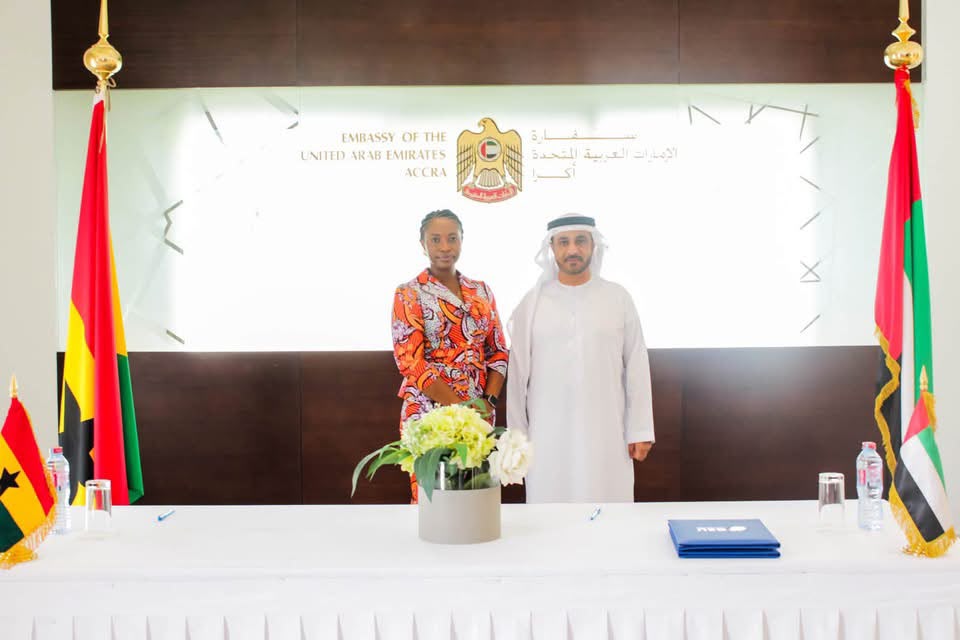
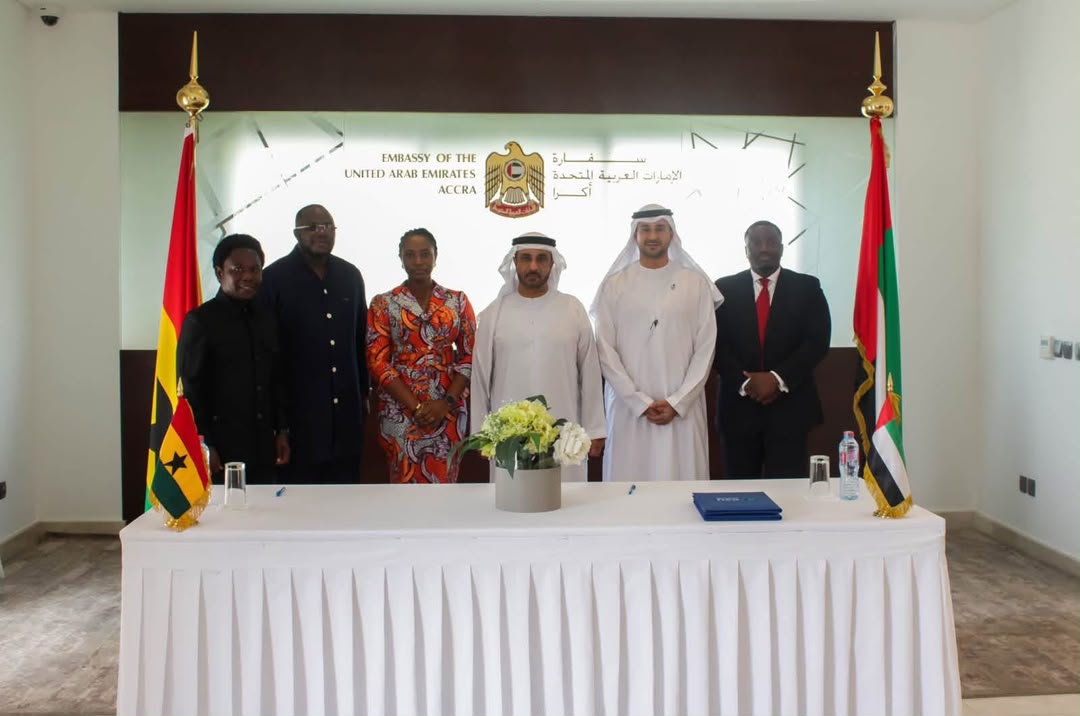
The Memorandum of Understanding was signed in Accra by the Acting Executive Secretary of the Energy Commission, Ms. Adwoa Serwaa Bondzie, and the Managing Director and Chief Executive Officer of Global South Utilities, Mr. Ali Al Shimmari, following approval by the Minister for Energy and Green Transition, Dr. John Abdulai Jinapor.
The signing formed part of a high-level visit to Ghana by a delegation from the United Arab Emirates led by the UAE Minister of State, Sheikh Shakhboot bin Nahyan Al Nahyan, and was witnessed by the UAE Ambassador to Ghana, Dr. Abdulla Almandoos.
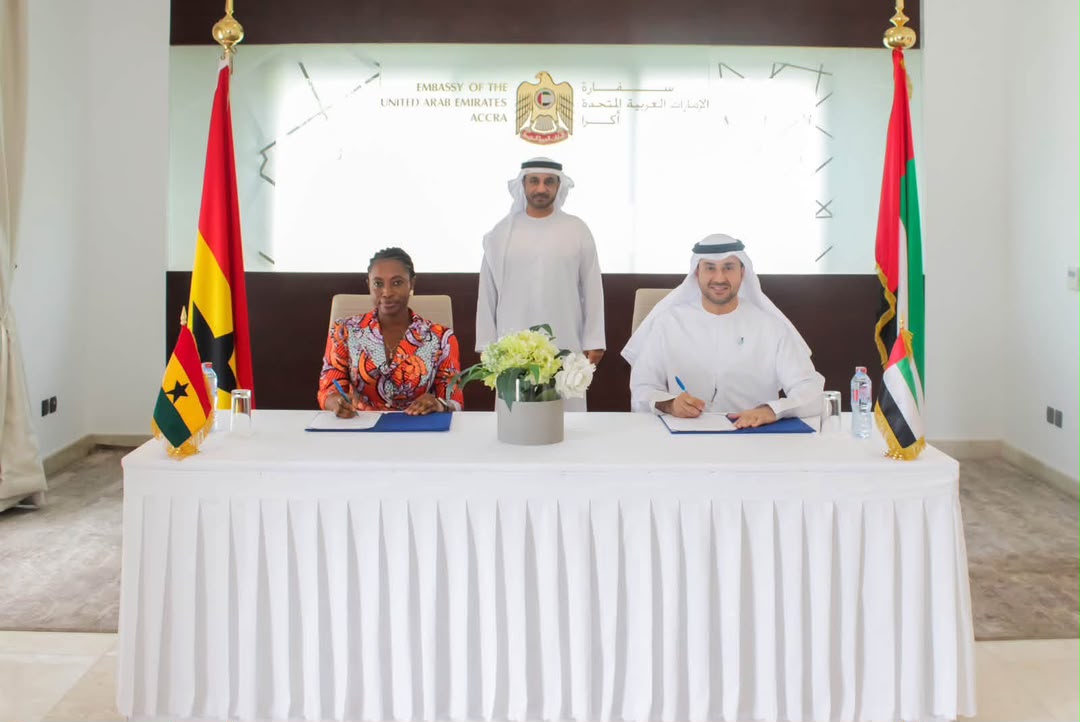
Under the agreement, both institutions will work together to explore opportunities in technical cooperation, knowledge exchange and investment that could support Ghana’s evolving energy landscape.
Speaking during the signing ceremony, Ms. Bondzie said the agreement was intended to move beyond diplomacy and identify practical areas where both institutions could work together.
This partnership will help us identify practical areas of collaboration that deliver tangible value for Ghana’s energy sector.
Ms. Adwoa Serwaa Bondzie, Acting Executive Secretary, Energy Commission
Supporting Ghana’s long-term energy transition
The agreement comes at a time when Ghana is pursuing multiple reforms aimed at improving electricity reliability, expanding renewable energy deployment and attracting investment into strategic energy infrastructure.
Over the past several months, government has announced initiatives ranging from utility-scale renewable energy projects and waste-to-energy development to local content expansion, petroleum infrastructure investment and improvements in energy efficiency.
Against that backdrop, international partnerships are increasingly becoming an important component of Ghana’s strategy to mobilise technology, financing and technical expertise needed to support the country’s transition towards a more diversified and resilient energy system.
Unlike financing agreements that commit immediate capital, Memoranda of Understanding typically establish a framework for cooperation under which institutions can jointly identify projects, exchange expertise and develop future investment opportunities.
For Ghana, such partnerships can create opportunities to access international experience in areas including renewable energy deployment, electricity infrastructure, grid modernisation and emerging clean energy technologies.
Why the UAE partnership matters
The United Arab Emirates has become an increasingly influential investor in energy infrastructure globally, particularly in renewable energy, utilities, transmission systems and sustainable infrastructure.
Its growing engagement across Africa reflects broader efforts by Gulf countries to expand economic cooperation while supporting infrastructure development and energy access on the continent.
For Ghana, collaboration with institutions such as Global South Utilities could complement ongoing national efforts to strengthen electricity infrastructure while supporting the country’s broader objective of delivering affordable, reliable and sustainable energy supplies.

The partnership also aligns with Ghana’s ambition to position itself as a competitive destination for energy investment by creating stronger links between domestic institutions and international investors.
Mr. Ali Al Shimmari said GSU views the partnership as an opportunity to contribute to Ghana’s long-term energy development.
We remain committed to supporting the Energy Commission’s energy transition agenda and Ghana’s long-term economic growth.
Mr. Ali Al Shimmari, Managing Director and Chief Executive Officer, Global South Utilities
Building resilience through international collaboration
Beyond attracting investment, the agreement reflects the growing importance of international cooperation in responding to rapidly changing energy systems.
As countries pursue cleaner sources of energy while maintaining reliability and affordability, regulators increasingly rely on partnerships that facilitate technology transfer, policy learning and institutional capacity building.
The Energy Commission has in recent weeks hosted technical exchanges with regional regulators, including Kenya’s Energy and Petroleum Regulatory Authority (EPRA), as part of efforts to strengthen regulatory capacity and harmonise energy efficiency standards.
The latest agreement with Global South Utilities extends that engagement beyond Africa by opening opportunities for collaboration with an international energy investment company.
Industry observers note that while the immediate outcomes of the MoU will depend on projects subsequently developed under the framework, the agreement signals Ghana’s continued commitment to pursuing partnerships capable of supporting infrastructure development and accelerating the country’s energy transition.
If translated into concrete investments and technical programmes, the collaboration could contribute to improving energy infrastructure resilience while expanding access to reliable, affordable and sustainable energy for households, businesses and industry.
READ ALSO: Minority’s Opposition To Tribunals Bill Misguided, Vanderpuye Says