The management of Azumah Resources Ghana Limited, Upwest Resources Limited, and Phoenix Resources Limited has formally assured the public that the strategic gold-bearing Black Volta Project in northwest Ghana remains firmly under the operational jurisdiction and control of its local management and Board of Directors.
This executive clarification follows recent global media reports and ongoing corporate shifts within the extractive sector, with the company aiming to dispel any public misconceptions regarding the physical management of the mining assets.
Local stakeholders and regional economic observers have keenly followed the transition of ownership, which involves an indigenous mining heavyweight and foreign private equity investors.
“The Black Volta Project remains under the control and management of the Board of Directors and Management of Azumah Resources Ghana Ltd, Upwest Resources Ltd and Phoenix Resources Ltd. The mineral rights and the project is being developed by Azumah Resources Ghana Ltd, Upwest Resources Ltd and Phoenix Resources Ltd.”
Azumah Resources Ghana Limited
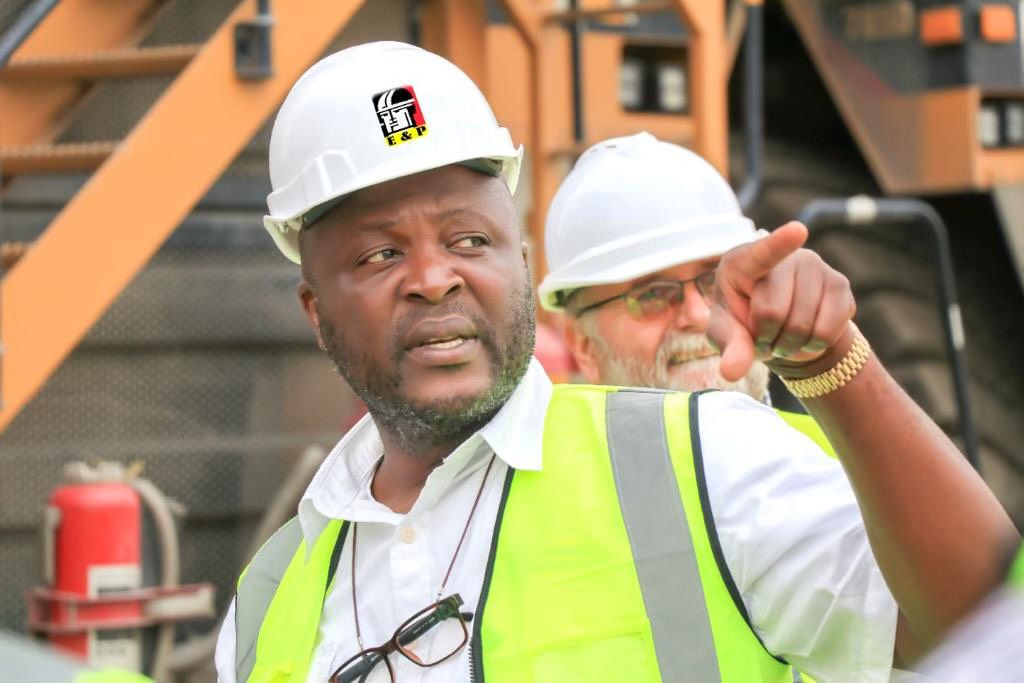
Engineers & Planners Company Limited (E&P), a wholly indigenous Ghanaian-owned mining and construction firm, successfully positioned itself as the sole shareholder of the entities controlling the concessions after a series of extensive financial payments and asset transfers.
The corporate restructuring was executed under a 2023 Framework Agreement, where E&P committed a total sum of $100 million to acquire both the debt and equity interests in the project, correcting initial international press reports which claimed the deal was strictly an equity transaction.
To ensure absolute transparency during this sensitive operational transition, the local leadership has emphasized that the mineral rights and field operations are strictly being executed by the three designated operating entities rather than any external third party.
Legal Determinations and Project Financials
An Arbitral Tribunal under the International Chamber of Commerce (ICC) delivered a critical interim award on September 19, 2025, which effectively maintained the administrative status quo of the local management structure.
The international tribunal explicitly declined to unwind or reverse any corporate decisions made during the transition, including the historical appointment or removal of directors and alterations to the local shareholding structures.

This legal development has been interpreted by the local leadership as an affirmation of the structural handovers executed following the total disbursement of the $100 million purchase price to the former overseas investors, alongside the complete repatriation of matching funds from local bank accounts back to international financial institutions.
The Core Necessity for Strategic Clarification
The absolute necessity for this detailed clarification stems from the strategic weight of the Black Volta Project within Ghana’s green transition and gold production landscape, coupled with the need to defend against fresh additional claims brought before the ICC by the former foreign investors.
Experts note that while the previous directors appointed by international private equity funds tendered their formal resignation letters after receiving all agreed-upon payments, the subsequent filing of secondary claims has generated minor corporate noise.
Local regulatory bodies, including the Minerals Commission and the Registrar of Companies, had previously given full administrative approval and registration to the share transfers, securing the pathway for local leadership.

A structured overview of the current operational reality and corporate division of responsibilities clarifies the distinction between ownership and direct management:
The Black Volta Project, which holds substantial multi-million ounce gold potential in the Upper West Region, is widely seen as a major test case for indigenous resource sovereignty in an industry traditionally dominated by overseas capital.
By aligning the project with a high-capacity local operator, the state aims to maximize domestic tax revenues and promote direct employment.
With the local board firmly at the helm, the management has reiterated its focus on deploying long-term development funding to move the concessions from exploration into active mine construction, promising shared prosperity for host communities.
READ ALSO: Manchester United Consider Potential Naming Rights Deal for Proposed 100,000-Seater Stadium