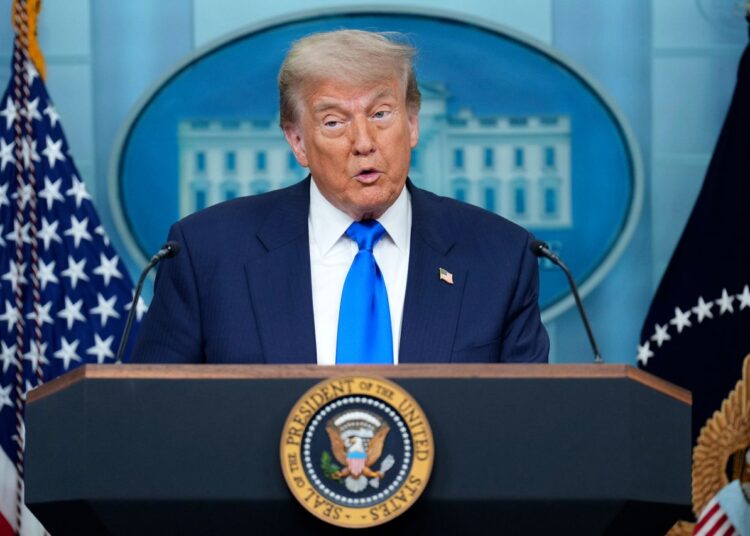
The US has levied 25% tariffs on certain imports from Brazil effective next week, concluding a yearlong investigation into what Washington calls unfair trade practices.
The tariffs, which were first proposed last month, will take effect on July 22, 2026. The order exempts some goods not produced in the US or that officials worry would disrupt supply chains. They include coffee, beef, oranges and orange juice, some oil and gas energy products and aerospace parts and components.
The office of the US trade representative said that it concluded after a year-long investigation that Brazil had a range of unfair trade practices, including lax anti-corruption enforcement and unfair tariffs of its own, among other practices seen as unreasonable and unfair. The US, however, has had a goods trade surplus with Brazil for years.
The tariffs are being imposed under section 301 of the Trade Act of 1974, allowing the US to launch the investigation into Brazil’s trade practices.The US Supreme Court in February ruled against many of Trump’s tariffs imposed under a different law, the International Emergency Economic Powers Act (IEEPA) of 1977. The court found he overstepped his authority under that act to impose sweeping tariffs on US trading partners, including Brazil. Trump had under that law imposed a 50% tariff on Brazil in protest at its prosecution of Jair Bolsonaro for trying to overturn his loss in a 2022 election.
The Supreme Court in February struck down President Donald Trump’s previous 50% levies on Brazilian goods, keeping in place only a 10% global tariff. Trump has sought to reinstate his tariff power by launching Section 301 probes, which allows him to impose levies on countries found to have engaged in unfair trade practices, without additional congressional authorization.
The action, taken under Section 301 of the Trade Act of 1974, targets Brazilian practices, such as orders directing American technology firms, including X, Meta, and Google, to remove certain political content and suspend accounts belonging to US residents, preferential tariffs for Mexico and India, weak intellectual property enforcement, and ethanol market barriers.
Jamieson Greer, the US Trade Representative, said that the action was necessary to ensure American workers and companies compete on a level playing field. “Extensive negotiations with Brazil over the past year have not resolved these issues, but we remain open to continuing negotiations with Brazil to bring about long-needed changes to the problems identified in this investigation,” he said.
Also, Marco Rubio, the US Secretary of state, defended the decision to impose the tariffs.
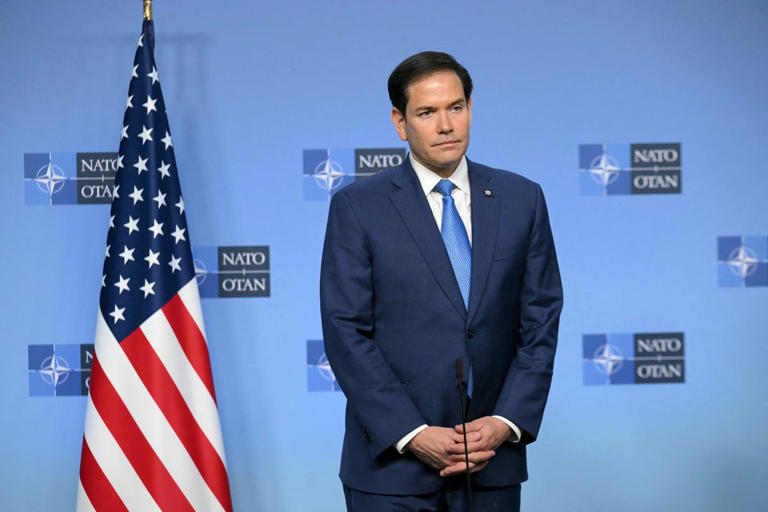
“Let there be no confusion about why: President Lula and his government have not negotiated with the US in good faith. His economic policies are bad for Americans and bad for Brazilians. For the past year, Lula has put his own ego ahead of making a deal for the welfare of the Brazilian people, and these tariffs are the price for that.”
Marco Rubio
A separate US probe into forced-labor enforcement could see an additional 12.5% duty on Brazilian goods on top of the 25%, with the decision due next week.
Brazil Condemns US Move To Impose 25% Tariffs

Brazil condemned the US decision to impose 25% tariffs on certain Brazilian products, after the Trump administration found a range of what it deemed unfair trade practices by the South American country.
In a statement on X, denying it had engaged in unfair trade practices, the office of President Luiz Inácio Lula da Silva said, “The Brazilian government repudiates the decision announced today by the United States government regarding the imposition of 25 percent tariffs on Brazilian products.”
After US officials in early June warned that they were proposing the tariffs, the Brazilian president reacted with indignation. Lula pointed to political considerations, blaming his rival in the country’s upcoming October elections, Flávio Bolsonaro. Bolsonaro had recently visited Washington and is the son of former President Jair Bolsonaro, an ally of Donald Trump, the US President.
Lula has accused Senator Flavio Bolsonaro of helping trigger the tariffs after his Washington visit, although the Senator denied and said he planned to persuade the Trump administration to delay the tariff imposition until after the election.
m