

Ghana’s downstream petroleum sector is beginning to show early signs of adapting to round-the-clock operations, with participating fuel depots reporting higher productivity, expanded work shifts and increased volumes just days into the pilot phase of the government’s flagship 24-Hour Economy Programme.
The National Petroleum Authority (NPA) has intensified oversight of the initiative as it seeks to assess whether extended operating hours can improve petroleum supply, stimulate employment and strengthen service delivery across the country’s downstream sector.
The exercise forms part of government’s broader efforts to build an economy that operates beyond traditional business hours while unlocking new opportunities for industrial growth and productivity.
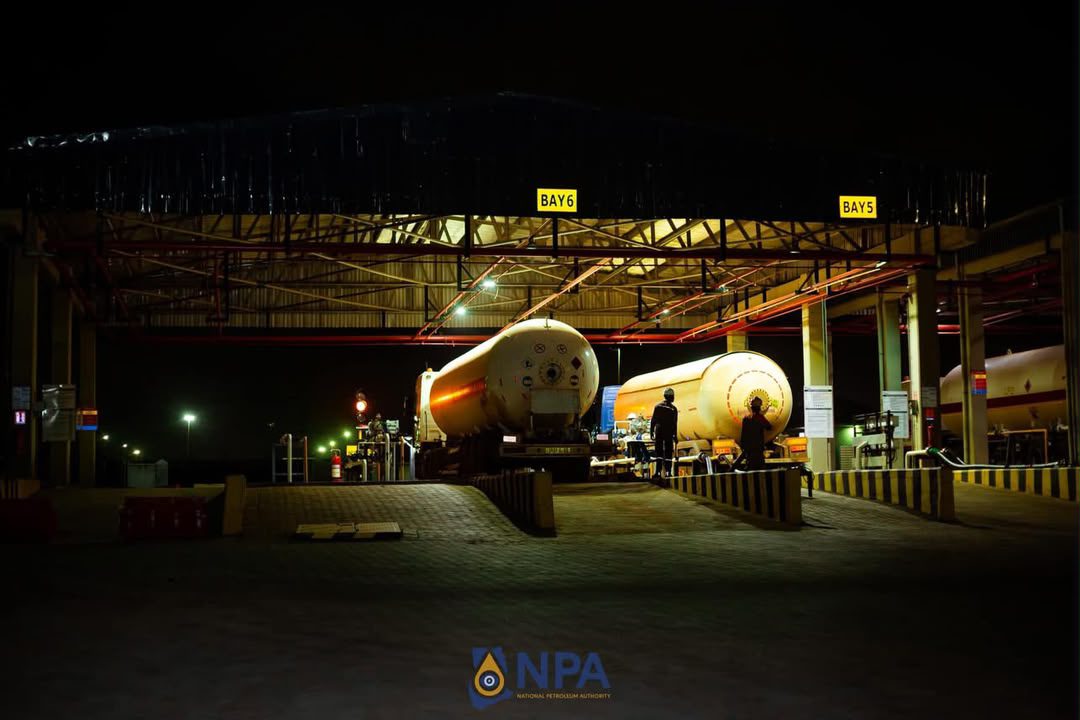
Leading the latest inspection, Chief Executive of the NPA, Mr. Godwin Kudzo Tameklo, Esq., visited several petroleum depots in Tema overnight to monitor implementation of the pilot programme and engage operators on practical measures needed to maximise its success.
The inspection brought together officials from multiple state institutions responsible for the initiative, reflecting the collaborative approach being adopted to evaluate one of the energy sector’s key contributions to the government’s economic transformation agenda.
Multi-Agency Team Assesses Overnight Operations
Accompanying the NPA Chief Executive were the Lead for Energy at the 24-Hour Economy Authority, Mr. Roland Azuguvu; the Director for the 24-Hour Programme at the Ghana Police Service, ACP Benjamin Ania; the Tema Regional Police Commander, DCOP Asiedu; the National Security Council Secretariat’s liaison for the programme, Air Commodore Francis Ayamba; senior directors of the National Petroleum Authority; and representatives from the Customs Division of the Ghana Revenue Authority.

The delegation held discussions with management and operational staff at the participating depots, focusing on practical interventions that could improve implementation as the pilot progresses.
Rather than serving as a routine inspection, the visit formed part of government’s wider assessment of operational readiness, regulatory compliance, workforce arrangements and infrastructure requirements associated with continuous petroleum operations.
The engagement also provided operators with an opportunity to share first-hand experiences from the initial stages of implementation and identify challenges requiring policy attention.
Early Gains Reported
Operators participating in the pilot indicated that extending operational hours had already begun generating measurable improvements across their businesses.
According to management of the depots visited, longer operating periods have translated into increased productivity, expanded work shifts, higher throughput volumes and improved revenue generation since the pilot commenced.
Since the pilot commenced, productivity has expanded with increased working hours, expanded workforce and work shifts as well as increased volumes and revenue.
Operators told the visiting delegation during the assessment
The feedback offers an early indication that continuous downstream operations could create additional economic opportunities while supporting government efforts to stimulate employment within the petroleum distribution chain.
Although the pilot remains in its early stages, the initial operational data is expected to help authorities determine whether extended business hours can sustainably improve efficiency without compromising safety, security or regulatory standards.
Infrastructure Challenges Surface
Despite the encouraging early performance, operators identified several practical challenges that could affect the long-term sustainability of continuous operations.
Among the most pressing concerns raised were inadequate lighting at some facilities and the need for stronger security arrangements to support overnight activities.
The issues are considered particularly significant given the sensitive nature of petroleum storage and distribution facilities, where safety and security remain critical operational priorities.
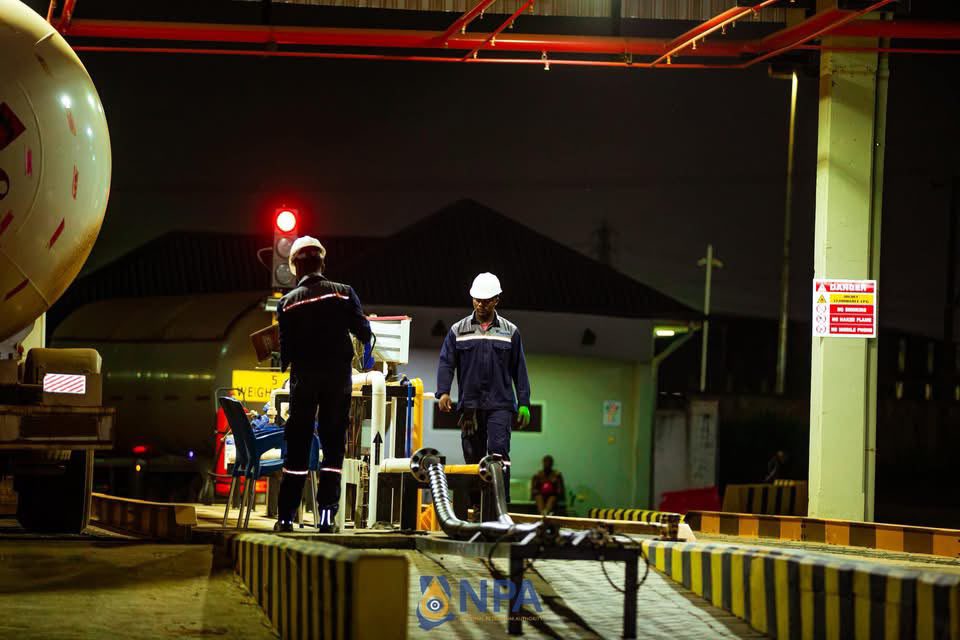
Addressing these concerns is expected to form part of government’s broader evaluation of facility readiness before any decision is taken on expanding the programme beyond the pilot phase.
The inspection team used the engagements to better understand these operational constraints while exploring measures that could improve implementation across participating facilities.
Testing the Downstream Sector’s Readiness
The pilot currently covers 247 retail outlets, 11 petroleum depots and two refineries, making it one of the largest operational assessments undertaken within Ghana’s downstream petroleum industry in recent years.
The programme has been designed to test the viability of extended operating hours across different segments of the petroleum value chain while generating evidence to guide future policy decisions.

Authorities are examining facility readiness across several indicators, including infrastructure adequacy, workforce capacity, security arrangements and regulatory compliance.
Beyond operational performance, the pilot is also intended to evaluate whether longer business hours can improve the availability and accessibility of petroleum products in selected locations while enhancing service delivery to consumers.
Government is additionally monitoring the programme’s impact on employment creation, business revenue and consumer demand, with findings expected to inform future phases of implementation.
Energy Sector’s Role in the 24-Hour Economy
The downstream petroleum industry occupies a strategic position within the government’s 24-Hour Economy Programme because it supports economic activities that extend well beyond conventional business hours.
Fuel supply remains essential to transportation, manufacturing, mining, logistics, emergency services and other sectors expected to benefit from continuous economic activity.
Ensuring uninterrupted petroleum distribution therefore becomes a critical component of creating an economy capable of operating around the clock.
The NPA’s decision to undertake overnight monitoring reflects the regulator’s determination to ensure that increased operational activity does not compromise industry standards, safety requirements or consumer protection.

As the pilot advances, the Authority is expected to continue working closely with security agencies, regulators and industry operators to address emerging operational challenges while refining implementation strategies.
The experience gathered during the pilot phase is likely to shape future policy decisions on whether continuous operations should become a permanent feature of Ghana’s downstream petroleum sector.
While the programme remains under evaluation, the early feedback from operators suggests that extended operating hours may already be creating tangible commercial benefits. Whether those gains can be sustained over the longer term will depend on how effectively government and industry address infrastructure, security and operational challenges identified during the pilot.
READ ALSO: GSE Composite Index Smashes 15,000-Point Milestone