Gold Fields Ghana Limited has reaffirmed its commitment to host communities, traditional authorities, and the Government of Ghana regarding its Tarkwa mine operations.
The mining giant’s official clarification arrives in direct response to recent public calls by the Apinto Divisional Council, who urged the government to hand over the Tarkwa concession to a local company when the current lease expires in April 2027.
Emphasizing its thirty-year operational track record, Gold Fields maintains that its lease renewal proposal actively incorporates local development priorities and responsible environmental management.
“This position is not reflective of Gold Fields’ long-standing partnership with traditional authorities and host communities at Tarkwa, nor of the significant investment made in community development over many years and significant taxes and royalties paid to Government. Gold Fields has met recently with the Apinto Divisional Council and will continue to engage constructively with them on the matters raised. Gold Fields remains committed to Ghana, to Tarkwa and to the communities that have hosted and supported its operations over many years.”
Gold Fields Ghana Limited
Expanding on its operational engagements, the corporation highlighted established consultative mechanisms such as the Tarkwa Mine Community Consultative Committee and local forums that regularly address host community concerns.
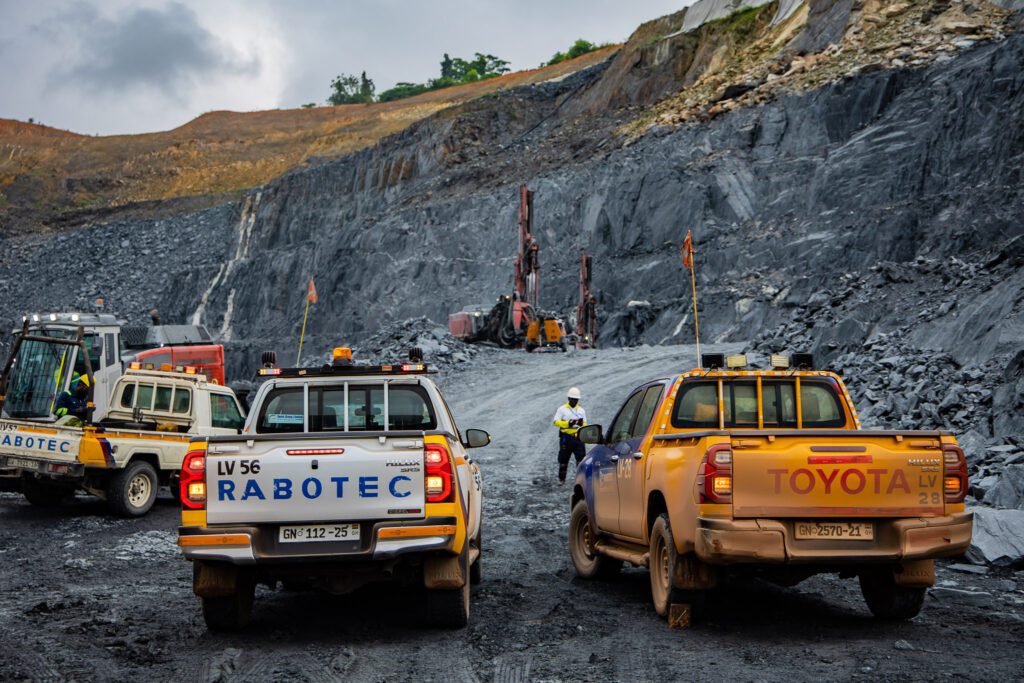
Management noted that nearly 74 cents of every dollar generated at Tarkwa remains within the Ghanaian economy through statutory taxes, dividends, local procurement, and workforce compensation.
Following its initial lease application submitted in November 2025 and a formal renewal proposal delivered to the Ministry in July 2026, Gold Fields maintains that its strategic roadmap balances long-term socio-economic growth with regulatory compliance.
Anatomy of the Dispute: Community Demands vs. Corporate Contributions
The friction between traditional leaders and Gold Fields stems from evolving expectations around mineral asset ownership and localized economic returns.
Chiefs of the Apinto Divisional Council, led by Gyasehene Nana Adarkwa Bediako III, publicly declared that decades of multinational mining have left severe environmental footprints, including over 4,000 hectares of degraded land.
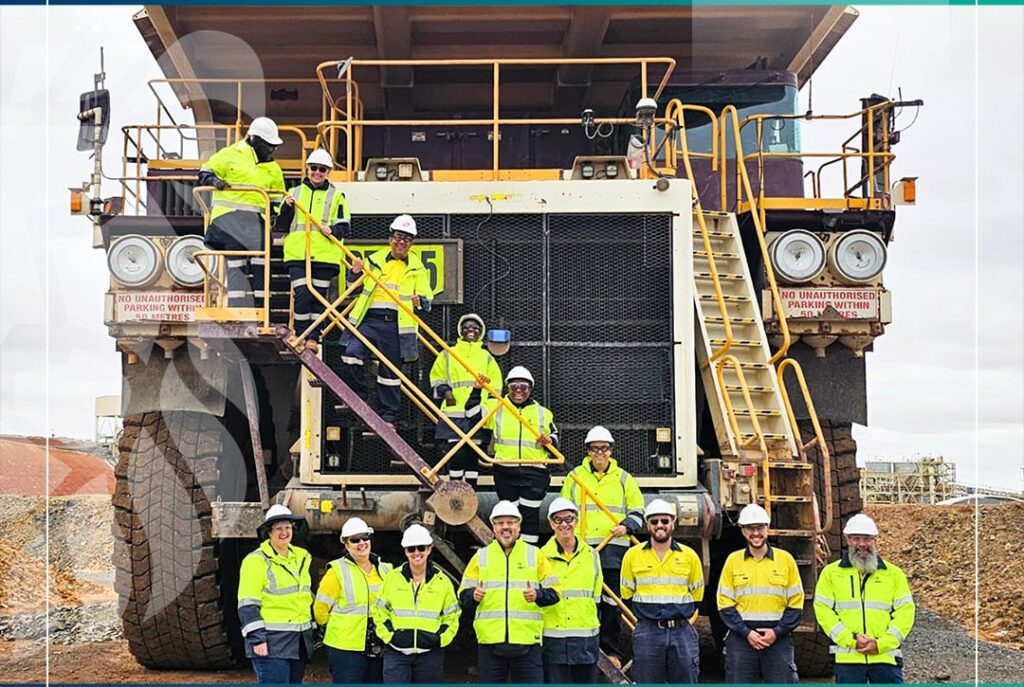
Proposing the “Apinto Shared Prosperity Proposal,” local authorities argue that the impending lease expiration offers a historic transition toward direct community equity ownership or operational handover to indigenous Ghanaian mining firms.
In response to these grievances, Gold Fields provided detailed figures detailing its local investments and workforce inclusion.
The company noted that “approximately 70% of employees at the Tarkwa mine come from host communities, and 99% are Ghanaian.”
Furthermore, corporate disclosures reveal over $110 million invested through the Gold Fields Ghana Foundation in local infrastructure, health, education, and the reconstruction of the Tarkwa and Abosso Sports Stadium.
Environmental Stewardship and Sustainable Mine Rehabilitation
Addressing ecological sustainability, Gold Fields highlighted its ongoing environmental management programs and regulatory certifications.
The company has invested nearly $46 million since 2016 in progressive mine land rehabilitation, spending an average of $4.2 million annually on reforestation, soil restoration, and agricultural reclamation. Operational data shows over 818,000 trees planted since 1998, with an active nursery managing 33,000 additional seedlings.

The company also pointed out its adherence to global environmental standards, maintaining ISO 14001 certification for 23 consecutive years alongside International Cyanide Management Code certification for 18 years.
Gold Fields noted that continuous internal auditing, third-party assurance, and strict regulatory monitoring ensure that mine closure plans remain aligned with long-term ecological balance.
Navigating Foreign Capital and National Resource Ownership
The debate over the Tarkwa lease renewal reflects broader discussions within West Africa’s resource management landscape.
While host traditional councils call for greater resource nationalism and local ownership models, mining houses emphasize the capital intensity and technical complexity required to operate large-scale open-pit gold operations.
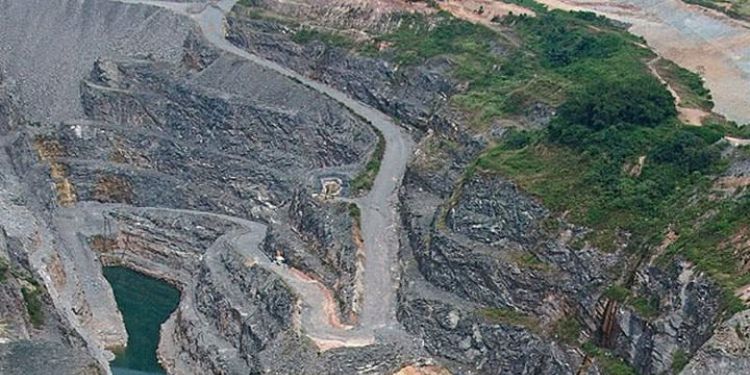
Gold Fields’ latest response aims to reassure international investors and regulatory authorities that Ghana remains a stable, attractive destination for long-term capital deployment.
As regulatory bodies evaluate the 20-year lease extension application, the outcome will serve as an indicator for host-community relations across the extractive sector.
Gold Fields has expressed confidence that its updated proposal designed to expand local procurement, enhance skills training, and deepen local stakeholder participation—will provide a collaborative path forward for both the state and host communities.
READ ALSO: Mahama Hosts First Female Archbishop of Canterbury in Historic Visit