Ghana’s commercial transport operators have temporarily put on hold plans to increase transport fares by 30%, offering short-term relief to commuters while the government seeks measures aimed at easing pressure from rising fuel costs.
The decision followed discussions between transport unions and government officials, who requested more time to address concerns over petroleum prices before the next pricing window takes effect.
Although the planned increase has been suspended for now, transport operators insist that the proposal has not been withdrawn and will be reviewed again after the next fuel price announcement expected on Friday.
For commuters, the pause means daily travel costs will remain unchanged in the immediate term.
For drivers and vehicle owners, however, the underlying financial pressures that prompted the proposed increase remain unresolved.
Operators say fuel costs remain unsustainable
Commercial drivers argue that current pump prices are placing severe strain on their operations.
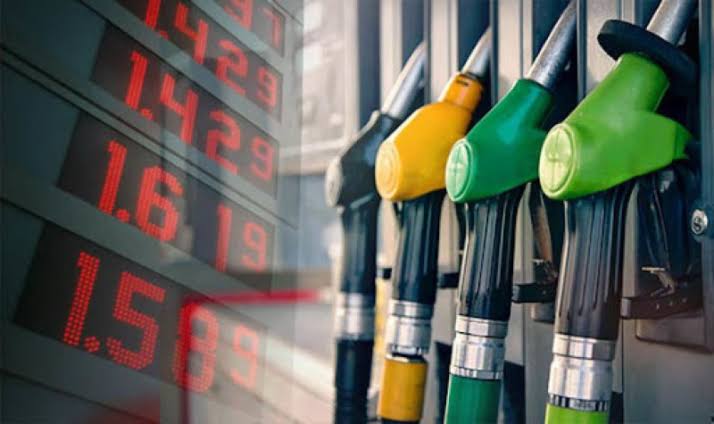
Diesel is selling at about GH¢17.78 per litre, while petrol is priced at roughly GH¢14.95 per litre, increasing the cost of operating taxis, minibuses and other commercial vehicles across the country
Samuel Amoah, Deputy Public Relations Officer of the Ghana Private Road Transport Union (GPRTU), said the unions had agreed to wait for the next pricing window before taking a final decision.
We have not abandoned the proposed fare increase. We are waiting for the outcome of the next pricing window before taking a final decision.
Mr Amoah
Fuel is one of the largest and most volatile components of commercial transport costs.
A sharp rise in pump prices can quickly erode operating margins, particularly on routes with low passenger volumes, heavy traffic congestion or long distances between fuel stations.
Government seeks time to intervene
The temporary suspension gives government a narrow window to introduce measures intended to prevent further increases or possibly reduce fuel prices.
However, officials have not yet disclosed the specific interventions under consideration, leaving uncertainty over their scale, timing and likely impact.
Ghana operates a deregulated downstream petroleum market in which fuel prices are influenced by international refined-product costs, the cedi-dollar exchange rate, taxes, levies and margins across the supply chain.
Any government intervention would therefore need to balance consumer relief with the financial sustainability of oil marketing companies, bulk distributors and transport operators.
Pressure extends beyond fuel
Transport unions say the challenge is not limited to petroleum prices.
Drivers must also contend with rising costs of spare parts, tyres, maintenance, insurance, licensing and daily payments to vehicle owners.
Many of these expenses are directly affected by exchange rate movements and inflation.
As a result, even if fuel prices stabilise, operators argue that profitability on some routes remains under pressure.
Some drivers have reportedly reduced operations on routes they consider unprofitable, raising concerns that transport availability could decline in certain communities even without an official fare increase.
What a 30% increase could mean
A 30% adjustment would have significant consequences for household budgets, particularly for workers, students and traders who depend heavily on public transport.
Higher transport costs could also feed into broader inflationary pressures by increasing the cost of moving food, manufactured goods and other products across the country.

Economists often watch transport fares closely because they can influence retail prices and wage demands, especially in urban areas where commuting expenses form a substantial part of household spending.
The government therefore has a strong incentive to avoid a sharp fare increase as it seeks to preserve recent gains in inflation and macroeconomic stability.
Temporary relief, not a permanent solution
Transport operators say the current pause should not be interpreted as a resolution of the dispute.
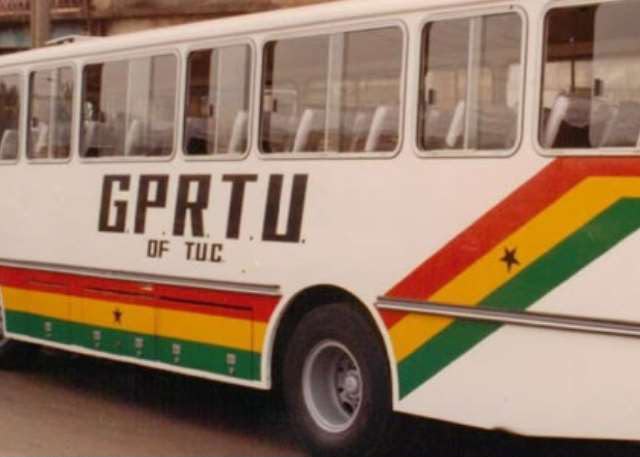
The suspension reflects an attempt to balance the rising operational costs faced by drivers against the burden that a steep fare increase would impose on households.
Transport Union Officials
Industry observers note that prolonged restraint without corresponding reductions in operating costs could encourage informal fare adjustments, route shortening or other practices that create uncertainty for passengers.
In previous periods of fuel-price volatility, some drivers introduced unapproved charges or altered routes to compensate for rising expenses.
Friday’s pricing window becomes the next test
The next petroleum pricing review is now the immediate focus for both government and transport unions.
If fuel prices fall or remain stable, operators may be persuaded to postpone or moderate the proposed increase.
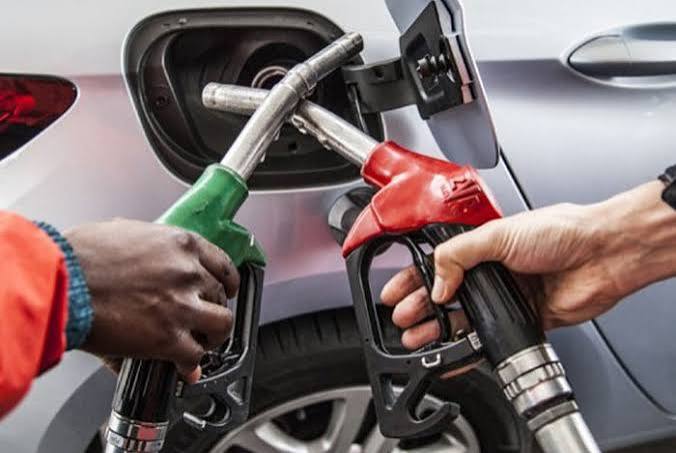
Another rise in pump prices would strengthen the case for a fare adjustment and make it harder for unions to continue absorbing additional costs.
The fare-setting process in Ghana typically involves negotiations between transport unions and government, with adjustments based on changes in fuel prices and other operating expenses rather than fuel costs alone.
For now, commuters have secured a temporary reprieve.
But the broader outcome will depend on whether government measures can provide meaningful relief at the pump and whether transport operators can maintain viable operations without passing a significantly higher cost on to the travelling public.
Until the next pricing window is concluded, Ghana’s transport sector remains caught between two competing pressures: the need to protect household incomes and the need to keep commercial transport financially sustainable