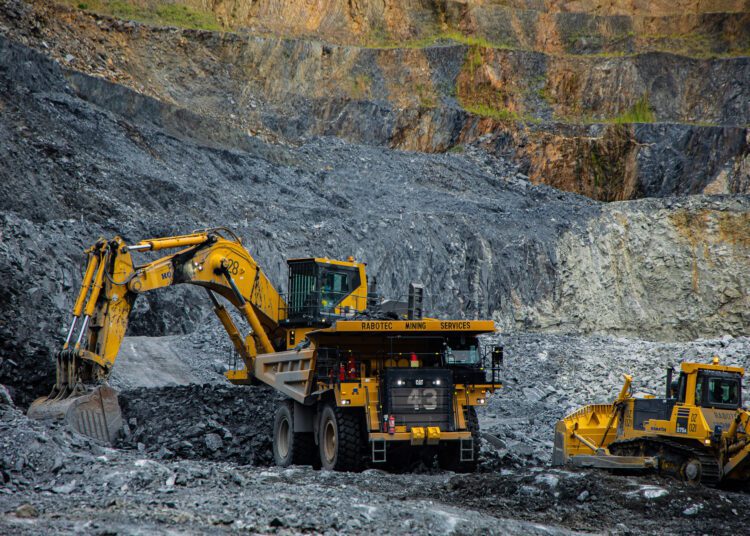
Parliament of Ghana has ratified six major mining lease agreements between the government and incorporated mining companies, transforming long-awaited administrative concessions into legally binding frameworks for major extractive operators, including Perseus Mining (Ghana) Limited, Golden Star (Wassa) Limited, Maripoma Mining Services Limited, and Damang Gold Mine Limited.
By granting these statutory approvals under constitutional mandates, the legislature has effectively unlocked multi-million-dollar investments, guaranteed long-term gold production, and paved the way for substantial socio-economic dividends across host communities and the broader national economy.
“Article 268 (1) of the Constitution and section 5(4) of the Minerals and Mining Act, 2006 (Act 703) stipulate that all transactions, contracts or undertakings involving the grant of a right or concession for the exploitation of any mineral in Ghana are subject to ratification by Parliament. The requirement safeguards national interest by subjecting the management of Ghana’s natural resources to legislative scrutiny.”
Minister of Lands and Natural Resources, Hon. Emmanuel Armah-Kofi Buah
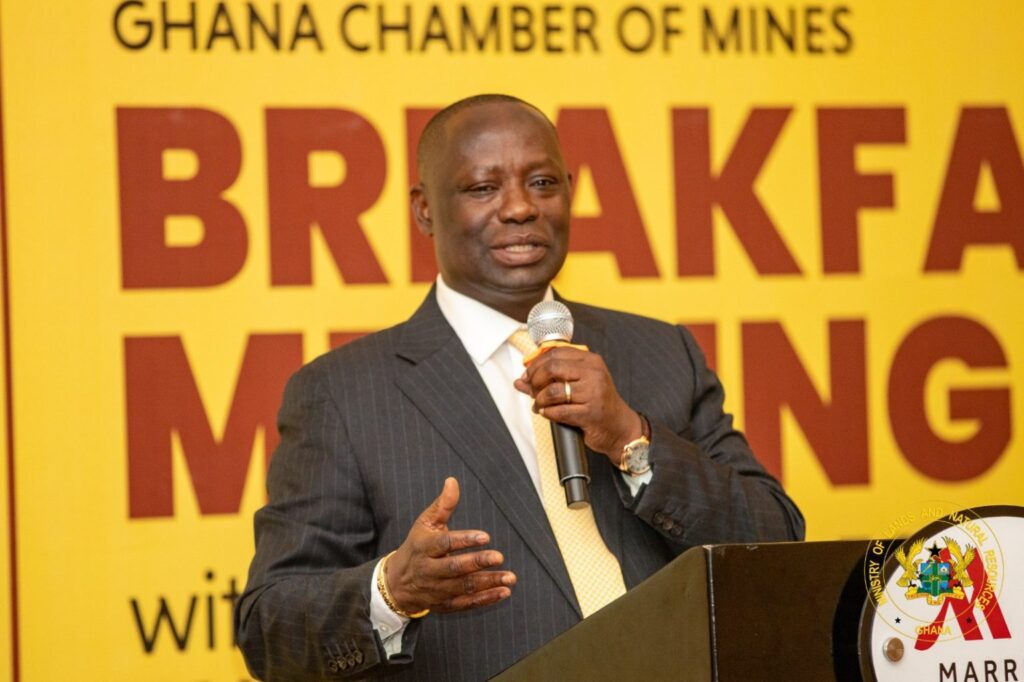
Presented to the legislature on July 26 and 29 by the Minister of Lands and Natural Resources, Emmanuel Armah-Kofi Buah, the approved agreements grant long-term extraction rights across rich mineral corridors.
Golden Star (Wassa) Limited secured a 25-year lease over 63.000 km² in Wassa Akyempin within the Wassa East District of the Western Region, effective from January 26, 2022, to January 24, 2047.
Maripoma Mining Services Limited obtained a quarter-century lease running until March 11, 2049, for its 63.000 km² concession at Zongoiri in the Bawku West District of the Upper East Region.
Meanwhile, Perseus Mining (Ghana) Limited finalized two crucial tracts a 55.44 km² lease in Nanankaw Agyakusu and a 51.45 km² area in Ayanfuri, both straddling the Upper Denkyira West District in the Central Region and Wassa Amenfi East District in the Western Region.
Furthermore, Damang Gold Mine Limited was granted a 25-year agreement covering 33.58 km² at Lima South in the Prestea-Huni-Valley District, while Perseus secured its related lease in respect of Damang, concluding the six-lease legislative package with tenure terms extending to 2046 and 2051.
Statutory Safeguards and Environmental Protection
Prior to recommending approval, the Parliamentary Committee on Lands and Natural Resources confirmed that the Minerals Commission conducted rigorous evaluations of the companies’ feasibility reports, technical competence, financial resilience, and human resource capability.
Addressing ecological concerns regarding concessions near sensitive environments, the committee noted that the agreements explicitly prohibit operators from conducting activities “within 100 metres of any forest reserve, river, stream, building, installation, reservoir, dam, public road, railway or area appropriated for a railway” without prior written consent from the Sector Minister.
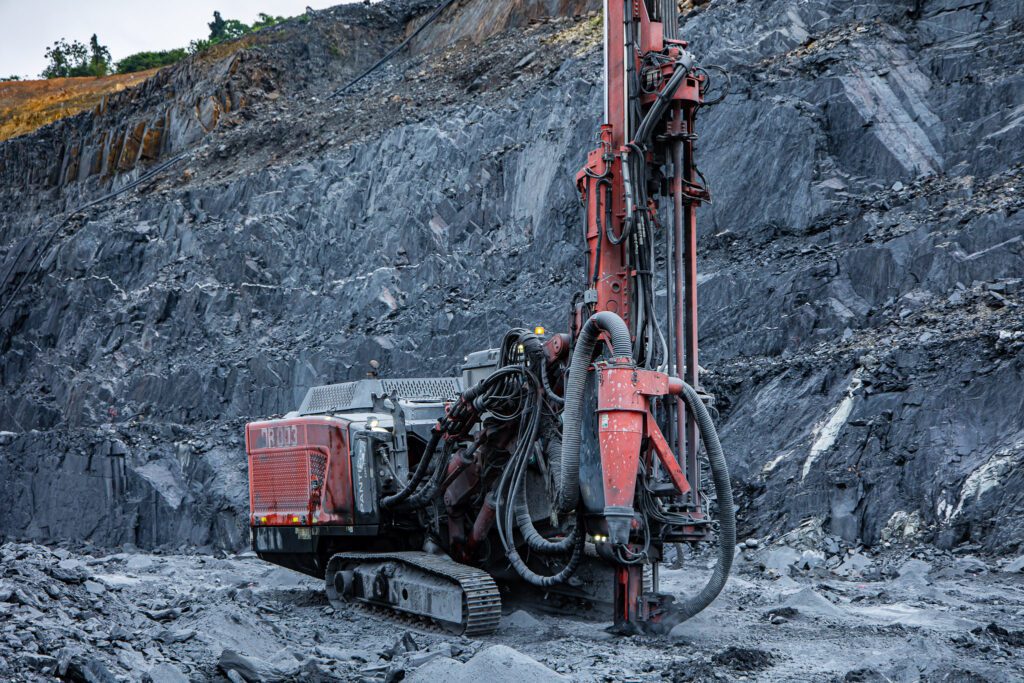
Representatives from the Minerals Commission clarified that legislative ratification alone does not permit immediate field clearance in forest zones, explaining that “companies must secure entry permits, whose requirements help to enforce operational restrictions.”
Consequently, the parliamentary committee urged regulatory authorities to strictly enforce statutory environmental safeguards to shield natural habitats from potential degradation.
Parliamentary Debates and Minority Equity Concerns
However, the legislative outcome was accompanied by sharp political friction from the Minority Caucus, who criticized the government for failing to renegotiate the state’s equity participation in key mining assets.
Speaking on behalf of the Caucus at a media briefing, the Ranking Member on the Lands and Natural Resources Committee, Kwaku Ampratwum-Sarpong, argued that the executive missed a crucial opportunity to increase the state’s equity stake in the Damang Mine from 10 per cent to at least 30 per cent to secure greater long-term revenue.
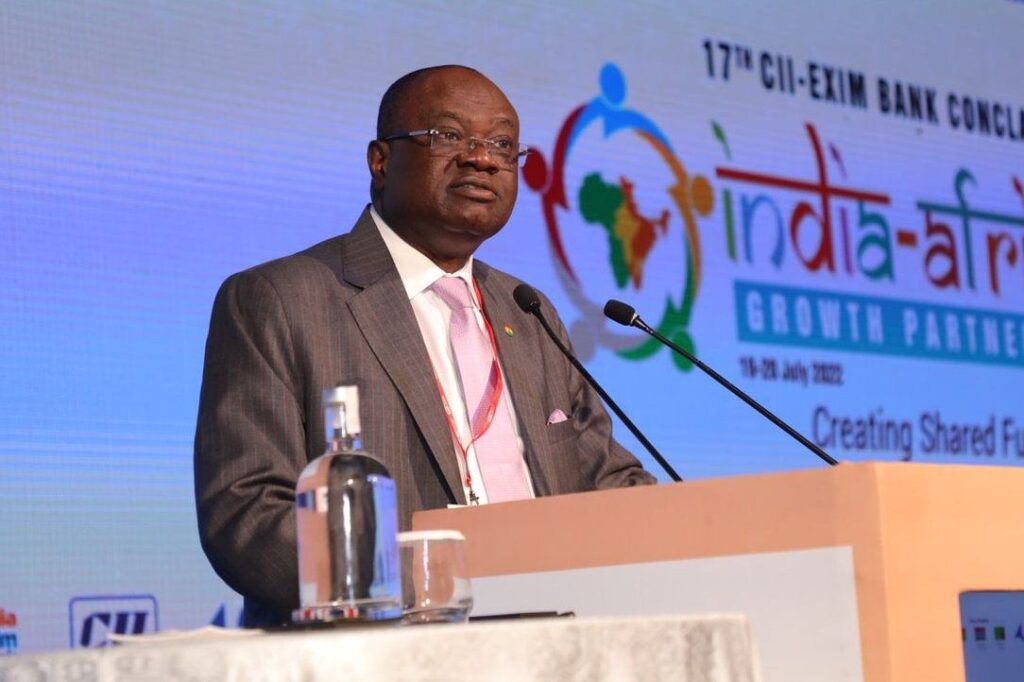
Ampratwum-Sarpong stressed that “Parliament should have examined the full terms of the transaction and all relevant material information thoroughly before approving the agreement,” adding that “Damang is not an ordinary mine; it is one of Ghana’s important mining assets, and its transfer has attracted significant national interest.”
Socio-Economic Impact and National Fiscal Dividends
For host communities across the Western, Central, and Upper East regions, this parliamentary ratification establishes the regulatory stability required to turn corporate commitments into measurable local development.
Formal tenure permits mining companies to deploy capital into long-term infrastructure, direct employment, and local content procurement, directly stimulating district economies in areas like Bawku West and Prestea-Huni-Valley.
Statutory mineral royalties and corporate social responsibility allocations will now flow reliably to District Assemblies and traditional authorities, boosting funding for community infrastructure, educational facilities, and healthcare centers.

At the national level, the parliamentary ratification reinforces Ghana’s standing as a stable, rule-of-law destination for global mining capital.
Securing constitutional validity over these six leases safeguards the country’s fiscal pipeline by ensuring continuous gold production, predictable corporate tax collection, and steady foreign exchange earnings.
Moving forward, the ultimate value of these agreements will depend on rigid oversight by the Minerals Commission and the Environmental Protection Agency, ensuring that mineral extraction drives sustainable national growth without sacrificing environmental compliance.
READ ALSO: International Self-Interest Undermines Response to Ebola Outbreaks