A seasoned Analyst at the Kofi Annan International Peacekeeping Training Centre (KAIPTC) has argued that any U.S.-backed effort to secure the complete disarmament of Hamas will depend not only on the destruction of its military capabilities but also on dismantling its command structures, financing networks and operational links before Israel is likely to withdraw its forces from Gaza.
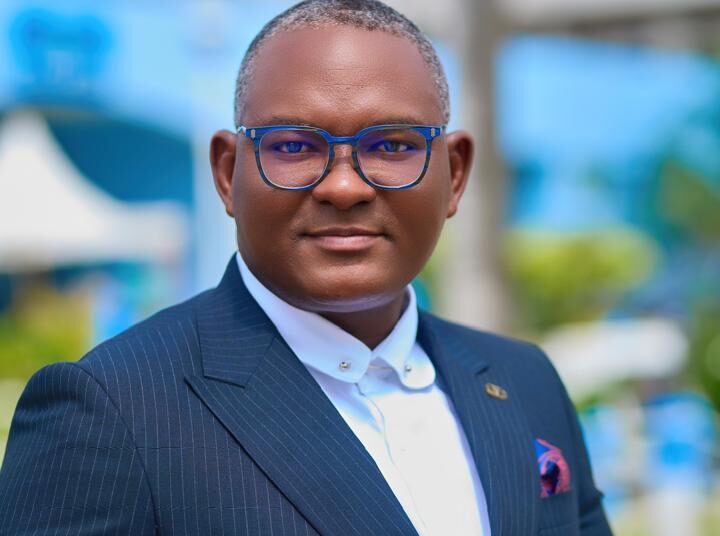
Speaking in an exclusive interview with The Vaultz News, Dr. Victor Kofi Afetorlom Doke assessed the proposed U.S.-brokered ceasefire framework, which envisions the phased disarmament of Hamas and other armed groups alongside an eventual Israeli troop withdrawal and the reconstruction of Gaza.
According to Dr. Doke, the success of the initiative rests on whether the international coalition behind the plan can effectively eliminate Hamas’ operational capacity while securing cooperation from regional allies. “Hamas has been labeled as a terrorist organization,” he said, noting that many states and international actors have treated the group through a security lens.
“They are narrowing their efforts on Hamas as a terrorist group and its organizations. Not only that, but they are looking at the financiers of this terror organization also.”
Dr. Victor Doke
He argued that a coordinated international effort could significantly weaken the group’s military infrastructure if sufficient political will and resources are mobilized. “Realistically, if they want to obliterate or do away with activities of Hamas, they can do it,” the Analyst said, adding that such an effort would require support from allies, including Israel and regional Arab partners.
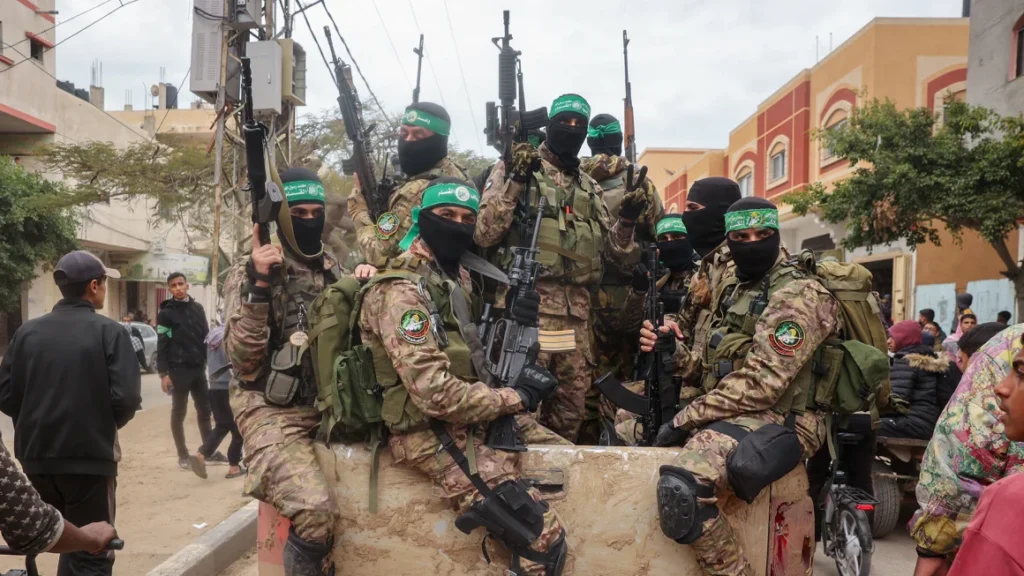
However, Dr. Doke suggested that external actors with ties to Hamas could complicate implementation, particularly in relation to regional geopolitics. Referring to Iran as a known supporter of Hamas, the analyst said any disarmament effort would inevitably intersect with broader regional tensions. “There will be a little bit of resistance, but overall, we’re looking at how superpowers can deal with this,” he observed.
He further suggested that if military operations against Hamas continue with sustained intensity, the group’s operational capacity could eventually be eliminated.
Israeli Withdrawal Tied To Security Assessment
On the question of whether Israel would withdraw its troops following the proposed disarmament process, the Analyst maintained that Israeli decisions would be driven primarily by national security assessments rather than political assurances. “Whatever poses a threat to Israel, it will react militarily,” he said.

Fellow with the Faculty of Academic Affairs and
Research (FAAR) at the KAIPTC.
According to Dr. Doke, Israel would require clear and verifiable evidence that Hamas no longer possesses the ability to conduct military operations before considering a withdrawal.
“If and only if Israeli security or intelligence… has identified that Hamas is still in existence, and they are having links, and their operations, their commanders are still in existence, you would trust that Israel will go all out.”
Dr. Victor Doke
The Analyst stressed that dismantling Hamas would involve more than collecting weapons.
“The supply chain of the weapons, training, command chain—all of these things have to be broken down. Breaking down means that they would have to be non-existent. They have to be zero links in these areas.”
Dr. Victor Doke
He added that Israel would likely expect public declarations regarding the destruction of weapons stockpiles, the dissolution of command structures and an end to financial support for Hamas before concluding that the security threat had been sufficiently reduced. “So far as a threat assessment has been carried out with regards to Hamas, their commanders, weapons [and] operations, Israel would definitely protect its territory and its people by going all out militarily against Hamas,” Dr. Doke opined.
Reconstruction Requires More Than Rebuilding Infrastructure
Beyond security arrangements, Dr. Doke asserted that the long-term success of any peace framework would depend on rebuilding Gaza’s political institutions and governance structures alongside physical reconstruction.
He suggested that former Hamas members could potentially become part of broader reintegration programmes if a lasting settlement is achieved. “When you talk about reconstruction, you’re looking at how you can even integrate these members into society, if need be,” he said, adding, “They may be offered some packages to begin their lives, self-sustenance packages and all of that.”
Dr. Doke also noted that reconstruction should extend beyond rebuilding damaged infrastructure to include restoring functioning governance, strengthening institutions and establishing the rule of law.
“You need a leader. Not only a leader, but you need a political system. Apart from the political system, you need a rule of law. Institutions, civil society—a lot of things are going to go…all these things will have to be looked at.”
Dr. Victor Doke
The analyst said both short-term recovery measures and longer-term institutional reforms would be necessary to prevent renewed instability.
While expressing confidence that the resources and capacity for reconstruction could be mobilized, the analyst maintained that the willingness of Hamas to disarm would ultimately determine whether lasting peace is achievable. “If they are not willing to lay down their weapons for reconstruction to begin, then we are looking at a win-lose situation, not a win-win situation,” he stated.
Dr. Doke’s remarks point out that while the proposed disarmament framework presents an opportunity to reduce hostilities, its success will ultimately depend on the willingness of all parties to fulfil their commitments. Beyond dismantling Hamas’ military capabilities, the analyst stressed that lasting peace would require credible verification, political reforms, functioning institutions and sustained reconstruction efforts.
Without genuine commitment to disarmament and governance reforms, he warned, any ceasefire risks becoming only a temporary pause rather than a durable solution to the conflict.
READ ALSO: Osae-Kwapong: Open Primaries Will Make Vote Buying Too Expensive To Sustain