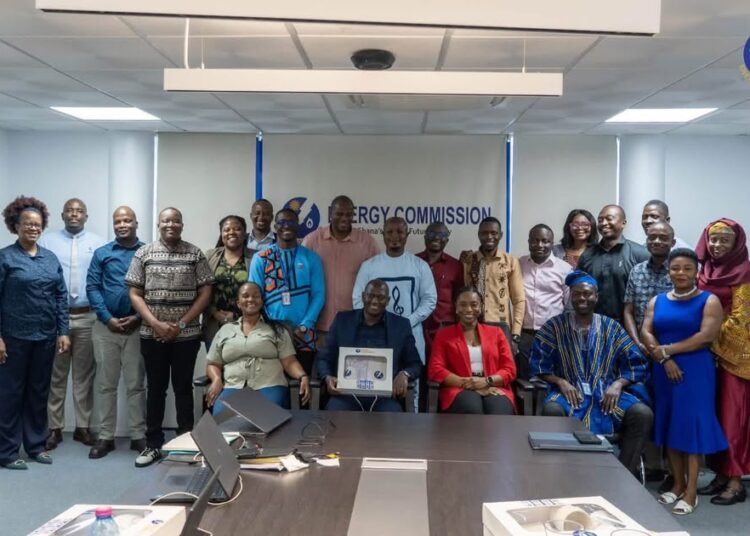
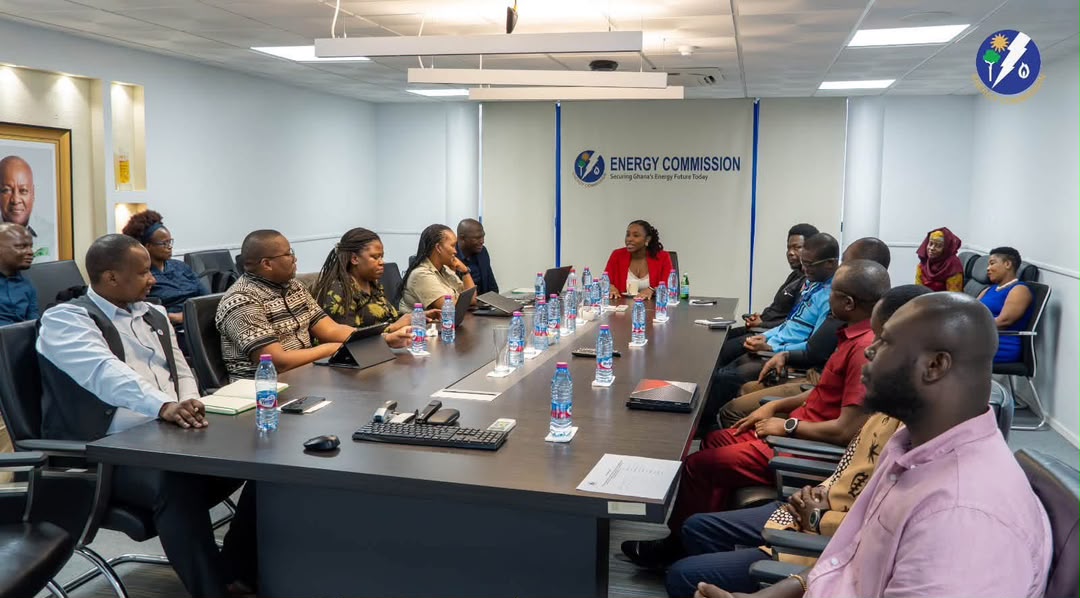
Ghana has strengthened its role as a regional reference point for energy efficiency regulation after the Energy Commission hosted a technical delegation from Eswatini for a knowledge-sharing programme focused on appliance standards, compliance systems and market oversight.
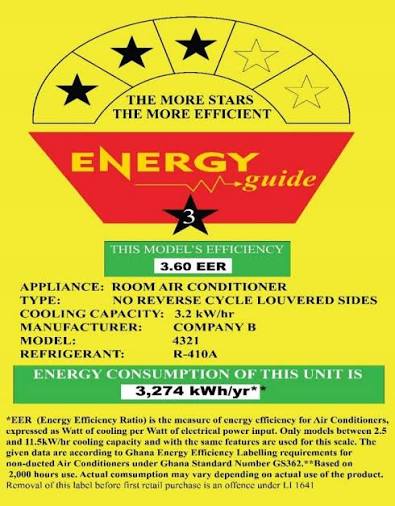
The nine-member Eswatini delegation engaged with Ghanaian experts on the design and implementation of Minimum Energy Performance Standards (MEPS), energy labelling, market surveillance, testing procedures, compliance monitoring and consumer awareness programmes.
The visit reflects growing interest among African countries in using regulatory measures to improve electricity efficiency, reduce energy waste and manage rising power demand from households, businesses and public institutions.
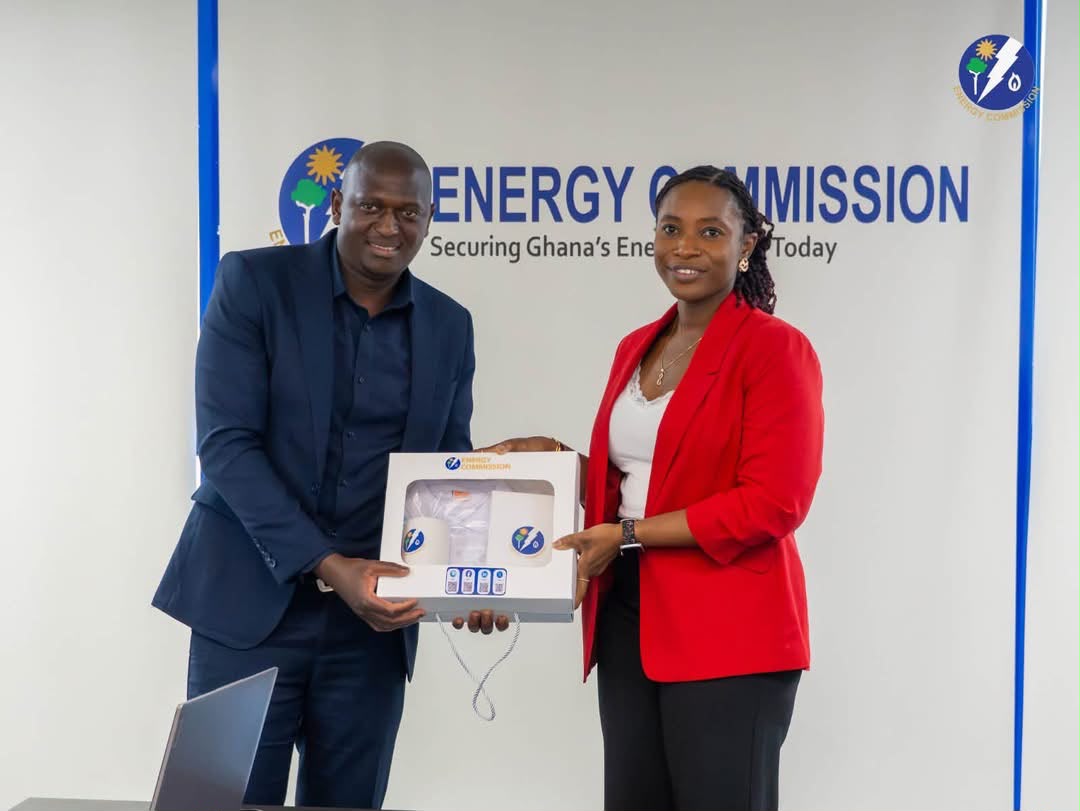
Acting Executive Secretary of the Energy Commission, Adwoa Serwaa Bondzie, led the Ghanaian side of the engagement.
The exchange demonstrates the value of practical African solutions in building stronger energy-efficiency systems across the continent.
The discussions emphasized
Energy efficiency moves to the centre of electricity planning
The focus on appliance standards is significant because energy efficiency is increasingly being treated as a supply-side resource rather than only a conservation measure.
For countries facing rising electricity demand, reducing the consumption of inefficient appliances can delay the need for additional generation capacity, lower system costs and improve energy security.

Ghana has developed one of the more established energy-efficiency frameworks in West Africa, with MEPS and labelling requirements covering several categories of electrical appliances.
The Eswatini delegation reportedly sought detailed clarification on how Ghana enforces these standards in practice, including the role of testing, inspections and market surveillance.
Enforcement becomes the critical question
The discussions highlighted a challenge common across many African energy markets: adopting standards is often easier than enforcing them.
The Eswatini team raised questions about Ghana’s regulatory and enforcement approaches, suggesting particular interest in how the Commission monitors compliance, detects non-conforming products and protects consumers from inefficient or falsely labelled appliances.
Analysts say this is the stage at which many efficiency programmes either succeed or lose credibility.
“The effectiveness of MEPS depends less on the regulation itself than on the strength of testing, inspections and market enforcement.”
Without credible enforcement, inefficient products can continue entering the market, undermining both consumer confidence and national energy-saving targets.
Clean energy demonstration included in the visit
As part of the programme, the delegation toured the Energy Commission’s solar charging station, where officials showcased Ghana’s progress in integrating clean-energy technologies into public infrastructure.
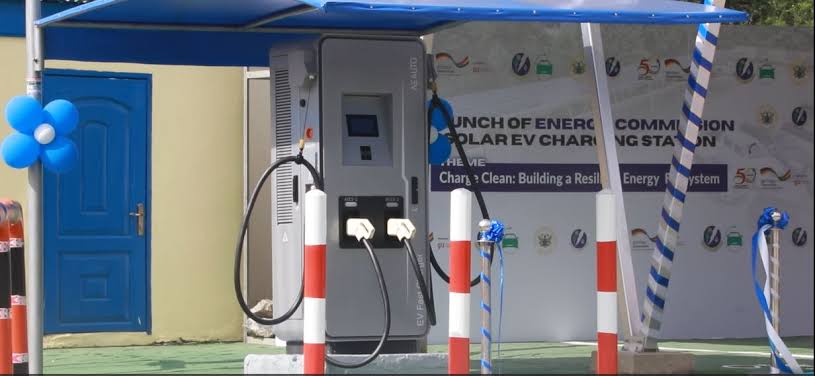
According to the Commission, the visitors commended Ghana’s progress in renewable-energy deployment.
The inclusion of the solar facility broadened the engagement beyond appliance efficiency and connected it to Ghana’s wider clean-energy agenda, including distributed solar systems and low-carbon electricity initiatives.
South-South cooperation gains practical relevance
The visit is being framed as part of broader Ghana-Eswatini cooperation and South-South knowledge exchange.
Unlike traditional technical assistance models that rely heavily on external consultants, South-South cooperation allows countries facing similar infrastructure, financing and institutional constraints to share operational experience directly.
For Eswatini, the engagement supports ongoing efforts to develop regulations for electrical and electronic equipment and appliance standards.
For Ghana, it reinforces the country’s growing profile as a source of regulatory and technical expertise in energy governance.
Why this matters for Ghana
Beyond diplomacy, the engagement has strategic value for Ghana’s own energy objectives.
The country is seeking to improve electricity efficiency while expanding renewable energy and strengthening grid resilience.

More efficient appliances can reduce peak demand, lower electricity bills and improve the effectiveness of investments in generation and transmission infrastructure.
The exchange also highlights an often-overlooked aspect of energy transition: the cheapest unit of electricity is frequently the one that does not need to be generated.
In economies where capital for new power infrastructure is constrained, efficiency standards can deliver savings at a fraction of the cost of additional generation capacity.
A regional signal on energy governance
The Accra engagement suggests that African energy cooperation is increasingly extending beyond cross-border power trade into the area of regulatory harmonisation and technical standards.
If countries adopt more compatible appliance standards and enforcement systems, manufacturers and importers could face lower compliance complexity across multiple markets.
That could improve the quality of products available to consumers while supporting the gradual development of larger regional markets for efficient electrical equipment.
From policy to implementation
The deeper lesson from the Ghana–Eswatini exchange is that energy efficiency is no longer a peripheral environmental issue.
It is becoming a core element of electricity planning, industrial policy and energy security.
The challenge for many African countries is not the absence of policy ambition, but the transition from policy documents to functioning enforcement systems.
Ghana’s experience with MEPS, labelling and market surveillance is therefore attracting attention because it offers practical lessons on implementation rather than theory alone.
As electricity demand continues to rise across the continent, the significance of such exchanges is likely to grow.
For Ghana, hosting the Eswatini delegation reinforces the country’s position not only as an energy consumer and producer, but increasingly as a contributor to the development of African energy regulation, efficiency governance and low-carbon transition strategies.
READ ALSO: Revised Basic School Curriculum Yet to Be Adopted by Government