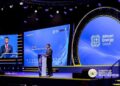
Tourism, Culture and Creative Arts Minister Hon. Abla Dzifa Gomashie has outlined further strides in transport safety, international cultural exchanges, skills training and the promotion of Ghanaian languages as part of the sector’s 2025–2026 performance.
Speaking at the Government Accountability Series, Gomashie detailed initiatives designed to improve visitor experience, deepen diplomatic ties and safeguard linguistic heritage in line with the NDC manifesto.
On transport, she announced the launch of the Fleet Pool Management Service (FPMS) under a public-private partnership model. The scheme targets unregulated and unsafe tourism transport.
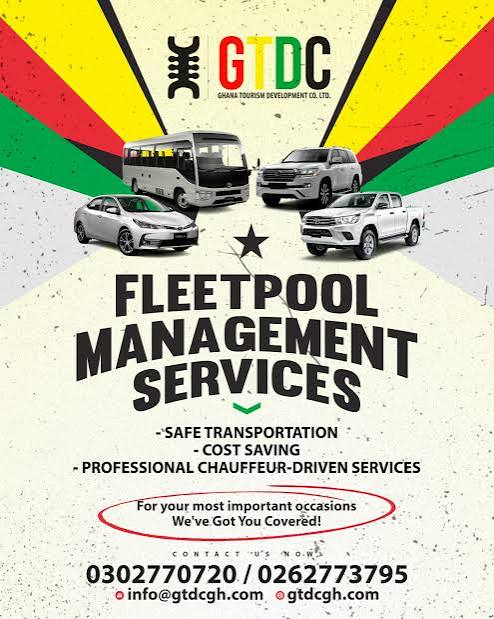
“Through the FPMS, we are certifying drivers, improving safety standards, and enhancing visitor experience, recognizing that transport quality is significantly correlated to tourist satisfaction and repeat visits”
Hon. Abla Dzifa Gomashie, Minister of Tourism, Culture and Creative Arts
The Minister also recalled presenting Ghanaian chocolate on the floor of Parliament and the improved experiences offered to travellers at airports and on the streets.
International cooperation formed a major plank of the year’s work. In fulfilment of manifesto commitments to strengthen tourism and cultural diplomacy, Ghana intensified engagement with countries including China, Greece, Russia, Jamaica, New Zealand, Burkina Faso, Senegal and Egypt.
These partnerships produced cultural exchange programmes in which Ghanaian artists performed abroad and foreign artists visited Ghana.
The activities focused deliberately on destination promotion, investment attraction and diaspora engagement. “Tourism and cultural diplomacy has therefore become an important pillar of Ghana’s economic diplomacy,” Gomashie stated. She acknowledged the leadership of President John Dramani Mahama and the Minister for Foreign Affairs, whose efforts had amplified the Ministry’s international drive.
Skills development through the Hotel, Catering and Tourism Training Institute (HOTCATT) received significant attention. The institute expanded TVET-aligned training, industry-based programmes and internships nationwide.
In 2025 alone, dozens of trainees completed certificate courses, short courses and structured industrial attachments, improving service quality and youth employability. HOTCATT has been accredited by the Commission for Technical and Vocational Education and Training (CTVET).
It has also launched partnership programmes with ABE Global, a UK-accredited training institute, to deliver professional certificates for frontline staff and advanced diplomas for supervisors. Memoranda of understanding are being prepared with technical universities across Ghana and key regional universities to establish regional centres and mobile training units that bring instruction closer to communities.
“Between 2020 and 2026… more than 4,000 trainees and professionals had been trained. We are targeting training at least 5,000 personnel per annum beginning 2026”
Hon. Abla Dzifa Gomashie, Minister of Tourism, Culture and Creative Arts
Future Plans
One of Gomashie’s preferred subjects was the restructuring of the Bureau of Ghana Languages (BGL). The NDC manifesto had promised to restructure and mandate the Bureau to standardise the development of Ghanaian languages; the Ministry has advanced that agenda through its agency. In November 2025 the Bureau organised the Ghana Languages Dialogue to educate citizens on the value of speaking local languages.
Working with the Member of Parliament for Ahanta West, the Ministry and BGL launched the orthography of the Ahanta language to support the production of reading and learning materials. Additional standardised orthographies were launched for Kusaal (spoken by the Kusasi), Likpakpaaln and Sissala. “We have successfully moved from 11 to 16 standardized Ghanaian languages,” Gomashie reported.
Three more orthographies are scheduled for launch before the end of 2026 so that the President’s vision can be fully realised.
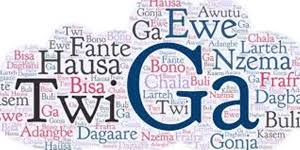
Preservation efforts continued with the Ghana Languages Festival held in July 2025. The annual event educates Ghanaians on the need to speak and transmit their mother tongues to the next generation. The Minister invited the public to join the celebration every 21 February (International Mother Language Day) in honour of the country’s linguistic diversity.
The Bureau is also animating Ghanaian languages through cartoons so that children can encounter their culture in an engaging format.
Gomashie began to address the National Film Authority, describing the film industry as a vital component of the creative economy, before the recorded remarks concluded.
Collectively the measures-safer tourism transport, expanded cultural diplomacy, scaled-up hospitality training and the systematic standardisation of Ghanaian languages illustrate a multi-pronged approach to building a more competitive, inclusive and culturally rooted tourism and creative sector.
The Minister presented the progress as concrete delivery on manifesto pledges and as foundations for sustained growth in visitor satisfaction, youth employment and national identity.
READ ALSO:University Administrators Demand Fair Pay Across Public Universities