
The Ghana Gold Board (GoldBod) Chief Executive Officer, Sammy Gyamfi, has asserted that the financial trajectory of the state institution should not be judged strictly by isolated balance-sheet deficits, but rather by its overarching contribution to Ghana’s foreign exchange liquidity, currency appreciation, and systemic economic stability.
Addressing ongoing discourse surrounding state mineral interventions, he argued that the economic value realized across the broader extractive ecosystem far outweighs accounting losses incurred during initial operational scaling.
“The question that Ghanaians should be asking is whether or not the performance of GoldBod is impacting the lives of the people of this country positively. And if you did that analysis, you would come to the conclusion that GoldBod is achieving remarkable successes, and these successes account, to a large extent, for the sustained economic stability we are all witnesses of and enjoying today.”
Sammy Gyamfi
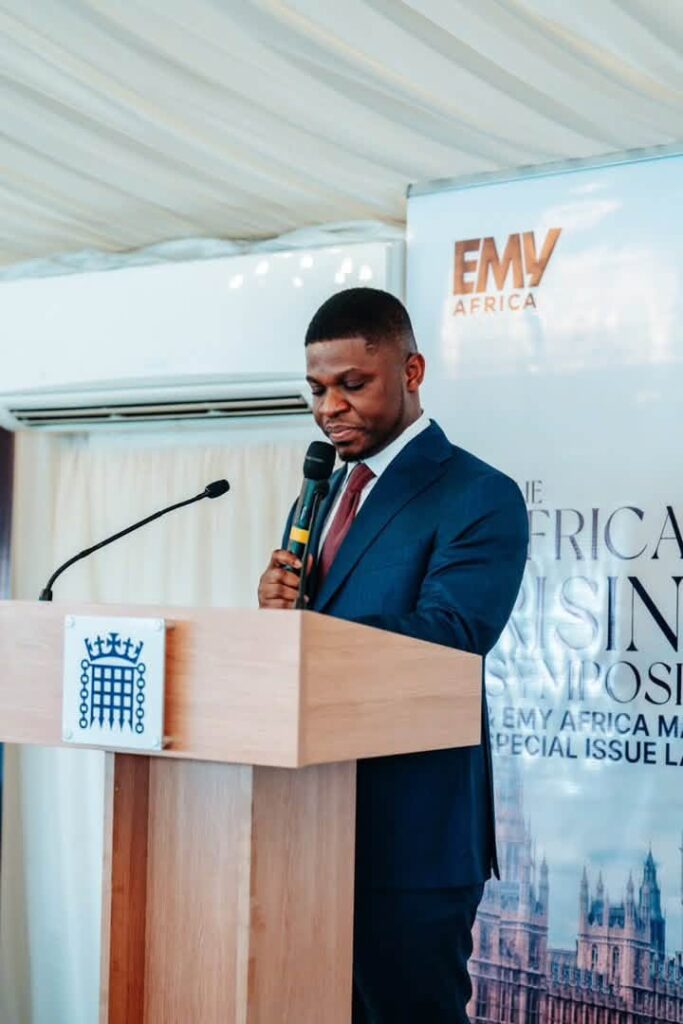
Mr Sammy Gyamfi noted that GoldBod’s strategic interventions executed in direct collaboration with the Bank of Ghana have fundamentally reshaped the nation’s macroeconomic fundamentals.
While acknowledging fiscal scrutiny following the IMF Country Report No. 26/213, which highlighted operational losses exceeding US$1.7 billion (approximately 1.5% of GDP) under the Domestic Gold Purchase Programme in 2025, he emphasized that these expenditures were necessary absorption costs to secure unprecedented foreign exchange inflows and build durable external buffers.
Macroeconomic Stabilization and Foreign Exchange Inflows
Mr Sammy Gyamfi provided a detailed defense of the institution’s balance sheet, maintaining that public debate must transition from narrow fiscal accounting to comprehensive value creation.
He disclosed that GoldBod’s commercial operations in the artisanal and small-scale mining (ASM) sector yielded groundbreaking results, accumulating over US 10.8billion gross foreign exchange earnings.
The massive liquidity infusion had an immediate, transformative effect on national financial indicators.

Increased foreign currency supply successfully halted historical depreciation cycles, driving a remarkable appreciation of the Ghana cedi by over 41% a level of currency strengthening unseen in recent decades.
Furthermore, Ghana’s gross international reserves expanded significantly from US 13.8 billion by December 2025, providing the country with unprecedented import cover and a robust defensive buffer against external economic shocks.
Structural Transformation of Ghana’s Gold Trade
Beyond immediate currency stabilization, GoldBod’s operational mandate has engineered a structural overhaul of Ghana’s domestic gold trading architecture.
Historically, the artisanal and small-scale gold sector was plagued by pervasive illegal smuggling, under-reporting, and predatory off-taker agreements that siphoned billions in value away from the sovereign treasury.
By establishing official, well-capitalized purchasing posts across mining districts, GoldBod redirected informal gold flows into legal, trackable supply chains.
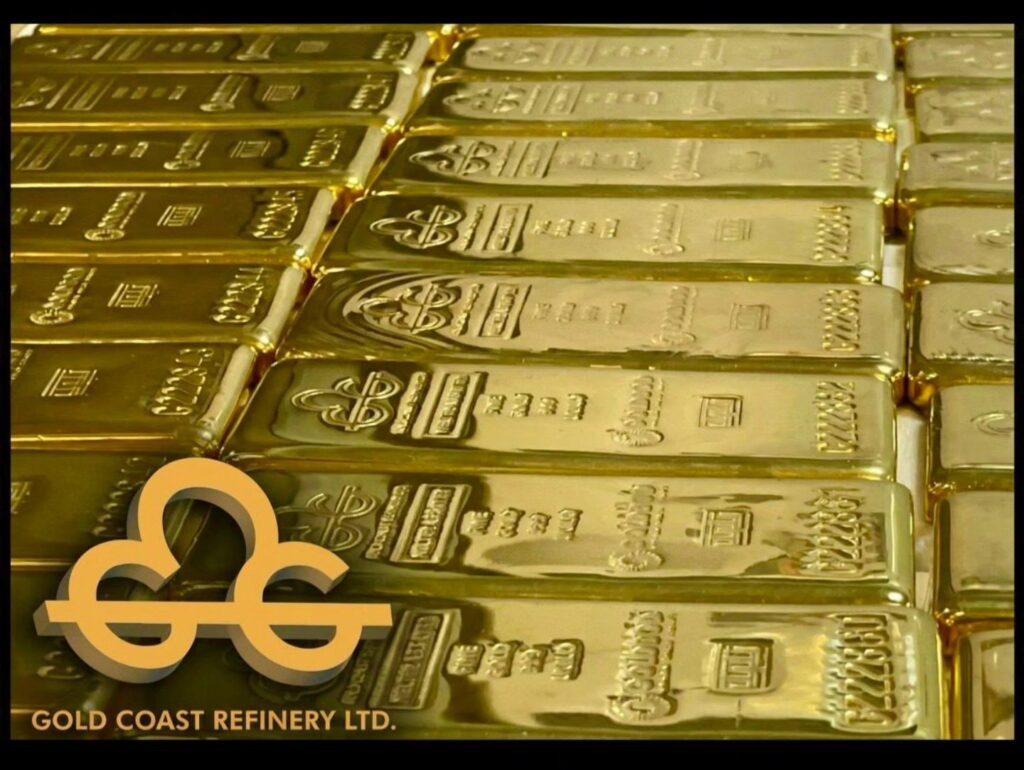
This formalization strategy guaranteed fair pricing for local artisanal miners while capturing raw gold reserves directly for central bank aggregation.
The institutionalization of the gold-for-reserves model has effectively decoupled Ghana’s currency stability from volatile international capital flows, anchoring national creditworthiness to tangible domestic gold production.
Consequently, local trade dynamics have shifted from speculative export leakages to a disciplined fiscal mechanism that directly underwrites national sovereign solvency.
Reassessing Sovereign Value in Extractive Governance
Concluding his address, Mr Gyamfi insisted that judging GoldBod purely through short-term trading margins fundamentally misinterprets the strategic purpose of state extractive enterprise.
In resource-rich developing economies, state-backed commodity boards operate primarily as policy instruments designed to internalize resource value, stabilize national markets, and protect purchasing power.
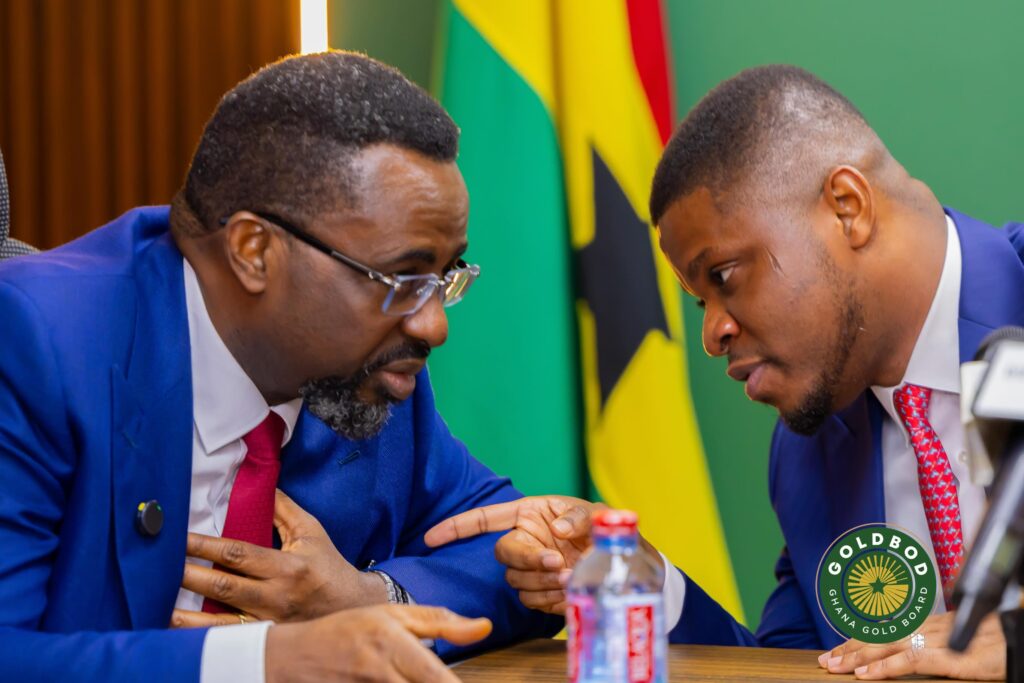
As Ghana navigates its broader post-recovery economic framework, the consensus within the extractive sector suggests that GoldBod’s model has established a vital precedent.
By converting underground mineral wealth into verifiable central bank assets and market liquidity, the institution has demonstrated that short-term fiscal trade-offs can yield generational gains in macroeconomic resilience.
READ ALSO: Legal Vacation Does Not Shut Down The Courts, Deputy Attorney-General