The world is experiencing another summer of increasingly disruptive extreme weather, with record heat, persistent drought, destructive wildfires, heavy rainfall and flooding affecting communities across the Northern Hemisphere and beyond.
The World Meteorological Organization (WMO) has warned that the continuing sequence of high-impact weather and climate events highlights the urgent need for reliable and timely forecasts, early-warning systems and climate information services to help governments and communities prepare for increasingly disruptive hazards.
The warning comes as global temperatures remain exceptionally high. July 2026 was the joint second-warmest July on record, with the global average surface air temperature reaching about 1.47°C above the estimated pre-industrial level of 1850-1900, according to the Copernicus Climate Change Service.
Simultaneously, global sea surface temperatures hit their highest point ever for the month of July, contributing to a climate system that was already causing more extreme weather events.
The combination has been most noticeable in Western Europe, where extended heat and exceptionally dry weather have increased strain on ecosystems, agriculture, water resources, transportation, and energy systems while fostering an environment that is conducive to catastrophic wildfires.
Western Europe experienced its hottest June-July period on record, while several countries have continued to experience severe heat into August. France is facing widespread extreme temperatures, with many areas expected to exceed 35°C during the week of 10 August.
Switzerland has also issued an amber heat alert for temperatures above 35°C, while Britain’s Met Office has warned that temperatures could reach 36°C in parts of southern England by 13 August.
The latest Copernicus assessment confirmed the exceptional nature of the European heat. France recorded its warmest July on record, while Spain experienced its joint-warmest July. Provisional UK figures indicated that July was the country’s second-warmest on record, while Wales experienced its warmest July and England tied its record for the month.
Moreover, Central Europe and the Balkans have also experienced extraordinary temperatures, with numerous station and national records broken in countries including Austria, Hungary and Slovakia during the first week of August.
But the climate crisis is not manifesting itself through heat alone.
While some regions have been struggling with prolonged dryness and fire, others have been hit by intense rainfall and flooding. Parts of West Africa are experiencing heavy monsoon rainfall and flooding, while South Asia faces continuing risks from exceptionally heavy precipitation.
WMO has warned of heavy to locally very heavy rainfall, with potential flash floods and landslides across parts of India, Pakistan, Nepal, Bangladesh, Bhutan, Myanmar and Southeast Asia.
Dozens of people have been killed in monsoon flooding in India, while forecasters expect further episodes of exceptionally heavy rainfall across central and northwest India and the Himalayan region.
A new low-pressure system is also expected to develop over the Bay of Bengal, bringing additional rainfall to India’s eastern coast.
Meanwhile, China has initiated emergency response procedures, including mass evacuations, ahead of Typhoon Dolphin’s landfall. The storm, the season’s 13th typhoon, triggered several warnings of severe gusts, torrential rainfall, and deadly flooding.
According to John Kennedy, Head of Climate Information at the WMO, “what we have seen over the last few months is the combined effect of long-term warming with a persistent pattern of alternating high- and low-pressure systems stretching across the northern hemisphere.”
“The high-pressure areas are more typically associated with high temperature and dry conditions and the low-pressure areas are cooler and wetter.”
According to Kennedy, these atmospheric patterns can persist for days or even weeks, allowing extreme conditions to become entrenched across large geographic areas.
“These kinds of high-pressure patterns can last days or even, as we have seen this year, for weeks. In June, these areas of high-pressure and the associated high temperatures simultaneously affected Central Asia, North America, and Western Europe. In July and at the start of August, the same approximate areas were affected as were parts of East Asia.”
Growing Climate Extremes Raise Global Concerns
The latest climate data also point to growing concern over the world’s oceans, which play a crucial role in regulating global temperatures and influencing weather systems.
July recorded the highest global sea surface temperatures ever observed for the month across the extra-polar oceans, according to the Copernicus Climate Change Service.
Particularly high temperatures were recorded across the tropical Pacific, where El Niño conditions are present and are forecast to strengthen in the coming months.
Around Europe, record sea surface temperatures across the Atlantic and western Mediterranean were associated with widespread strong or severe marine heatwaves, placing additional pressure on coastal ecosystems and communities.
The adverse effects of prolonged heat have also spread to freshwater systems.
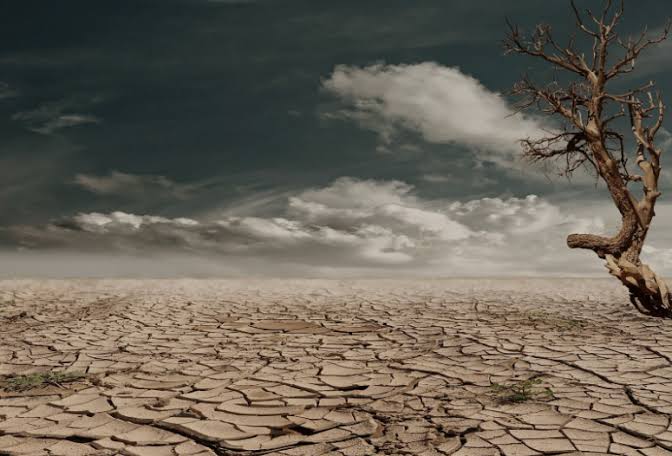
Between March and June, much of Western Europe suffered abnormally dry conditions, which continued and intensified into July. France, Spain, sections of Germany, and the United Kingdom saw abnormally low rainfall or soil moisture levels.
River flows fell drastically below average in various regions. The Seine, Rhine, and Danube rivers were particularly affected, posing possible challenges for water supply, irrigation, transportation, and energy production.
Moreover, wildfires have emerged as another major consequence of the prolonged heat and dryness. July saw exceptional wildfire activity across Western Europe, both in terms of the amount of land burned and the volume of emissions produced.
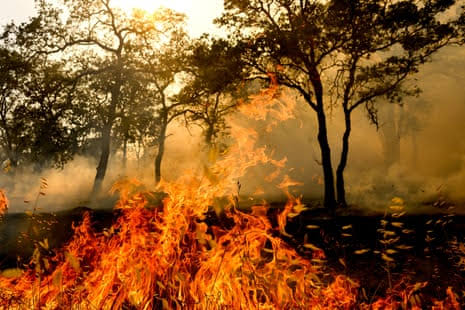
Data from the Copernicus Atmosphere Monitoring Service indicate that France’s year-to-date fire emissions in 2026 are comparable to or higher than those recorded during the country’s extreme fire years of 2022 and 2023. The current trajectory places France on course for one of its most extreme fire seasons in the past 24 years. Spain has also recorded fire emissions well above the seasonal average.
The situation is not limited to Europe. Fires are also active across parts of the western United States, while Canada continues to battle hundreds of active wildfires, including dozens classified as out of control.
The scale and geographical spread of these events are placing increasing pressure on emergency services and exposing the economic consequences of extreme weather.
READ ALSO: Ghana’s Trade Explodes to US$52.5bn After Two Decades