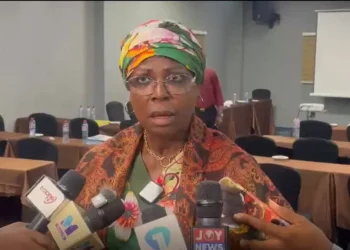
The Deputy Public Relations Officer of GPRTU, Samuel Amoah has disclosed that the union is investigating reports of unauthorised transport fare increases in parts of the country. He explained that complaints received from commuters prompted the union to verify the affected locations and engage the leadership of other transport unions.
Mr Amoah revealed that some drivers began increasing fares despite an agreement among transport operators to suspend the proposed increment. The arrangement involves the GPRTU and the Ghana Road Transport Coordinating Council, which represents other unions within the transport sector.

Discussing the reports, the Deputy PRO indicated that Madina was among the areas where alleged fare increases were being investigated. He noted that officials were dispatched to verify the situation and determine whether drivers were acting against the agreed position.
“We started getting complaints from yesterday from areas that some of the drivers are increasing transport fares. We started doing some follow up to verify if that is the case.”
Samuel Amoah
According to Mr Amoah, the union has also engaged the leadership of the GRTCC over complaints involving drivers affiliated with other transport groups. He explained that the involvement of several unions requires coordination to ensure that operators follow the agreed fare arrangement.
Furthermore, the Deputy PRO intimated that the GPRTU has internal structures for dealing with members who breach directives. He noted that branch executives are expected to investigate complaints and ensure that drivers under their supervision comply with approved transport fares.
Addressing the enforcement process, Mr Amoah revealed that branch leadership could face sanctions when drivers under their authority disregard instructions. He explained that the union first engages the relevant branch executives before applying internal measures where violations persist.
The GPRTU official stressed that the union was working to prevent isolated decisions by drivers from creating confusion within the transport sector. He added that commuters should receive fares approved through the established engagement between transport operators and the authorities.

In addition, the Deputy PRO indicated that the challenge extends beyond drivers who belong to recognised unions. He observed that some operators work independently, making it more difficult for organised transport bodies to monitor their activities.
Against this backdrop, the union has intensified follow up activities in areas where complaints emerge. Mr Amoah affirmed that officials would continue engaging transport leaders and taking action against members who disregard the agreed arrangement.
Fuel Prices Will Determine Fate Of Proposed Transport Fare Increase
The suspended 30% transport fare increase remains dependent on developments in fuel prices and the outcome of discussions between transport operators and the government. The Deputy Public Relations Officer of GPRTU, Samuel Amoah explained that operators agreed to suspend the adjustment for one month after the government announced a reduction in fuel prices.
Mr Amoah recalled that transport unions were negotiating the proposed increase with the Transport Minister when the fuel price reduction was announced. The development led both sides to agree to monitor fuel prices through the month before deciding whether a fare adjustment would become necessary.
Discussing the arrangement, the Deputy PRO indicated that fuel prices are reviewed twice during the month, creating two important points for the transport operators to assess their operating costs. He explained that the first review would provide an indication of the trend while the second would help determine the final position.
The union therefore linked any future fare adjustment to the cost of fuel and the government’s position on the reduction. Mr Amoah explained that operators would reassess their position at the end of the monitoring period before taking any decision on fares.
“If at the end of the month the fuel price is the same and the President also does not bring back the two cedis, then it means that we have no option than to come up with the increment that we want.”
Samuel Amoah
Furthermore, the GPRTU official outlined the possibility of maintaining existing fares if fuel prices fall during the monitoring period. He noted that transport operators would consider the prevailing fuel situation before deciding whether commuters should pay higher fares.
On the other hand, the situation involving unauthorised operators presents a separate challenge for transport authorities. Mr Amoah explained that some drivers operate outside recognised unions and often pick passengers along road routes instead of operating from established lorry parks.

Addressing complaints from commuters, the Deputy PRO urged passengers who are charged above approved fares to report the matter to officers at the relevant station. He advised commuters to escalate complaints to regional or national officials when station authorities are responsible for the unauthorised charges.
In addition, Mr Amoah provided guidance for passengers using vehicles operated outside recognised transport unions. He explained that such commuters could seek assistance from nearby police officers when a driver refuses to comply with the approved fare structure.
The union has also demonstrated its enforcement approach through follow up operations on routes where fare complaints reported. Mr Amoah cited the Achimota to Koforidua route, where a National Guard Commander travelled as a passenger to verify reports before the relevant leadership was engaged.
Following the intervention, the affected drivers reportedly reversed the fare increase and subsequent checks confirmed their compliance. The episode, according to the Deputy PRO, demonstrated the importance of direct verification when complaints arise.
Moreover, the GPRTU has indicated that monitoring will continue as the industry awaits further developments in fuel prices. The final decision on the proposed adjustment will therefore depend on the outcome of the agreed review and the operating conditions facing transport providers.
READ ALSO: Arabic Still An Optional Language — Media Relations Officer For Education Ministry