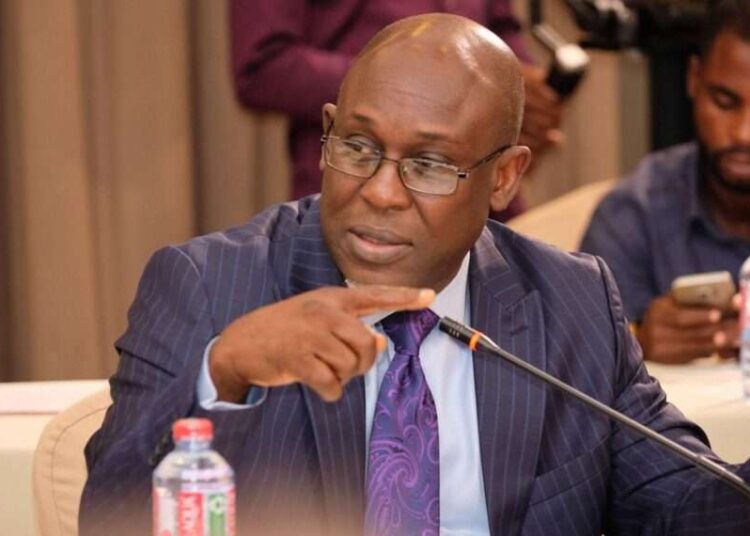
The Senior Vice President of Imani Africa, Kofi Bentil, has called for a more determined effort to establish how Ghana suffered losses through the AKSA power deal and whether some of the money can be recovered. Mr Bentil argued that Ghanaian authorities possess information that could help identify people connected to the transaction and urged them to pursue the matter with greater urgency.
Mr Bentil traced the issue to earlier campaigns by civil society groups that challenged alleged mismanagement in the power sector during the period of prolonged power shortages in 2015. He recalled that activists repeatedly raised questions about the use of public funds and the management of the electricity crisis before organising the Dumsor Must Stop campaign.
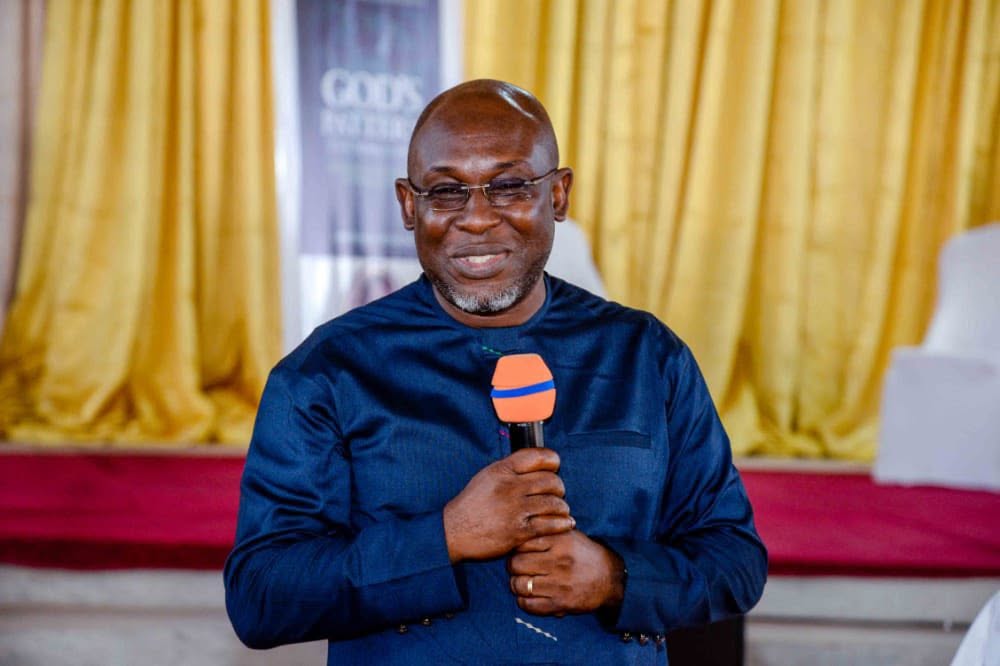
The Senior Vice President explained that the campaign reflected wider frustration over decisions that appeared to benefit individuals while ordinary Ghanaians bore the cost of unreliable electricity. He linked that period to the broader public demand for accountability that contributed to political change.
“We were screaming ourselves hoarse because we saw people benefiting from our chaos, and nobody cared. Ghana suffered this loss and every Ghanaian suffered part of it.”
Kofi Bentil
According to Mr Bentil, the AKSA arrangement represents a major financial setback for the country, with his assessment placing the loss at about $500 million. He pointed to the cost of the power plants, the terms under which Ghana paid for them and the extent to which the facilities were actually utilised as issues requiring closer examination.
Referencing information available during the period, the Imani Africa Senior Vice President argued that the circumstances surrounding the sourcing and pricing of the plants could have prompted earlier investigations into whether Ghana received value for the money spent. He linked these unanswered questions to the subsequent involvement of foreign authorities, who eventually pursued alleged wrongdoing connected to the transaction.
The role of the United States, he explained, became particularly significant in bringing the alleged misconduct to light. Mr Bentil noted that the United States Foreign Corrupt Practices Act provided the legal basis for pursuing a conviction involving Asante Berko, creating an important development in a matter that Ghanaian authorities were aware of.
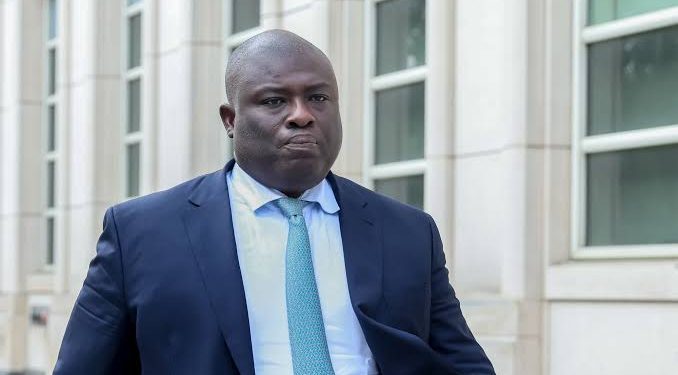
He also disclosed that the previous NPP administration worked with US authorities during the process and subsequently passed relevant information to Ghana’s Attorney-General and the Office of the Special Prosecutor. In his view, that history means Ghanaian institutions should possess useful information for pursuing accountability locally.
Ghana Can Still Pursue Refunds Despite Legal Challenges
The possibility of recovering funds remains an important part of the discussion, although Mr Bentil acknowledged that Ghana’s subsequent conduct could complicate some legal options. He explained that the country entered the agreement through authorised officials, used the facilities and later renegotiated aspects of the arrangement.
From his legal perspective, these actions could weaken certain arguments that might otherwise have been available to the state. He referred to the principles of laches and acquiescence, which can affect legal claims where a party has accepted or delayed challenging an arrangement.
However, Mr Bentil argued that the circumstances should not prevent Ghana from examining whether fraud occurred in the original transaction. He emphasised that evidence of wrongdoing could provide grounds for pursuing possible refunds despite the difficulties created by the country’s previous actions.
The Senior Vice President also acknowledged that the AKSA agreement has already undergone renegotiation. He indicated that the revised arrangement represented an improvement and that the involvement of individuals with knowledge of the negotiations provided some confidence in the outcome.
Additionally, the development should be distinct from the need to examine the earlier transaction. The country, in his view, still requires answers about how the alleged losses occurred and whether individuals benefited improperly from the arrangement.
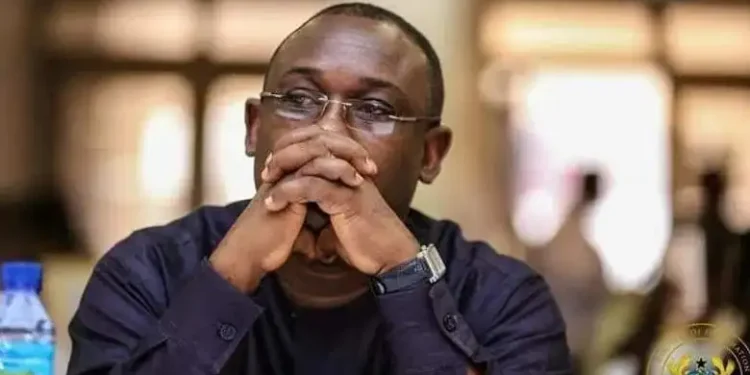
Mr Bentil also urged Ghanaian authorities to make greater use of cooperation with the United States in pursuing the matter. He observed that American authorities had demonstrated considerable determination in investigating and prosecuting cases linked to the transaction.
“The Americans are more passionate to find the culprits and punish them than we, the people who suffered it.”
Kofi Bentil
He therefore called on Ghanaian institutions to match that determination by pursuing available evidence and examining avenues for recovering public funds. Such action, he argued, would help address the financial consequences of a transaction that affected the country during a difficult period in the power sector.
The call also extends to identifying individuals who may have played roles in the alleged wrongdoing. Mr Bentil added that the information already shared with Ghanaian authorities provides a basis for further investigation.
He stressed that accountability should not end with the foreign conviction because Ghana remains the country that bore the financial burden. Any recovery achieved through lawful processes, he noted, could provide some relief from the losses suffered by the state.
READ ALSO: GSE Records 10 Gainers as Market Momentum Strengthens on Final Weekday