Ghana’s energy sector is undergoing a fresh implementation review as the government engages the World Bank to assess progress under the Ghana Energy Sector Recovery Program for Results (PforR), with reliability, financial sustainability and resilience emerging as key measures of the reform effort.
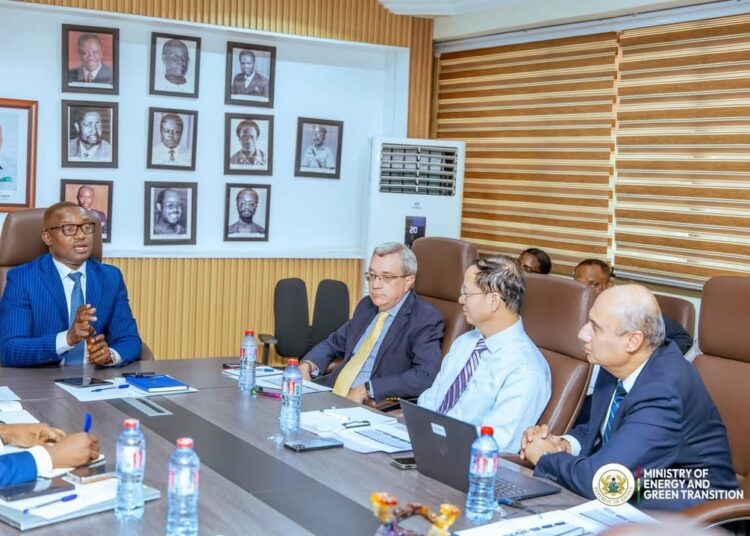
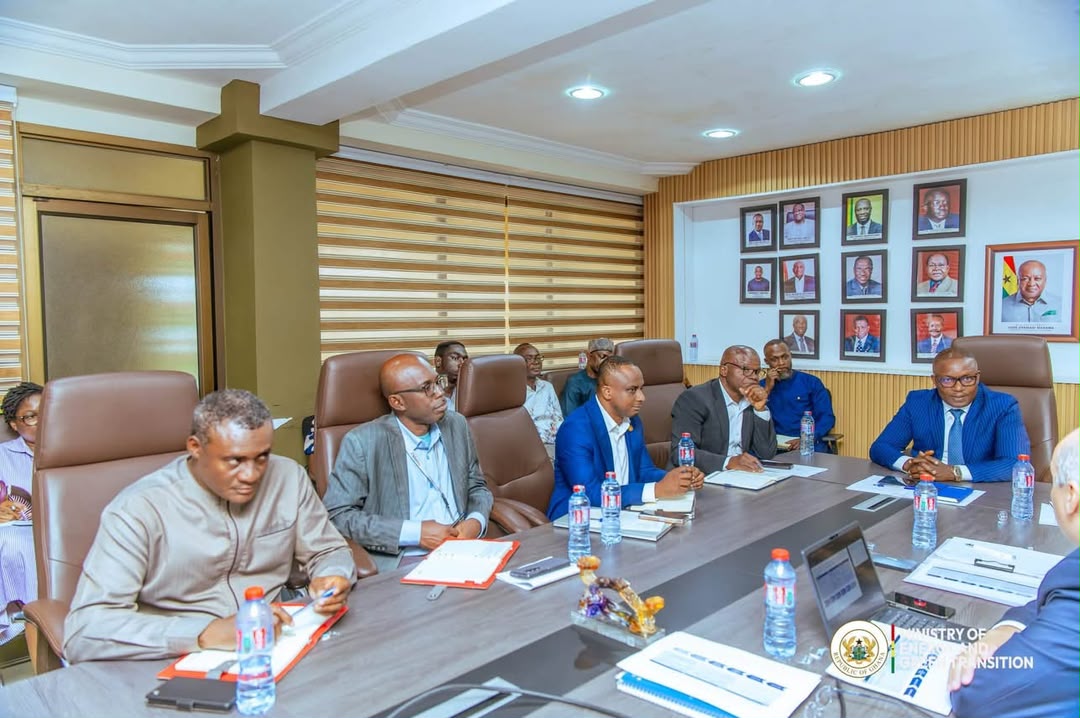
Energy and Green Transition Minister John Abdulai Jinapor said the engagement brings together key stakeholders to examine implementation, identify emerging challenges and determine priorities for the next phase of the programme.
“The mission provides an opportunity to assess progress, review implementation priorities, address emerging challenges, and strengthen collaboration among stakeholders.”
John Abdulai Jinapor, Minister for Energy and Green Transition
The discussions are significant because Ghana’s energy-sector challenge extends beyond the availability of electricity.
The financial health of the utilities, the efficiency of sector operations and the ability of the system to withstand disruptions all determine whether electricity can be supplied reliably and sustainably.
Financial Recovery Remains Central
The involvement of the World Bank under a Programme-for-Results framework places emphasis on implementation and measurable outcomes rather than reforms remaining at the policy level.
For Ghana, that distinction matters.
The electricity sector has faced persistent financial pressures, with weaknesses across the power value chain capable of translating into payment difficulties, accumulation of obligations and pressure on government finances.
A financially sustainable energy sector requires more than additional generation capacity.
Electricity must be transmitted and distributed efficiently, revenues must be collected, and sector institutions must be capable of meeting their contractual and operational obligations.
That makes the recovery programme particularly important at a time when government is also seeking to improve the overall efficiency of the electricity market.
The current mission provides an opportunity to examine whether reforms are producing practical improvements and where implementation gaps remain.
Reliability Cannot Be Separated From Finance
Ghana’s reliability challenge is equally tied to the financial structure of the sector.
A power system can have sufficient installed generation capacity and still experience operational constraints if transmission infrastructure is inadequate, distribution networks are constrained or utilities lack the financial capacity to maintain and upgrade their assets.
The Minister’s emphasis on a “more reliable” sector therefore points to a broader systems question.
Investment in generation has to be matched by investment and maintenance across transmission and distribution.
Otherwise, additional electricity production may not translate into a proportionate improvement in supply to consumers.
The same applies to emergency interventions.
Temporary solutions can address immediate shortages, but long-term reliability depends on infrastructure planning, maintenance and institutional capacity.
Resilience Becomes Increasingly Important
The reference to resilience is also noteworthy.
Ghana’s energy system operates within an environment exposed to fuel-price movements, foreign-exchange pressures, infrastructure failures and changes in electricity demand.
Strengthening resilience means reducing the extent to which a disruption in one part of the system can destabilise the wider sector.
That requires diversification, stronger infrastructure and better planning, but also institutions capable of identifying risks before they become costly crises.
The World Bank mission therefore offers an opportunity to look beyond individual projects and examine whether Ghana’s energy-sector reforms are strengthening the system as a whole.
Reform Must Translate Into Results
The most important issue now is implementation.
Ghana has undertaken several energy-sector reform efforts over the years, but the durability of those reforms depends on whether they improve the underlying economics and operational performance of the sector.
Jinapor said the stakeholders involved in the mission share a common objective of advancing reforms that can deliver a stronger energy system.
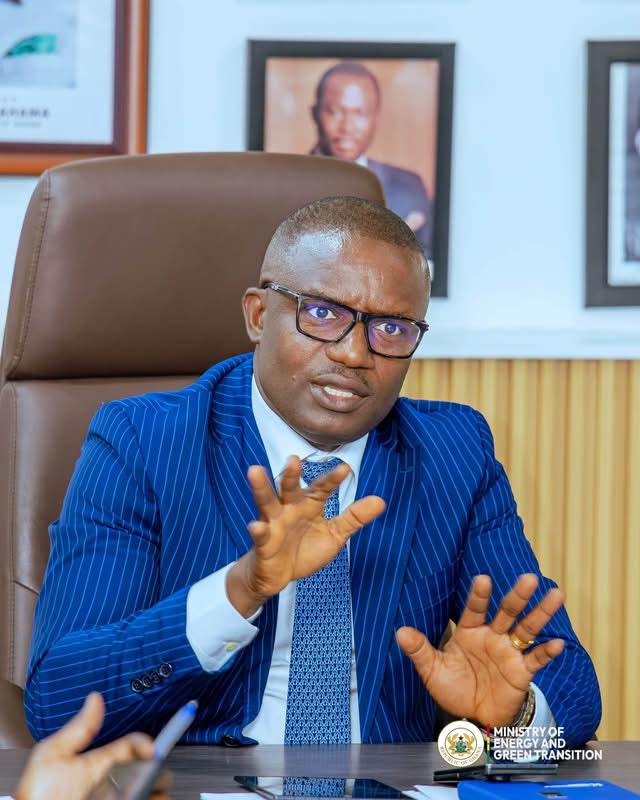
“Our shared objective is to advance reforms that will contribute to a more reliable, financially sustainable, and resilient energy sector for Ghana.”
John Abdulai Jinapor, Minister for Energy and Green Transition
That objective is ambitious but necessary.
Ghana’s energy sector cannot achieve lasting stability through isolated interventions while underlying financial and operational weaknesses remain unresolved.
The real measure of the PforR implementation process will therefore be whether reforms produce visible improvements in the way energy is generated, financed, transmitted, distributed and paid for.
For Ghana, the World Bank mission is more than a progress review.
It is an opportunity to test whether the reforms being pursued are strong enough to move the energy sector from repeated financial and operational pressures towards a system capable of supporting reliable electricity supply and long-term economic growth.