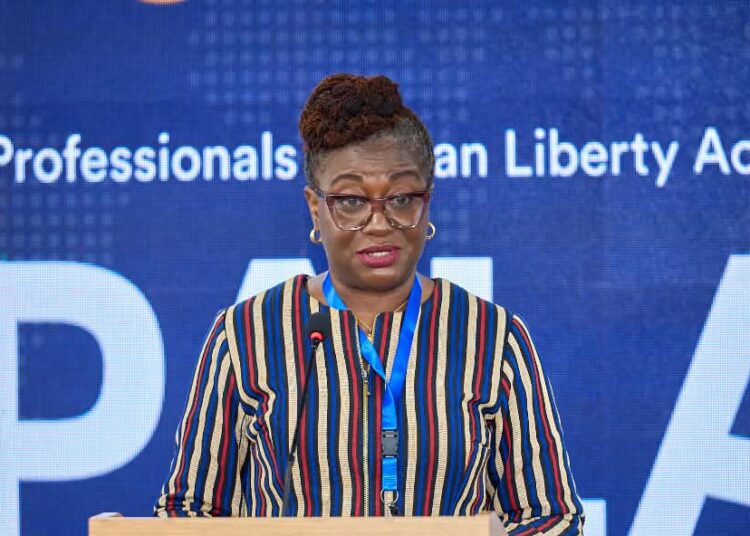
Founder and Executive Director of Mentoring Women Ghana and two-time presidential candidate for the Progressive People’s Party, Bridget Dzogbenuku, has urged young Africans to take up leadership now rather than wait to be recognised as tomorrow’s leaders.
She told telling participants at the Students and Young Professionals African Liberty Academy that Africa’s youthful population will only become an asset if young people are educated, employed, included and trusted with responsibility.
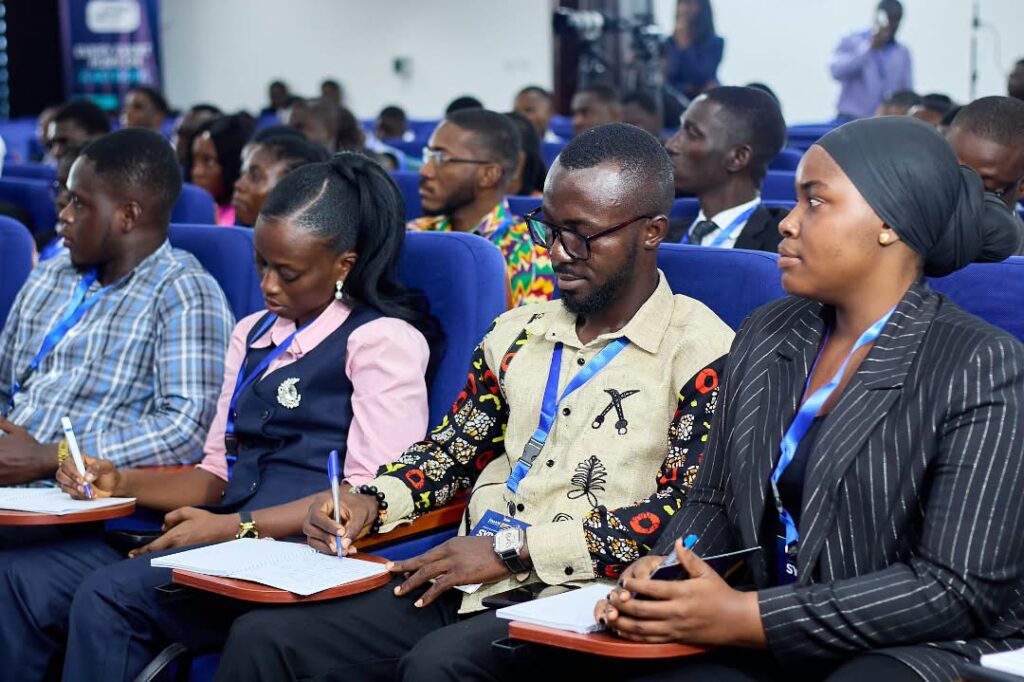
Speaking at SYPALA 2026, organised by the IMANI Centre for Policy and Education in partnership with the University of Professional Studies, Accra, Ms Dzogbenuku challenged the continued grip of older political leadership across the continent and called on emerging leaders to build the qualities she said credible leadership actually requires: purpose, courage, integrity, accountability and a willingness to share power.
“Demography Is Only Potential Until Leadership Gives the Direction”
Ms. Dzogbenuku opened by acknowledging genuine progress in African economies, pointing to fast-growing markets, high GDP growth rates, improving inflation management and stronger revenue collection, alongside regional trade integration through the African Continental Free Trade Area and homegrown technology competing with traditional banks.
But she said that progress sits alongside a demographic reality the continent has not yet turned to its advantage. Youth unemployment in Ghana stands at 36 percent, she said, even as graduates leave secondary and tertiary institutions with qualifications but without the knowledge employers need.
She argued that Africa’s large youth population carries no automatic benefit. “Demography is only potential until leadership gives the direction,” she said. “A youthful population can become a dividend or a danger depending on whether the people are educated, employed, included and trusted with responsibility.”
A Direct Challenge to Ageing Political Leadership
Ms. Dzogbenuku was pointed about who she believes stands in the way. She criticised leaders who trained under colonial-era systems through the 1970s and still hold power well into old age, and invoked Cameroon directly as she urged the room to move past a politics anchored in the grievances of previous generations.
“We should move on from the bitterness and pain of coup d’etat and apartheid that our parents and grandparents went through because we didn’t live it,” she said, recalling her own experience of Ghana’s 1979 revolution at age ten. She argued that a politics fixated on the past can blind a generation to a clearer vision for its own leadership and development.
She rejected the label often applied to young people in rooms like SYPALA’s. “I don’t particularly like to call us future leaders because the future starts from now,” she said. “If we recognise you as future leaders, it means you now have the potential and we must start nurturing that now.”
Leadership as a Journey, Not a Destination
Ms. Dzogbenuku traced her own path from social media writer to demonstrator, party member, vice-presidential candidate and eventually presidential candidate, describing leadership as a gradual process of identifying one’s vision, strengths, values and support system rather than a title conferred overnight.
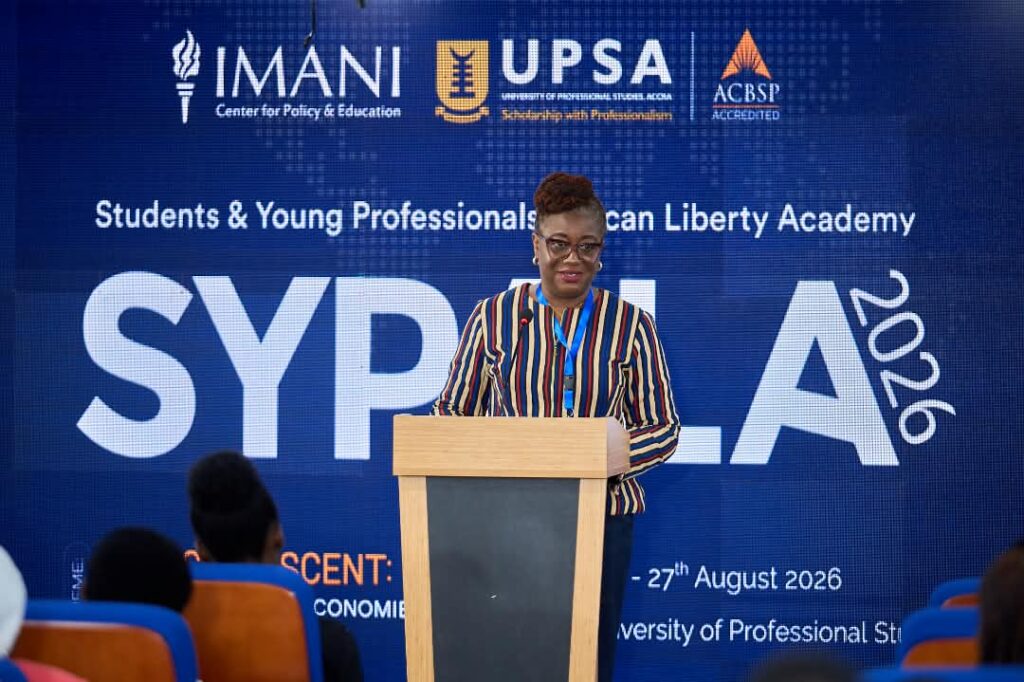
She warned against mistaking charisma or resources for leadership itself, drawing on the biblical account of the loaves and fishes to argue that a following built on scarce means still counts for something, while a following built on wealth without values does not.
She listed the qualities she said sustain credible leadership: purpose, rootedness in community, inclusion across lines of religion, ethnicity, gender and class, courage to act, and humility to invest in others.
She linked that courage to her own experience being publicly insulted after the 2014 OccupyGhana demonstration, telling young people that speaking their minds carries risk they must be prepared to accept. “If you die through speaking your mind, sorry, but that’s the way you were meant to go,” she said. “It’s not the actors’ control over how we go.”
Institutions Are Only as Strong as the People Who Run Them
Dzogbenuku extended her argument from individual character to institutional resilience, saying budgets, laws and policies depend entirely on the integrity, discipline and courage of the people entrusted with power.
“If we want resilient economies, we must also build resilient character,” she said, naming self-responsibility, self-respect, faith, a positive attitude and humility as the values she believes must anchor that character, alongside commitment and discipline to sustain them daily.
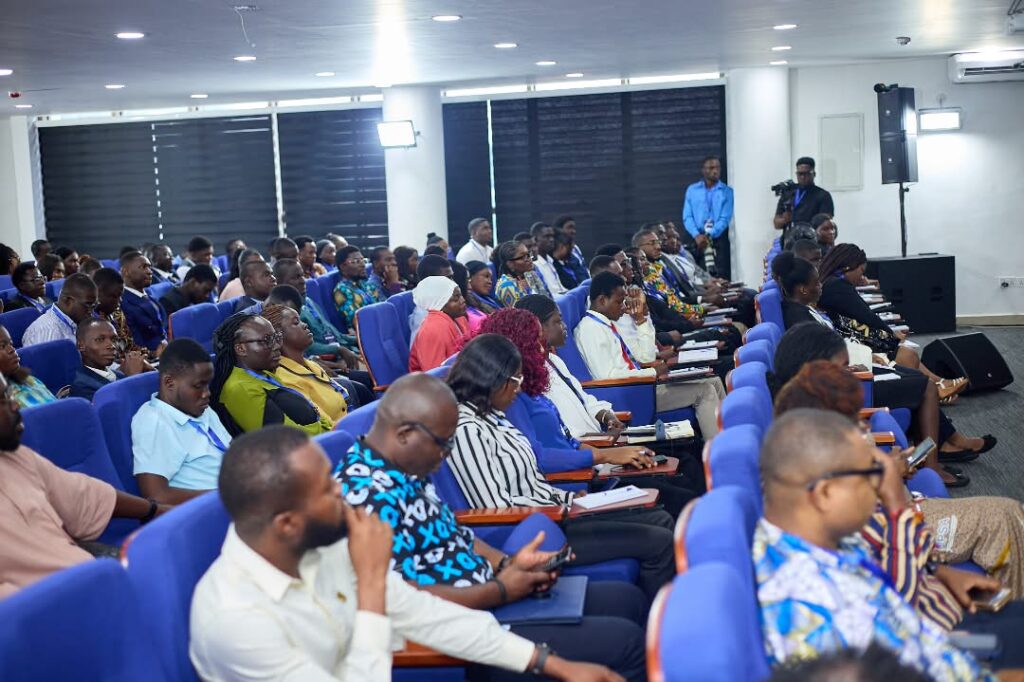
She closed her address to young leaders with a warning about political conformity, describing younger party members who spoke with conviction only to fall silent or shift position once absorbed into their party’s line. “Do not join groups and political parties only to maintain the status quo,” she said. “You must be willing to change something.”
READ ALSO: Ghana Moves To Fix Downstream Petroleum Infrastructure Gaps